




Ballots and building: NAHB CEO shares how the election could affect the industry
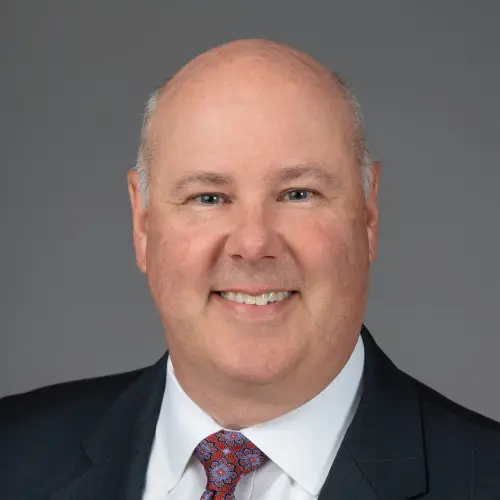
Today on “The Building Code,” Charley and Courtney are sitting down with Jim Tobin, president and CEO at the National Association of Home Builders. With over two decades of experience in government affairs and public policy, Jim has played a pivotal role in shaping NAHB’s advocacy efforts on Capitol Hill, influencing housing legislation, regulatory reforms and policies that impact home builders and the broader construction industry. He continues to lead the organization in advancing the interests of its members and promoting the value of homeownership across the U.S.
Listen to the full episode to get Jim’s insights on how the outcome of the upcoming presidential election could affect the construction industry.
Can you share your perspective on how the election could directly impact not just the overall economy, but specifically the construction industry?
“So, I always say this election year is the most important election since the last one. It does seem like given the importance of our industry and the fluctuations, like you said, whether it’s interest rates or housing policy or business policy. In my career in Washington DC, this is the first time where housing is the centerpiece of the presidential candidate’s economic plans, and not just housing, but housing supply, right? You’ve got former President Trump and Vice President Harris on the campaign trail talking about adding more housing, whether it’s for rent or for ownership, that’s a really important moment for us. So, the candidates do matter, and more importantly, the policies that they’re talking about and how we can influence those policies over the next four years are critical to how this industry continues to build in the future.”
When the election shakes out in a couple weeks, what are you anticipating are going to be some of the ripple effects?
“For a builder, when our economists talk to our members, they’re constantly telling them, ‘You better be ready to go because things are going to turn, and we want to make sure we’re ready to go.’ But in order for us to meet demand, we’ve got to make sure local governments are lowering the burdens of land use regulations and permitting times and permitting fees, so that we can find the land we need to develop and build. We need more labor. We need more labor supply, so we can lower the cost of labor, so we can build houses more affordably. Then demand, I fully expect building materials to see some fluctuations and spikes over the next year or so, just because demand’s going to pick up. So, there’s a lot of optimism. I’m very bullish on the next five to seven years for the industry, but there’s also some headwinds out there that we’re going to have to be aware of for the next little while.”
Links and more
Visit the NAHB website to learn more and get involved.
Learn more about the We Build, We Vote campaign.
Check out the NAHB’s “Housing Developments” podcast on Apple Podcasts, Spotify, Amazon Music or YouTube.
Read “Start with WHY” by Simon Sinek.
Hundreds of construction business owners are seeing an average of 40% net profit increase using this construction budget template created by Breakthrough Academy. Download your free template today.
Related content:
Listen to the last episode to hear from Patrick Henderson, managing partner and founder of PLH Homes, about what goes into making relationships with realtors meaningful and how to manage expectations.
Subscribe here, and never miss an episode.
Got podcast topic suggestions? Reach out to us at podcast@buildertrend.com.
The Better Way, a podcast by Buildertrend:
Looking to add construction tech to your daily processes? On the newest season of “The Better Way, a podcast by Buildertrend,” you’ll get best practices for implementing software and getting your team on board from other industry pros and our experts. Subscribe and stream today wherever you listen to podcasts.
Follow us on social:
Listen to “The Building Code” on YouTube! And be sure to head over to Facebook to join The Building Code Crew fan page for discussions with fellow listeners.
Courtney Mattern (00:05):
Welcome everyone to “The Building Code,” Buildertrend’s flagship podcast. I’m your host, Courtney Mattern.
Charley Burtwistle (00:13):
And I’m Charley Burtwistle.
Courtney Mattern (00:13):
We’re so excited today to be joined by Jim Tobin, the president and CEO at the NAHB, also known as the National Association of Home Builders. Charley, what are we going to talk about today on the podcast?
Charley Burtwistle (00:25):
Well, Courtney, we’re going to talk about a lot of stuff. We have been wanting to get Jim on the podcast for a long time, and this is what they would say in the industry, a big get for us. So, I’m fired up, hopefully you’re fired up, too.
Courtney Mattern (00:38):
Yeah, I feel like this is the moment, this means we’ve made it. We’ve made it in construction podcasting.
Charley Burtwistle (00:45):
Yeah, absolutely. So, the main theme of today’s episode is going to be talking about the election cycle and talk about what it means for builders, what sort of policies and changes do they expect to see, how they should stay up-to-date and be informed about those and how those ultimately are going to affect their businesses moving forward.
(01:03):
Jim has been in the industry for a long, long time, and he has builders’ best interests at heart, so I think our listeners will find this really, really educational, informative and hopefully inspiring as well, too.
Courtney Mattern (01:14):
Yeah, and the election is already underway when this episode drops. Early voting starts in a lot of states early, all the way up to election day, but the election cycle and being involved with talking to your representatives, it’s never ending. It never sleeps. So, Jim’s going to probably have some good advice there too on how to stay involved, how to stay connected to make sure that our industry’s voice is heard. So, let’s get Jim in here.
Charley Burtwistle (01:41):
Hey Jim, welcome to “The Building Code.” We are super pumped to have you. How are you doing today?
Jim Tobin (01:46):
I’m doing great. Charley, great to have you. Courtney, great to be with you.
Courtney Mattern (01:48):
Yeah, we’re so glad you’re here.
Charley Burtwistle (01:51):
Yeah.
Jim Tobin (01:51):
Thanks.
Charley Burtwistle (01:51):
Courtney and I were talking. This is as excited as we’ve been for a podcast guest in a long time, so really appreciate it.
Jim Tobin (01:57):
Well, that’s very kind. Hopefully the hype will live up to the actual content, but yeah, I appreciate that. I’m looking forward to it. We’ve been planning this for a while, so it’s great to join you.
Courtney Mattern (02:07):
Yeah, we’re excited to have you on just leading up to the election and getting your expertise on what our industry can expect. But you have a long career. You’ve been involved with the NAHB for 20 years, 20+ years, plus experience with officials in lobbying in DC. So, can you just kick it off by telling us about your career, telling us about your role at the NAHB?
Jim Tobin (02:33):
Sure. Yeah, I’ll start from today and work my way backwards.
Courtney Mattern (02:36):
Yeah.
Jim Tobin (02:36):
So, I’m the CEO of the National Association of Home Builders, and really just about a year and four or five months into the job, but a veteran of NAHB. I’ve been with the association since 1998, so just came over past my 26th anniversary and really grew up on the government affairs side. Was the chief lobbyist for a decade here at NAHB and really did a lot of policy work on taxes, on environmental policy and just lobbying in general.
(03:07):
Then when the opportunity came for the CEO role came open, I put my name in the hat and was able to win the job. So, just a career capstone for me to be able to lead this great association and continue the work that I’ve done here on behalf of the best industry in the country. We’re 16% of U.S. GDP, we are the people that are going to build the housing in America. So, between the CEO role, but my role is in government affairs, that I transitioned to NAHB after leaving Capitol Hill and working for a couple of different members of the House of Representatives. So, I’ve been in policy my whole professional career and be able to do it now at this level and for this industry at this moment is really exciting.
Charley Burtwistle (04:02):
Yeah, that is super exciting and a great intro there. Like Courtney said, the reason we wanted to have you on today is, obviously, we have an election cycle coming up and everyone gets a little antsy around election time, but to the point you just made specifically for home builders when it comes to the economy and the impact of an election cycle, that’s a big one. That’s a big mover.
(04:22):
We’re not just talking about how individuals are going to be affected, which obviously is important, but we’re talking about how an entire country of housing is going to be affected as well, too. I know you guys have an awesome campaign going on right now around We Build, We Vote, so we just wanted to have you on here to talk a little bit more about what to look for, what to talk about, what to be paying attention to ultimately make those decisions.
(04:42):
So, maybe to kick things off, I’d love to hear your perspective a little bit more around how do election cycles kind of directly impact not just the overall economy, but specifically the construction industry with things like interest rates or affordability, labor shortages, some of those things?
Jim Tobin (04:58):
Yeah, so I always say this election year is the most important election since the last one. It does seem like given the importance of our industry and the fluctuations, like you said, whether it’s interest rates or housing policy or business policy and then the business cycle that is affected by all of those things, it really is important for us, and this cycle is perhaps the most important. In my career in Washington DC now, which is coming up on 30 years and my 26 years at NAHB, this is the first time where housing is the centerpiece of the presidential candidate’s economic plans, and not just housing, but housing supply, right?
(05:42):
We’ve talked about housing crises before, housing affordability. People have talked about it, but when you’ve got former President Trump and Vice President Harris on the campaign trail talking about adding more housing, whether it’s for rent or for ownership, that’s a really important moment for us. So the candidates do matter, and more importantly, the policies that they’re talking about now and how we can influence those policies over the next four years are critical to how this industry continues to build in the future.
Courtney Mattern (06:17):
When you look up and down the ballot, is it just the presidential seat that’s going to impact these policies? I know both the House and the Senate, there’s a lot of seats up for grabs, there’s a lot of people running for reelection. How do you advise builders and our construction company owners to evaluate their options up and down the ballot?
Jim Tobin (06:41):
So, everybody is kind of taking their cue from the top of the ticket. So, congressional races across the country, housing is on the lips of everybody who’s running, especially in those swing states where housing shortage is really acute. The high-growth states, Nevada, Arizona, Florida.
(07:02):
So, you’ve got what I would call the down-ballot races, House and Senate races, and then you get into local or even state-level races where the reason why housing is … I’d like to say it’s because all the great policy work that NAHB has done, and that’s part of it, but it’s really because we finally have broken housing in this country, that supply is not met demand. Even though interest rates have kept demand tampered down, we’ve now reached crisis levels where people who want to find a house can’t even find a house, nonetheless pay for it.
(07:37):
So, it really is on the minds of voters, which means that if you’re a smart politician in this country, and we can have a good debate on whether or not we’ve got smart politicians in the country, you’re paying attention to housing, you’re talking about housing solutions. So, for us, it’s great that the presidential candidates want to talk about it, the administration wants to talk about it, but we’re going to need Congress to enact a lot of these proposals or be a partner with The White House as much as we need our local and state governments as well.
(08:04):
So, it’s a whole of government issue at the moment, and if you’re a builder or a developer or a homeowner or a renter out there, you should listen to the candidates and find out if they’ve got proposals that are going to help you find and afford a home in the future.
Charley Burtwistle (08:22):
Yeah, that makes a ton of sense, Jim, and I love where your head’s at right there, specifically around the most important thing people can do right now is just get educated and understand what those policies are, how they’re going to be affected by them, if it’s going to help improve the affordability and the demand that we need to reach those levels that you kind of alluded to.
Jim Tobin (08:40):
That’s right.
Charley Burtwistle (08:40):
So, I’m curious, what do you advise … if I’m a listener listening to this right now that owns a construction business, what’s the best way to get up to speed real quick and understand what these different policies are and how they’re going to affect me?
Jim Tobin (08:52):
Yeah, first for us, go to the campaign websites of your local state or federal or national lawmakers, see what they’ve got in writing. That’s the easiest place to do it. You can hunt around on the web and watch videos of them, but when they’re on the campaign stump, they talk at high levels, but every campaign employees policy people, they’re the ones writing the pages, so that’s where you get educated really quickly on what they stand for.
(09:22):
NAHB.org is a resource. We’ve got a whole election 2024 campaign page where you can go and see our take on those proposals and where we’ve separated them out, and we’re a great resource for that as well. Then, obviously, other housing providers. I mean, there’s a lot of information out there when it comes to housing policy, but that’s what I would say, start with the campaigns and then start cutting through their campaign rhetoric and really drill down on what it means for your customers and you as a business person.
Courtney Mattern (09:58):
The election, it’s technically already underway, ’cause early voting starts at different times in all the states, so people are casting their votes, they’re dropping off their ballots at boxes. Let’s dive into some of the areas that might be of concern for the residential housing industry. Things like, for instance, affordability of housing.
Jim Tobin (10:18):
Right.
Courtney Mattern (10:18):
When the election shakes out in a couple weeks, what are we anticipating are going to be some of the ripple effects? What are we looking for post-election?
Jim Tobin (10:28):
Sure. So, when I think about the next administration, some of the proposals that former President Trump or Vice President Harris have, they’re going to take congressional action, so that’s going to take time to flush those proposals out, move them through Congress. That’s where we come in, that’s where our lobbying team come in to translate those ideas into policies into law. Okay, but that’s going to take a while.
(10:54):
But in the meantime, I’m looking for somebody who’s going to continue to set the economy on the right footing by lowering regulations and making sure that the inflationary pressures we’ve seen over the last two years continue to subside, which then also helps the job market, right? Want to make sure the job market comes back strong. We have a labor issue in the home building industry, so making sure that we’ve got the right conditions to bring more labor into the marketplace.
(11:24):
That will then translate to the Federal Reserve continuing its easing policies and cutting interest rates, which then will, again, translate into the markets feeling more comfortable and mortgage rates beginning to fall, and then we’ll start seeing that churn in the housing market where the existing housing stock comes back into play. We get more buyers into the marketplace and then we get going, right? Then the market really gets cooking, and then we get ready for that growth period we have over the next five or seven years and we can start building the one and a half million single-family and multifamily units that this industry can do over the next decade or so.
(12:05):
So, that’s the way I look at it. I travel all across the country, talk to builders, and what I hear is that there really is a constriction in the marketplace right now. Even though interest rates are starting to fall, there’s a real concern about who the next president’s going to be, and they want to get this election over with to find out who is going to be at the helm of the economy for the next four years.
Courtney Mattern (12:32):
Well, to your point, it sounds like it’s going to be a long-term fix, right? It’s not like the election ends the next day, suddenly all these policies are in play and the labor shortage is fixed. It’s a long play and …
Jim Tobin (12:47):
Right.
Courtney Mattern (12:49):
… from your conversations with builders, are they taking pause? Are they continuing to march forward? If they wait for the election, if they wait to see who’s going to be the president, what are they risking in growing their business or should they be waiting to see?
Jim Tobin (13:06):
Yeah, I think it’s more buyers are waiting for the election, and builders, obviously, responding to market demand. So, that’s why I think there’s this kind of little trough right here at the moment because demand is right under the surface, right? Interest rates have done what they were supposed to do. High interest rates have tamped down demand, but demand is still there.
(13:26):
The millennials are in their prime home building, buying ages, and they are ready to go, they just need a signal that rates are going to make housing more affordable. For a builder, when our economists talk to our members, we’re constantly telling you, “You better be ready to go because things are going to turn, and we want to make sure we’re ready to go.” But in order for us to meet demand, we’ve got to make sure local governments are lowering the burdens of land use regulations and permitting times and permitting fees, so that we can find the land we need to develop and build.
(14:03):
We need more labor. We need more labor supply, so we can lower the cost of labor, so we can build houses more affordably. Then demand, I fully expect building materials to see some fluctuations and spikes over the next year or so, just because demand’s going to pick up, and they’ve been kind of sitting on production waiting for that signal as well that home building is going to come back full throttle. So, there’s a lot of optimism. I’m very bullish on the next five to seven years for the industry, but there’s also some headwinds out there that we’re going to have to be aware of that could be a check on building for the next little while.
Charley Burtwistle (14:44):
Yeah, I love listening to you talk, Jim. 10 minutes into this interview, exceeding the hype so far.
Jim Tobin (14:51):
Oh, you’re very kind. Good, good.
Charley Burtwistle (14:53):
… quick halftime check in there. But what I’m curious, obviously you worked as the chief lobbyist for a long time, so I’m curious as you’re talking through some of these things around just some of examples that you’ve seen in cycles passed. Whereas after the election cycle happens and it becomes time to start implementing and lobbying for some of those regulation policy changes, I’m just curious if you have any examples that may resonate with some of the builders listening to this in the past of, okay, this happened and because of that, this happened to kind of connect the dots of what they can expect this next cycle?
Jim Tobin (15:26):
Yeah, I’ll give you a great example. So, the 2008 election, that’s President Obama wins. 2008, we’re right at the front-end of the Great Recession, things are cratering all around us. President Obama comes in 2009, and he’s going to enact an economic stimulus plan to kind of forestall the worst parts of the Great Recession.
(15:49):
Obviously, we know that we were probably too little too late at that point for the depth and breadth of that recession, but for housing in particular, one of the things that we pushed is we saw the market start to crater for housing was how can we build more homes in order to not only keep our members busy, but also supply people? So, we worked with the administration as well as Congress in that economic stimulus package to pass a first-time home buyer tax credit. I think it was a $7,500 first-time home buyer tax credit.
(16:23):
It did a great job of stimulating buyers that were already going to buy a home. Maybe they were going to buy them at the end of the year, and it just pushed them into the middle year, or they just pushed them sooner in the economic cycle. It didn’t have its intended effect, which is to bring new buyers into the marketplace. New buyers were still way too skittish about foreclosures that were rampant at the time, they didn’t feel comfortable at the economy, but the people that did have money, did have plans to buy, they got a $7,500 tax credit, and again, just moved them earlier in their cycle, but no new buyers. There’s a lesson to be learned there that even the best intention policies don’t have unintended consequences.
(17:06):
So, we’re coming out of this recession. If someone came to me on Capital Hill and said, “Hey, remember that first-time home buyer tax credit? We’d love to jump start the market with that.” I would say, “Not the right policy, let’s think of something different this time around.” So, again, so to connect your dot there, elections have consequences. We were able to lobby wholeheartedly for the industry to move a pretty … that’s a pretty big policy piece, but not quite the right prescription for the crisis that moment. As you know, in 2009, 2008, we did not forestall a very deep and very painful recession. So, that’s one of my big lessons over my career is it’s important to learn from your mistakes as it is from your victories.
Courtney Mattern (17:54):
I’m really interested to hear about a day in the life of lobbying our representatives for the construction industry. I think there are some perceptions of what lobbying is like but pull back the veil. Tell us what does that look like? How do those conversations start?
Jim Tobin (18:11):
Yeah, so the perception is we all walk around with giant bags of cash, and we have little horns and a fork tail, right?
Courtney Mattern (18:12):
Cha-ching.
Jim Tobin (18:20):
Lobbying’s a dirty word, but what I’d love your listeners and viewers to know as a recovering lobbyist. I’m going to go as basic as the U.S. Constitution, you are allowed under the U.S. Constitution to petition your government. I am this industry’s petitioner, right? You all can’t be in the halls of Congress or in The White House in the West Wing asking the government to do things for you, that’s what your lobbyists and your trade association does for you. We are your protected constitutional right to petition your government, and so that’s what we do. There is a lobbyist for an association for everything in the world. You look at all the association lobbyists, you’ve got to curl your toes of, I can’t believe we’d lobby for that.
(19:15):
So, a day in the life, a lot of it is I’ll wake up, and I’ll read the Hill rags as we call them, Roll Call, The Hill, Politico, kind of get the flavor of what’s going on during the day, and then you’re up meeting with lawmakers. The beautiful thing about lobbying for the home builders is that we touch so many different areas and committees.
(19:38):
Tax policy, housing policy, environmental policy, military policy, so we’re in almost every congressional office, and we’re in every committee office up there. In any one given two-year congressional cycle, we’ll be tracking over 100 separate issues that impact the industry. Now, some are in different phases of either likelihood or heat, front of the stove, back of the stove, but we are constantly tracking things to either stop them or to move them forward.
(20:15):
I tell people all the time, the FBI rarely tells you about the evil plots that they stop, but there are a lot of things that we’re protected from we don’t know about. We do a lot of that. I’ve never met a member of Congress who was anti-housing, but there are some really bad ideas out there, and our job is to make sure that we politely remind them why that’s a really bad idea and flex our muscles.
(20:44):
I mean, there are home builders in every congressional district. We’re a huge constituency, politically we are very important. We’re a huge economic driver, so we carry a lot of weight. By we, I mean our listeners. I mean, the people of this industry carry a lot of weight, and I’m just one part of that to make sure the government is working for it.
Courtney Mattern (21:07):
That really resonates with even the work we do here at Buildertrend. We were just talking today in a team marketing meeting. To your point, the industry accounts for, was it 16% of the GDP? The foundation of America, our business owners are customers that we work with are building our homes across America. It’s what makes our communities interesting, it’s the houses we live in, and whatever we can do to make them better is better for the country, too.
Jim Tobin (21:35):
Yeah, so I always say that homeownership is the gateway to the middle class in the United States. It’s not your 401(k), it’s not your pension, it’s your ability to purchase a home and grow with it, build equity, buy a bigger home if your family is growing, provide retirements. My parents are in their late 70s and early 80s, their home is their retirement security.
(22:04):
You can take care of your parents by virtue of the equity you build up in your home as they age, you can put your children through college or trade school by virtue of the equity you build up in your house. It truly is the gateway to the middle class, and we need to protect that, and that’s what we do at the National Association. As you said, the members and builders out there everywhere, it’s true, we build the American dream, but it is more than that. It’s economic and not social security, but social security for Americans.
Charley Burtwistle (22:41):
Yeah, that’s very, very well said. I do have to give a quick aside. The biggest fan of this podcast in the entire world is my mom and her and her husband are both lobbyists in the state of Kansas.
Jim Tobin (22:55):
Sweet.
Charley Burtwistle (22:55):
So, I’m sure they’re listening right now, so I just had to give a quick shout to them. I’m sure they’re smiling ear to ear.
Jim Tobin (23:01):
No doubt your mom is wonderful. She does not have a fork tail …
Charley Burtwistle (23:03):
Exactly.
Jim Tobin (23:04):
… and horns and walking around with bags of money, right?
Charley Burtwistle (23:06):
Yeah, no. I’m sure they appreciated shining some light on that.
Jim Tobin (23:11):
Yeah, yeah.
Charley Burtwistle (23:12):
But what you spoke to at the end there, NAHB, specifically, is so uniquely and well-positioned to be that voice for the construction of the building industry, because you are the largest network of builders in the country there.
Jim Tobin (23:26):
Right.
Charley Burtwistle (23:26):
So, I’m curious on how do you leverage that vast wealth of knowledge and community and input you have from this large network of people that are actually boots on the ground building the houses and shaping the future? How do you not get overwhelmed, but actually leverage the input you’re hearing from your members to ultimately go and lobby and campaign for them for what’s going to be best for them?
Jim Tobin (23:53):
Yeah, so I mean, just by the virtue of the policies that our members set for us, or by virtue of how our members direct our political giving to make sure that we are electing pro-housing candidates to Congress, all the way down to we will help them lobby at the local level to make sure that the regulatory environment, the local level, is conducive to building more housing, and that’s really the way we do that.
(24:21):
So, it’s listening to our members. I travel all over the country. At every stop I hear nuances, but I will say this, to the builders across the country, you’re not alone. California may seem like the end of the world, and oh my God, it’s a tough place to build, but I promise you, in what I would consider the free state of Texas and low regulatory environment, a lot of building, they have the same issues as California or Kansas or Connecticut. It may be degrees, but they’re still the same frustrations and the nuances of that it’s hard to build a house affordably right now.
(25:00):
That’s why I’m so gratified that we’re talking about supply all across the electoral spectrum and how we can translate that into policy, but it really is members need to get educated, they to vote, they need to make sure that their spouses vote, that their workers vote, that they participate in the political process, flex our muscles. Like I said, 16% of U.S. GDP, but in this next month we need to flex our political muscles, ’cause that translates into policy power, which translates into doing well for our members. Ultimately, remember, the ultimate goal here is to provide people with housing opportunity, whether it’s rental or ownership, and we do that.
Courtney Mattern (25:49):
You just had the NAHB fall council leadership meeting down in San Antonio a couple weeks ago. We had a member of our team, Carly Ward went and checked that out. What was the rallying cry for members if it’s just a week or so ago, so just a month heading into the election, and maybe it can be a rallying cry as well for our listeners?
Jim Tobin (26:13):
Yeah, so we rolled out our campaign slogan here in the closing weeks, but two of them, one, Let Builders Build. That’s number one, and two, We Build, We Vote. It’s really important in this moment to make sure that the men and women of the industry who will build a housing in this country, that they are heard politically, and that is the most important thing, and remind policy makers that they need to be looking to the National Association, they need to be looking to their builders for the solutions to the housing crisis in the country.
(26:50):
So, we wanted to send a powerful message to our members to make sure, again, the political muscle is really important in all levels of government, and we’ve got a great story to tell. Again, we provide people with a basic necessity of life and that is shelter, and along the way of just doing that, we are providing people with economic security, and that needs to be said.
(27:18):
We need to make sure that we are building more housing for more people so that they can find a home, that kids can leave school or trade school, and they can find a home in their communities. Elderly, aging folks, they can move closer to the grandparents, nurses, teachers, policemen, firefighters, our retail workers, they can live in the communities they want to live in, rather than being forced to move out to cheaper housing. We need to build more housing in this country. We’ll lower prices, and we’ll make housing opportunity available to everybody.
Courtney Mattern (27:52):
Yeah, when we hear from our builders, they’re ready to go, they’re …
Jim Tobin (27:56):
Ready to go.
Courtney Mattern (27:56):
… ready to build.
Jim Tobin (27:56):
Yeah, that’s right. Build, baby, build.
Courtney Mattern (27:59):
Jim, before we close out the episode, Charley, this is me bringing the fun to the podcast. I’ve been behind the scenes on the podcast for a long time, my team, and now I’ve stepped into this seat, so I keep trying to bring games to the table, but all of our guests always have such interesting points of view and so much knowledge, I think we need to start a Building Code book club. Do you have a recommendation for either the best book you’ve read so far or a good intro to housing policy book?
Jim Tobin (28:35):
Oh, wow, intro to housing policy.
Courtney Mattern (28:37):
I mean, maybe if that’s not the best book you read so far, and it was actually some sort of thriller, you can drop that one, too.
Jim Tobin (28:44):
Yeah, no, let’s see. I’m trying to think. So, as I moved into this role, I tend to read more kind of strategy and management books. I’ll tell you the one I’m in the middle of now or starting to read now. The book I’m reading now is about the why, right? It’s really about if you’re going to present something, it’s Start With the Why …
Courtney Mattern (28:44):
Is it Simon Sinek …
Jim Tobin (28:44):
I think that’s exactly what it is.
Courtney Mattern (29:05):
… Start with Why? I have this one sitting on my desk right now.
Jim Tobin (29:12):
Yeah, so one of our builders handed it to me, and I’ve actually started to read it and realized that as I’ve been a new CEO, there’s so many things that I want to do. Yes, you can do them by force of will, yes, you can do them because you can convince people that it’s probably the right thing to do but taking a moment to help everyone understand the why I think is really important.
(29:36):
So, that’s the book I’m starting now, and it’s really resonated with me. Just in my first almost year and a half here, there’ve been a couple instances where I didn’t start with the why, and it made it a much more difficult process. So, yeah, that’s the one I’m working on now.
Courtney Mattern (29:53):
Wow. Yeah, I think that one probably connects well to lobbying, too. When you’re trying to achieve some common goal, you got to start with why it makes sense to push for it, why it’s your end goal.
Jim Tobin (30:08):
Right.
Courtney Mattern (30:08):
So, whether that’s management or lobbying the government. But yeah, thank you for sharing. We’re going to start a book club. Charley, were there anymore …
Charley Burtwistle (30:23):
Jim, I think we’re wrapping up here. Thank you so much for your time today. Before we sign off, obviously, I love the rallying cries and a huge shout-out to your marketing team who came up with this.
Jim Tobin (30:23):
Thank you.
Charley Burtwistle (30:35):
They landed great. We Build, We Vote, get out and vote, get informed, obviously the important kind of calls to action there. Just curious if you had anything to leave us off with as we wrap this up on just the best ways for our listeners to get involved with NAHB’s advocacy efforts to stay informed as the industry continues evolve?
Jim Tobin (30:56):
Yeah, thanks. I really think the NAHB.org website is just a great source of information for a variety of things. If you’re listening, and you’re not a member of your local home builders association, I encourage you to check it out. They are your representatives at the local level, and by virtue of joining your local association, you get memberships at the state association as well as the national association.
(31:22):
Every person in every industry has a responsibility to advocate for their industry and their livelihood, and if you’re not doing that, then you’re missing out on an opportunity to not only take care of your own personal financial future and business, but in our case, as home builders, you are taking care of homeowners and renters for the future.
(31:46):
The mission of NAHB is to provide housing opportunities for all and provide professional excellence for its members, and that’s what we do. We have to wear two hats. I get to take care of you and help you become a better businessman or businesswoman, and in turn in doing that, you provide the American dream of homeownership or a safe, decent, affordable rental home for people. That’s what drives me every day and I encourage any of the professionals out there to think about joining the team.
Charley Burtwistle (32:21):
Just a fantastic note to end on, Jim. Thank you so much for your time today. I learned a ton, I’m sure our listeners learned a ton, too. We Build, We Vote, let’s go get it.
Jim Tobin (32:32):
You got it. Thanks everybody. Thanks Charley, thanks Courtney.
Charley Burtwistle (32:35):
Well, Courtney, we just had Jim from NAHB on “The Building Code.” What do you say, did it live up to the hype?
Courtney Mattern (32:41):
I feel like it exceeded all expectations.
Charley Burtwistle (32:45):
How many notes did you write down? ‘Cause I wrote down a whole page.
Courtney Mattern (32:47):
I’ve just got two pages front and back of notes.
Charley Burtwistle (32:51):
Okay.
Courtney Mattern (32:51):
I can’t wait to get … my content team’s probably sitting in that booth like, “Oh, great. She’s going to assign some blogs, she’s going to assign some follow-up.” I feel like we could do a whole data report on how businesses can prepare for the election cycle. I think Tim, or Jim, excuse me, brought up a lot of good points about staying on top of these things year-round. The issues aren’t solved with one election, but it can really inform smaller issues that we’re going to have to deal with in the months to come.
Charley Burtwistle (33:22):
Yeah, absolutely. Ultimately, I was motivated and inspired by what he talked about because when we talk about the national economy and a lot of these different things, that the biggest leg that we have to stand on is the construction industry and home building specifically through this interview that we talked about.
(33:42):
That’s kind of a cool responsibility to have for anybody in the space here, and such an important time of year. As he kind of alluded to, the next couple months are going to dictate the next five, six, seven years for not just our industry that we’re working in, but our nation and our economy as a whole. So, I’m fired up. I’m going to come back from this vacation in Florida and be ready to go to work in Buildertrend, and hopefully our listeners are fired up as well.
Courtney Mattern (34:08):
Yeah, you’re going to get all of our listeners jealous that you’re down in Florida instead of here at HQ and where I had to be in the studio all by myself today. So, I might …
Charley Burtwistle (34:08):
Yeah, I don’t even think we referenced that in the intro, so hopefully people made it long enough in the episode here …
Courtney Mattern (34:23):
Yeah, they had to stick around all the way to the end to find out where you were. I was telling Emori who runs our social media account, I was like, “Let’s post a poll on Instagram of who’s your favorite host in “The Building Code” studio today?” ‘Cause then it could only be me.
Charley Burtwistle (34:40):
Okay, I see where you’re coming from. Well, Courtney, fantastic interview. Thank you again, Jim, if you’re listening to this for coming on. I think that’ll about do it for us here at “The Building Code.” As always, please, please, please, I don’t think I’ve ever used that many pleases before, like, review and subscribe and obviously join us on The Building Code Crew on Facebook. But other than that, until next time, I’m Charley Burtwistle.
Courtney Mattern (35:06):
And I’m Courtney Mattern.
Charley Burtwistle (35:06):
Peace.
Jim Tobin | National Association of Home Builders
Places You Can find us




We think you’d also like this
Adapting to change: How the residential construction economy is shifting
Our in-house economic expert Mathieu Dubeau, Ph.D., a staff applied scientist here at Buildertrend, is sharing updates builders need to know as we head toward the end of 2024.

podcast
Feb 1, 2024Prioritizing profitability: How to achieve your financial goals in 2024
Listen to the full episode to hear more about easy-to-implement methods for increasing profits and remaining profitable, no matter the economic environment.

Profitability strategies for 2024
We’re getting back to basics with actionable strategies for profitability – and tips directly from top builders on the importance of financial management.