




From concept to closing: Seeing the value of relationships with realtors
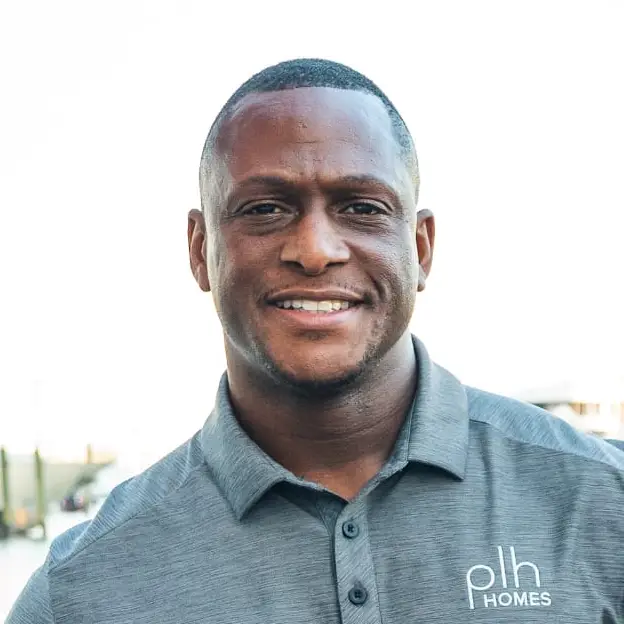
On this episode of “The Building Code,” Charley and Courtney are joined by Patrick Henderson, managing partner and founder of PLH Homes. Patrick is a serial entrepreneur astute businessman, mentor and determined leader in the real estate, property development and luxury home building sectors. His goal is to leave a legacy on the community that will advance the culture for future generations to come.
Tune in to the full episode to hear more about what goes into making relationships with realtors meaningful and how to manage expectations.
What does the relationship with your realtor look like and how are they involved with your processes as a builder?
“So, I would acquire a lot, or I’d see something that I want to purchase, then at that point, I engage my realtor to go ahead and start working on the negotiations with the current seller. We work hand in hand with the architect, so we can put together the design that we want to put for this particular neighborhood. 99.8% of the time we have a buyer before we are completed. And so, then my realtor is working on the relationship between us and the buyer to make sure they’re getting any upgrades or modifications they’re seeking. And then they also work with the closing attorney to make sure things are in order to get the house to the closing table. So, my realtor generally is part of the transaction from the very beginning to the end.”
Why is creating that meaningful relationship with your realtor so important as a builder?
“It’s key because every neighborhood has its own set of demographics and its own set of income requirement. Understanding who that buyer is very key to determining how fast you’re going to be able to sell a product. We make sure we sell quickly is because we do all the things on the front side in order to make it happen. When we get ready to bring a project to market, we’re not just waiting for the house to be completed or we’re just not waiting for a buyer to miraculously appear, we’re doing all the things that are necessary to make sure that the buyer has had multiple impressions. And so, having that realtor relationship, it allows us to make sure that we invest in all the proper tools to make sure that when we get ready to sell, everything is done.”
Links and more
Check out the PLH Homes website to learn more about their one-day real estate land development bootcamp, development masterclass and the PLH Summit.
Visit his website to learn more about Patrick and the services he offers.
Order Patrick’s book, “The Serial Entrepreneur: 7 Highly Effective Steps to Becoming a Successful Entrepreneur and Achieve Wealth in Real Estate” on Amazon.
Follow Patrick on Instagram @patricklhenderson.
Hundreds of construction business owners are seeing an average of 40% net profit increase using this construction budget template created by Breakthrough Academy. Download your free template today.
Related content:
Listen to the last episode to hear from Estie Briggs, emotional intelligence coach and consultant at Briggs Performance Consulting, and get tips for how to skillfully regulate emotions within your construction team to ensure a positive work environment.
Subscribe here, and never miss an episode.
Got podcast topic suggestions? Reach out to us at podcast@buildertrend.com.
The Better Way, a podcast by Buildertrend:
Looking to add construction tech to your daily processes? On the newest season of “The Better Way, a podcast by Buildertrend,” you’ll get best practices for implementing software and getting your team on board from other industry pros and our experts. Subscribe and stream today wherever you listen to podcasts.
Follow us on social:
Listen to “The Building Code” on YouTube! And be sure to head over to Facebook to join The Building Code Crew fan page for discussions with fellow listeners.
Charley Burtwistle (00:05):
What is up everybody? Welcome back to another episode of “The Building Code.” I’m your co-host Charley Burtwistle.
Courtney Mattern (00:11):
And I’m Courtney Mattern.
Charley Burtwistle (00:12):
Courtney, how are we doing today?
Courtney Mattern (00:13):
Can we talk about how early it is in the morning?
Charley Burtwistle (00:17):
Courtney, it is 9:06 a.m. I would describe that as mid-morning. Relatively early, I suppose.
Courtney Mattern (00:25):
It’s so early. Are you a morning person? Because I’m not.
Charley Burtwistle (00:27):
I am a morning person. Yes, unfortunately.
Courtney Mattern (00:29):
Oh, man. I’m on a mission to change the perspective of night owls like me, but I know a lot of our builders, they’re probably going to listen to this and they’re going to laugh because they’re going to be like, “I’m halfway through my day. I built half the house by 9:00 a.m.” But thanks to, got a shout-out to our producer, she did bring me some coffee this morning. Thank you, Chelsea.
Charley Burtwistle (00:48):
And we have bagels this morning, too.
Courtney Mattern (00:49):
And bagels.
Charley Burtwistle (00:50):
Yeah, I kind of feel like I’m finally landing in this area of talent where they’re bringing me bagels and stuff like that as well, so I appreciate it.
Courtney Mattern (00:58):
I know, I don’t want to let it get to my head.
Charley Burtwistle (01:00):
It’s already gone to my head.
Courtney Mattern (01:02):
I arrived and Chelsea was like, “Do you need a computer charger?” And I was like, “Well, yes. Yes, I do.”
Charley Burtwistle (01:08):
That is awesome. Well, great way to start the day. We have a fantastic guest today and a fantastic, I did want to note this as well too, the topic for today is how to work with realtors and make the most out of those relationships. I work with a realtor all the time, my wife, and I’ve made the most out of that relationship, I married her. So, I would like to consider myself kind of an expert in this arena.
Courtney Mattern (01:26):
Oh yeah, well, we’ll see what kind of thought leadership you bring to this episode.
Charley Burtwistle (01:29):
Yeah, a hundred percent.
Courtney Mattern (01:30):
Managing conflicts, all of the above.
Charley Burtwistle (01:33):
Yeah. Exactly. So, it should be interesting to hear a builder’s perspective of working with realtors as opposed to a husband’s perspective, but we’ll get into it. Who do we have to talk about it today, Courtney?
Courtney Mattern (01:42):
We have Patrick Hendersonfrom PLH Homes. I love Patrick because he’s just a relationship guy in general. I met him about a year ago when he was getting started with Buildertrend. He’s introduced me to other builders. He does this summit where he brings together builders and does information sharing. But he’s in the luxury real estate market. He’s in the Atlanta area. My team just went out and visited him and got some video footage, so watch for that on social media. But we wanted to talk about what goes into building a strong relationship with your realtor and what can that do to future-proof your business, make your business more resilient and kind of take a load off the builder who wants to build an amazing home.
Charley Burtwistle (02:21):
Yeah. And ultimately make the relationship and the experience for the client better as well because you have a dedicated source or dedicated point person to kind of walk you along through the entire process as well.
Courtney Mattern (02:30):
Absolutely.
Charley Burtwistle (02:31):
Is what I think. But we’re not the experts, Patrick is. So, let’s get him in here. Hey, Patrick, welcome to “The building code.” Really appreciate you making the time to join us today. How’s it going?
Patrick Henderson (02:41):
It’s going great, man. Absolutely. Thanks for inviting me.
Charley Burtwistle (02:44):
Yeah, we’re excited to talk. I think you know Courtney, this is my first time meeting you. Our production team definitely briefed me and gave me your background and everything, but for those of our listeners that do not know you, we always love to start off with just kind of quick background. How’d you get started in construction? Tell us a little about your company today and kind of the evolution from where you were to where you’re now.
Patrick Henderson (03:04):
Sure. So, Patrick Henderson. I am a native IT guy. So, I got started in IT, but back in ’04, I jumped into the real estate market just doing your basic fix and flips, what I call it, lipstick renovation, paint, carpet, things of that nature. And it was going really, really well. Time was flowing and then the market crashed. Market crashed in that ’08 time period. And at that point in time, I had to pivot and get back into what my core competency was, which was the IT. Dusted off my wounds back in 2013 and jumped in full steam ahead. But I did it from a different perspective. I started to go to a higher-end market, higher price points because I wanted to make sure that if something happened, again, it was a different buyer pool that I was dealing with. And so that’s how I kind of got into the overall luxury and new construction game.
Charley Burtwistle (04:02):
Awesome. I love hearing backgrounds there and I always love talking to people that have a nice diverse background. We talk to a lot of people that are like, and this is not a bad thing at all, but “My dad had a construction company, he retired, I took on the construction company and this is what I know, this is what I do.” But the construction industry is a very, very wide industry. So, talking about the real estate top market, talking about building the luxury homes and combining those together is going to be really, really interesting, especially for me, who is not as adept on construction trends as Courtney is.
Courtney Mattern (04:35):
Yeah.
Patrick Henderson (04:36):
Well, the cool thing about it is it allowed me to bring some of that technological background into the building industry, and so I try to infuse that into a lot of the things that I do on a day-to-day basis.
Charley Burtwistle (04:47):
So, tell us a little bit about, is it PLH Homes?
Patrick Henderson (04:50):
Yes. PLH Homes.
Charley Burtwistle (04:51):
Yeah. So, what does the company look like today? How many employees do you have? How many homes are you building a year?
Patrick Henderson (04:57):
Sure. So, we are a luxury modern home development firm. We do not just from a building standpoint, but we do also infrastructure. So, we go from soup to nuts really, from infrastructure to site development all the way through the whole building process and the building timelines. So, we try to make sure that we cover a gambit of things. We have a full-time staff that assists us in kind of making sure that that happens. Buildingtrend has been awesome because the whole back office has really helped us kind of navigate through some of the things that we have going on in terms of making sure that all of our back end things from accounting to the books to customer engagement has been great, utilizing the toolset. But we really have really found a huge market niche where we are really going with that modern home development, and it’s been going good for us.
Courtney Mattern (05:53):
One thing that I think is interesting about your company is, one, your background of making that pivot after 2008. It seems like you have a growth mindset, you know when to make a change when things get challenging. And when I met you about a year ago before the builders’ show, you were just getting started with Buildertrend. You want to talk a little bit about that? Because I think it’s really interesting what you were using before.
Patrick Henderson (06:16):
Sure. So, it is crazy because before, we were just using our homegrown system. So, when you look at the Microsoft Office suite and all the native tools to that and then now integrating a tool set that is specifically for this particular industry, so it has the jargon and nomenclature, it has all the things that are necessary to make sure that we don’t have to heavily customize. Because again, we were working on heavy customizable solutions previously to our clients. Now, some of the stuff that we do on a day-to-day basis, it really integrates well with our clientele. So, I really, really enjoy it.
Courtney Mattern (06:54):
That’s awesome. We don’t usually run into very many builders who are using a proprietary system or something they built completely themselves since they’re still relying on spreadsheets or the age-old yellow notepad. But I think that just shows how innovative you are. And my team, the video team, was just down in Atlanta. They followed your team around. They captured some videos. So, everybody stay tuned for that as it comes out on Instagram and YouTube, our video features. But tell us about some of your current projects. Is there one that you’re really excited about?
Patrick Henderson (07:26):
Man, it’s been a blessing because right now, everything that we have is already under contract. We do some spec builds, but we also build for clients. But all of them are unique in its own way. Generally, we don’t repeat a plan, so every house has its unique features as we are doing the development. So, it’s just enjoying working with the people that we have. Some of our buyers, some of the owners that we are doing work for, nothing necessarily is just over the other. But man, they just all have their own unique fields. We are working on this huge house here in the North Buckhead area, 38,000 square feet.
Courtney Mattern (08:10):
Wow.
Patrick Henderson (08:10):
So, it’s a huge, huge house. So, working through those things, but it’s been a great time.
Charley Burtwistle (08:15):
Gosh, that’s awesome. Every time we talk to incredible people like you, and they mentioned some of the projects that they’re building, I’m like we got to get on the road for this podcast. We’re cooped up in here in this back studio here. I would love …
Courtney Mattern (08:27):
It’s kind of a running joke that we never let Charley leave the office.
Charley Burtwistle (08:30):
Yeah.
Courtney Mattern (08:30):
We always leave him behind.
Charley Burtwistle (08:32):
I would love to see this project that you’re working on. It sounds absolutely incredible.
Patrick Henderson (08:36):
It’s crazy. Because in a lot of our projects, we’re also implementing the Josh.ai tool set. And so, that really takes a house and really brings it to life similar to what you’ll see from an Iron Man perspective.
Courtney Mattern (08:49):
Oh, wow.
Patrick Henderson (08:50):
So, the house really talks and breathes back with you. So, therefore, you can have your normal verbal commands like, “Hey, I’m in the basement, turn on TV to HBO.” Or “Hey, I think I want to go for a swim,” or jump in the spa, “Turn the spa on to 95 degrees.” So, you’re really having normal verbal commands versus in the past and with the Alexa, you had to have specific programmed commands that the Alexa knew. Now we can actually talk to the house and the house will actually perform based upon normal conversation.
Courtney Mattern (09:26):
Yeah. That really takes it up a notch because I know, I have an Alexa in every room in my house, I’m like, “Alexa, turn on the lights,” and I wait, “Alexa turn on the lights.” I don’t know how I can make this command any more basic.
Charley Burtwistle (09:37):
Yeah.
Patrick Henderson (09:38):
But the programming for this is you don’t really have to do those few things. You can actually talk in regular conversation. And really what it does is it allows the house to operate similar to your normal daily function as opposed to having specific commands in order to do things. You can even get to a point where if you have a module on your sliding glass doors, you can say, “Hey, listen, open the sliding back door, patio door so I can go out back,” and the door will open up. So, you got a lot of different integration tools tied to it.
Courtney Mattern (10:07):
That’s awesome. I think this would be a good time, Charley, to play a game.
Charley Burtwistle (10:08):
A game?
Courtney Mattern (10:12):
Since we’re on … So, Patrick, I recently started hosting the podcast. I was usually behind the scenes, but now that I’m here, I’ve been trying to make it more fun for better or worse. But since we’re on this trend of AI, it sounds like, I’ve been playing this game, fad or future. Do you think some trends are a fad or do you think they’re the future? It sounds like with AI and homes, you’re on the future side. Do you think that’s the future? It’s not just a trend?
Patrick Henderson (10:40):
Absolutely because it’s integrating ChatGPT and some of the functionality of the house is also making, again, that living, breathing house. So, I definitely think it’s the future.
Courtney Mattern (10:50):
There’s a few more. We’ll make this the luxury home edition. So, what about massage and spa rooms, fad or future?
Patrick Henderson (11:00):
I don’t know. I look at coming out of COVID, everybody wants to have something inside their house that can kind of make them feel more comfortable, although it may be a fad.
Courtney Mattern (11:12):
What about cold plunge pools?
Patrick Henderson (11:16):
I think it’s a fad.
Courtney Mattern (11:16):
Yeah. Do you cold plunge, Charley?
Charley Burtwistle (11:19):
I do not, no, but my dad does. And he is …
Courtney Mattern (11:21):
I do not have the stamina for it. I’m a wimp.
Charley Burtwistle (11:24):
Yeah.
Patrick Henderson (11:24):
I’ve done what you call, not hyperbaric chambers, but I’ve done some of that stuff where you go in for the cryotherapy and you freeze.
Charley Burtwistle (11:33):
Oh, yeah.
Patrick Henderson (11:34):
When I was playing sports. But yeah, not on a normal basis.
Courtney Mattern (11:39):
I feel like this one’s classic, but they’ve come a long way. Wine cellars.
Patrick Henderson (11:43):
No, that’s future. We’re doing that, it’s from the past, and I think that it’s going to be here to stay. I’m doing them every single one of my houses, either wine cellars or wine rack rooms and things of that nature. So, it’s here to stay.
Courtney Mattern (11:57):
How about EV charging stations in the garage?
Patrick Henderson (11:57):
Absolutely, here to stay. It’s future, here to stay. Obviously, they come standard in every home. I have one. In the house we’re building right now, we’re doing two because all of their cars are EV. So, definitely here to stay.
Courtney Mattern (12:10):
Awesome. Do you have any others, Charley, that you’re curious about?
Charley Burtwistle (12:15):
No. But let me, I’m sure I’ll circle back eventually here. Yeah, this is great having Courtney on the podcast here. That is a fantastic game.
Courtney Mattern (12:23):
I just bring the fun. But one reason we wanted to bring you on is not all of our, we’ve talked to a lot of custom builders and usually they’re working with a homeowner or a client. And in the luxury real estate market, you’re working sometimes with buyers and real estate agents. And we wanted to talk about what goes into making those relationships meaningful and managing expectations. But when I was reading through the questions too, this morning, I was like, “Wait, is there a beef between real estate agents and builders I don’t know about?” So, tell us about those realtor builder relationships.
Patrick Henderson (12:58):
Mine with my realtor has been great. I’ve been working with my realtor over 10 years now. We’ve known each other for 20. And one of the things that makes our relationship good is that she understands me, she understands the things that I need. I call her my builder’s rep, so to speak because not only is she involved heavily with making sure the natural things, the comps and all that type of stuff, but she also works heavily with the end client for us. And then she also has an interior design background. So, with that being said, making sure that the houses have the things that we know that the buyers are looking for and also in terms of that negotiation and that handshake between the end client, making sure that things go smooth as possible.
Charley Burtwistle (13:45):
Gotcha. So, to catch me up to speed, just to make sure I’m understanding, are they working, is the realtor you’re referencing working with the buyer and then coming to you on what they want? Or are they in-house for you going out and finding buyers for the homes that you’re building?
Patrick Henderson (14:00):
All of the above.
Charley Burtwistle (14:01):
Okay.
Patrick Henderson (14:01):
So, our realtor generally, so let’s take it from two segments. Let’s take it from the house that I would acquire. So, I would acquire a lot, or I’d see something that I want to purchase, then at that point, I engage my realtor to go ahead and start working on the negotiations for that with the current seller. And from there, we’ll go ahead and acquire the property and do whatever things need to be done, whether we need to go through permitting. We work hand in hand with the architect, so we can put together the design that we want to put for this particular neighborhood and for this particular buyer. And so, we work hand in hand, myself, the realtor and the architect, to really understand what are the nuances that need to be in this particular house and how do we need to work on the design.
(14:50):
And then as we start the construction of it, making sure those things are in tow. And then as that buyer comes in, 99.8% of the time we have a buyer before we are completed. And so, then working on the relationship between us and the buyer who is coming in to make sure that they are getting any type of upgrades or modifications that they’re seeking. So, making sure that that transaction goes as smooth as possible. And then also working with the closing attorney to make sure that all the things are in order to make sure we get the house to the closing table. So, my realtor generally is part of the transaction from the very beginning to the end.
Charley Burtwistle (15:30):
Gotcha. Okay. That makes a ton of sense. I appreciate you filling me in there. I could see that being incredibly beneficial for you to have that resource to kind of mediate between all the different parties at play here and not have to work as, I am trying to phrase this in a good way, not have to deal with the client is a bad way to phrase it, but being able to offload some of that relationship building aspects has to be really beneficial.
Patrick Henderson (15:56):
I think it’s key. And a part of that is that sometimes realtors are taken for granted, and they’re also abused from the standpoint of, they’re asked to do a tremendous amount of things and at the end of the day, they may not get the sale. Somebody else may end up selling the property and they don’t benefit, but they’ve done all this work on the front side, or they’re used strictly for just getting comps and things of that nature. And that takes time. It takes time out of their schedule, out of their day, money out of their pockets. And then sometimes investors or builders or whatever just go about their merry way. And so, what I’ve done is, I’ve tried to build a relationship with my realtor and to make sure that she understands that as we go through this process, you’re here for the long haul. So, she protects me from the standpoint of not just, “Oh, let’s get the transaction closed,” but she makes sure that at the end of the day she understands what my needs are and we’re able to translate that all the way across the board.
Courtney Mattern (17:00):
What’s your realtor’s name? I feel like we need to give her a shout-out.
Patrick Henderson (17:05):
Dietre Ffrench with Sotheby’s.
Courtney Mattern (17:06):
Dietre, hats off to you. It sounds like having this relationship and having a realtor that knows your needs not only helps you be more efficient with your time, you can focus on the builds, you can focus on the projects, but in some ways, future proofs your business because she’s looking out on the trends, what’s going to sell in the future. How do you think having this solid relationship has benefited PLH homes?
Patrick Henderson (17:32):
It’s key because, so look at this way, every neighborhood has its own set of demographics, its own set of income requirements and things of that nature. So, understanding who that buyer is very, very key in order to determining how fast you’re going to be able to sell a product. One of the reasons why we make sure that we sell quickly is because we do all the things on the front side in order to make it happen. So, for instance, when we get ready to bring a project to market, we’re not just waiting for the house to be completed or we’re just not waiting for a buyer to miraculously appear, we’re doing all the things that are necessary to make sure that the buyer has had multiple impressions on the house prior to.
(18:20):
So, for instance, every house has its own website, every house has progress pictures, so therefore, when somebody drives by that house, they’re able to see and understand what is going to take place. Because most people are not visual, so if they can’t understand what it’s going to be, they end up waiting until the house is completely sold or finished in order to even start that buying transaction. With us, people have driven by the house, they’ve seen the website, they go on the website, they see the progress pictures from the very beginning in its infancy all the way through to where it is at that point in time. And it’s similar to when you’re going to a mall. You go to a mall, you want to be greeted, however, you don’t want to be pestered to buy something until you’re ready.
(19:05):
It’s similar to real estate. You’re going to drive by the house. You’re going to see construction going on. You’re going to see signs up. You’re going to see the website. You’re going to see what the floor plan is. You’re going to see a fly-through video that we had created at architecture. You’re going to be able to see the progress pictures, the end pictures, all of that. And then when you are ready to make a buying decision, that’s when you’re going to reach out. It’s not a pressure sale, it’s not any of that type of stuff, but when you’re ready, you reach out to us and now we can begin that transaction. And so, having that realtor relationship, it really allows us to make sure that we invest in all the proper tools in order to make sure that when we get ready to sell, everything is done.
Charley Burtwistle (19:50):
Gosh, I love that. I feel like that you’re taking a lot of the work off of the realtor as well for having that visibility.
Patrick Henderson (19:59):
Yes.
Charley Burtwistle (19:59):
It seems like that will make promoting the property itself a lot easier for them.
Patrick Henderson (19:59):
Absolutely.
Charley Burtwistle (20:04):
Having all those resources kind of at their disposal from the start.
Courtney Mattern (20:07):
You’re not just waiting fingers crossed once the house is built to sell it because they’ve been selling it the whole time.
Charley Burtwistle (20:11):
Trust me, it’s going to be awesome.
Patrick Henderson (20:14):
Yeah. It just gives people a glimpse of what the house is going to be as they go through that process, and it really, really helps. And then now the realtor can focus on the transaction, they can focus on what needs to take place from a contract perspective, making sure all those things are in place. She also assists with finishes because at the end of the day, we got to make sure that we’re providing the things that the buyer wants. And so, those are the things that it allows her to get involved with.
Courtney Mattern (20:46):
As we talk about buyers, I’m curious because you’re in luxury real estate. One thing I’ve been hearing from builders right now as we record, it’s the end of September, this episode will air in November, it’s an election year, and buyers have been a little slow, a little hesitant, kind of taking a pause, which happens a lot during election years. Are you seeing that as well in the luxury market or are buyers in a different headspace?
Patrick Henderson (21:11):
At least not for me, personally. All of our projects that we have, we have about six that are going, they’re all under contract. We really have had not a slowdown. Business has been continuous throughout the project. I have heard from other people that they may experience some of that, but a lot of the luxury buyers, it’s a little bit different only because it’s a different buyer pool. A lot of these buyers, especially for us, have been coming from the west coast or up north or down south Florida wise. And the prices here in Georgia are more palatable than what they have in their current locations. And so, being able to sell their house in their current homestead and come here and pay cash for it has been what has been taking place. Or they’re usually coming in with a large down payment or they’re coming into the point where they can buy down the rate. So, it has not been as much of a challenge in that regard.
Courtney Mattern (22:14):
That’s great that you can have that confidence in the market in the Atlanta area. What role do you think Dietre, realtors in general play in managing the buyer perception of the value of the home, what to expect in the buying process and how that takes that off of your plate?
Patrick Henderson (22:31):
No, I think they play a real important part because what happens is you got to set expectations in the very beginning and you want to make sure that you’re putting out a good experience for the overall buyer as they’re coming in. So, the communication has to be there, the understanding of what you’re going to get once the product’s complete needs to be there. One of the things that we found is that when we put a rendering out in the very beginning or a fly through out in the very beginning, that house has to be as close as possible to that rendering or picture. Because again, people are not visual and so, when they do see a visual representation, we have to make sure that it’s going to look exactly alike. And if it doesn’t, one, you run into an issue, but you got to make sure that you’re communicating the things that are the challenges that won’t allow that to take place. So, that realtor buyer connection is very, very key.
Charley Burtwistle (23:29):
So, that’s interesting. Are there any post-sale, I guess is this even a concept that comes up, is it like post-sale but pre-completion, buyers have adjustments that they want made?
Patrick Henderson (23:42):
Absolutely. Absolutely.
Charley Burtwistle (23:43):
You mentioned with some of the finishes potentially as well. What does that process look like?
Patrick Henderson (23:47):
I’ll give you a prime example. We call it post-closing deliveries.
Charley Burtwistle (23:52):
Okay.
Patrick Henderson (23:53):
So, there may be things that the buyer has requested that is getting completed that did not make or survive closing. And so, those are the things that we’ll go in and we’ll complete thereafter. Or it could be something that was lingering or it could be something that they wanted to do after their loan was closed. Oftentimes, it’s swimming pools where they may have wanted to close their loan first and then come back do a swimming pool a month later, or a basketball court or things of that nature. So, there are oftentimes that things survive closing and things are done after the fact.
Charley Burtwistle (24:27):
Gotcha. How do you balance the expectations of because you mentioned you want to deliver something as close as possible, and you don’t want to just continue to be working with the same client over and over and over, where do you kind of draw the line there of, “okay, now we’re done,” handoff?
Patrick Henderson (24:40):
So, it starts in the very beginning. It starts with that buyer and realtor and builder communication and understand where the delineated items are.
Charley Burtwistle (24:50):
Okay.
Patrick Henderson (24:51):
That is really what we’re supposed to deliver. Moralizing it in the contract, so at the end of the day, we all understand, and all parties understand what is going to take place going forward. And then, again, some of my buyers are repeat customers, meaning that they may have bought a vacation home here in Georgia or their primary, or they’re looking for an investment property that they want to build as well. And so, we still try to maintain that similar relationship going forward because we know that oftentimes it leads to additional business.
Charley Burtwistle (25:24):
Gotcha. I love the intentionality to it all I can tell is extremely important to you.
Patrick Henderson (25:29):
Absolutely.
Charley Burtwistle (25:29):
And for your company to be successful.
Courtney Mattern (25:32):
What do you think is the most important factor in building a strong relationship with your realtor?
Patrick Henderson (25:40):
I think honesty, I think it is clear cut understanding of what you’re looking to get out of the relationship. Understanding that yes, for instance, as a developer, as a builder, I know that I may buy a property from someone else, but my intentions are to, in most cases, utilize my realtor to go ahead and sell it because even though I may be purchasing from somebody else, I’m still involving them in that transaction. Am I making a good buy? Am I purchasing the things that is going to make sure that we have the upsell for later? So, I may get a call saying, “Hey, Patrick, I have a plot of land, it’s two acres.” I’ll call my realtor and say, “Hey, is this a good deal? Does the numbers make sense? What can we turn this into, so we can maximize profit?” So, I’ve involved them not necessarily from the purchase transaction, unless it’s needed, but definitely on the sales transaction because again, we’re always buying to sell.
Charley Burtwistle (26:48):
Gosh, that’s awesome. I really appreciate your insight here. We’re getting close to time, but I feel like it’d be doing you a disservice to talk only about PLH homes and the work you do with the realtors. Because I was looking at your website before this, you do a lot of other stuff as well too. So, I was wondering if you just real quick, give you a chance to plug a couple things as well too. I was looking at your website, you do consulting on the side, you also have a book as well. How do you manage all these different, how do you juggle all these different balls, and where’s your focus at when it’s outside of PLH Homes?
Patrick Henderson (27:18):
So, one of the things I try to do is really put the heavy importance on team. Because what happens is that I know that without my team, I can’t do all the things that I do. I’d be stretched too thin. So, what I try to do is make sure that I have the right people around me to allow me to operate at my highest level. And so, with that being said, we have the PLH Academy. The PLH Academy is where we bring in people who are wanting to take a year-long course with me, and I really help them understand what the development life cycle is from the very beginning to the end and also help them build their team. I have people a part of that that not only here in Georgia, but in various parts of the country. And so, making sure that that is done.
(28:08):
In addition to that, we have a summit that we do twice a year. That summit is in various locations. Right now, we’re getting ready to plan for Southern California, where we go to one of our sponsors, our show houses, our showrooms, and we do some things there. One of the last ones we did was in Los Angeles where we were at Lutron. So, Lutron lighting, a lot of people don’t understand what lighting really can do for a house, a space. And so, those were one of our sponsors as well as a couple of the other key companies like Nichiha and Sonance and people such as that.
(28:47):
And then we also do a local workshop here in Atlanta, which is a three-day course where we bring people in and try to assist them with understanding the building industry and how to kind of matriculate through. So, all that kind of falls under the academy umbrella outside of just the regular building. And then when I start looking at what do I enjoy doing outside of this conundrum of real estate is travel. Travel and sports. We do heavy travel. I’m all over place, in different games and things of that nature. I’m an avid 49er fan.
Charley Burtwistle (29:22):
Oh, there you go.
Patrick Henderson (29:24):
I try to go to as many of those games as possible.
Courtney Mattern (29:26):
Yeah, that’s what stuck out to me really early on when we met is that you’re a relationship guy. So, whether it’s your realtors, it’s also other builders in the Atlanta area. I know we came out to your summit in Vegas last year. And I think that’s what sets of our most resilient builders and customers apart from others, is the willingness to share information and learn from other builders. Yeah.
Patrick Henderson (29:52):
That’s very key because when you look at it is, one, there’s enough meat on the bone for everybody, there’s a lot of business out there. When you start looking at the housing statistics, there is not enough housing available to meet the housing crisis that’s here in America. So, there’s no need for feast or famine type of mentality for this whole competition model. So, what I try to do is bring other builders and other developers together because what I understand is that we’re stronger together than we are apart. So, if it’s something that I may not know, I have a builder and developer network that I can call on and say, “Hey, listen, how would you do such and such a thing?” And vice versa. We share certain subs with certain builders, especially here in the Atlanta area, and the goal is to bring a collaborative approach to the industry to understand that, “Hey, we can all do this together.”
Courtney Mattern (30:46):
Yeah, I love that. An abundance mindset. I’m big on that right now.
Patrick Henderson (30:50):
Absolutely.
Courtney Mattern (30:50):
There’s enough to go around for everyone.
Patrick Henderson (30:50):
Absolutely.
Courtney Mattern (30:52):
And when you share information, everybody succeeds.
Charley Burtwistle (30:54):
And speaking of sharing information, you also have a book available, right?
Patrick Henderson (30:58):
Yes, yes, yes. So, basically, I wrote the book to kind of talk about my journey and for people to understand how I got to where I am and understand that you will find bumps in the road. It’s just how resilient you are and how do you bounce back. And so, definitely check that out. I’ll make sure that you guys get information to tie into my websites and all that stuff as well.
Courtney Mattern (31:24):
Yeah, make sure if you’re listening, check our show notes. We’ll link to Patrick’s website, so you can check out the awesome homes. We’ll get a link to his book and maybe we’ll have some videos or photos ready too from when we were out on our visit.
Charley Burtwistle (31:38):
Awesome. Well, I think that about does it, Patrick. Thank you again so much for the time today. This was awesome. A great way to start our Friday morning.
Courtney Mattern (31:45):
Yes. Love it.
Charley Burtwistle (31:46):
You mentioned you’re a sports fan, I’ll be heading down to Lincoln right after this for some Nebraska football, looking to move on to 4 and O. Here’s my prediction since this will release after it happened, 27-10 Huskers. You can lock it in right now.
Patrick Henderson (31:59):
Okay. Okay.
Charley Burtwistle (32:00):
But no, thank you. This was awesome. I really appreciate the time.
Patrick Henderson (32:03):
Absolutely.
Charley Burtwistle (32:05):
Well, we just heard from Patrick Henderson, managing partner and founder of PLH Homes. I learned a ton. I took some notes. Super great guest, very thoughtful, very insightful, very intentional with the way he operates his business. So, I thoroughly enjoyed talking to him. Courtney, what did you think?
Courtney Mattern (32:22):
My main takeaway is where he ended with this idea of an abundance mindset. We know that in the U.S. there’s a housing shortage. There’s more than enough work to go around. There’s more than enough projects to go around. And yet, buyers can still be a little hesitant at this time and place in the economy. Some of our builders, we have them in the building this week for BTU, for Buildertrend University, and having conversations with them. They’re sort of worried about sales in the next couple years, but there’s more than enough to go around.
(32:53):
And so, I think just sharing that idea of having a mindset, invest in your relationships, share your information, make connections because that’s what will make you resilient and kind of protect you from the uncertainty in the economy. And I think Patrick is a good example of a business owner who kind of takes charge and doesn’t have any excuses for what has happened. He talked about in 2008, he pivoted. He could have very easily said, “I’m just going to stick to what I know. I’m not going to try something new,” and then call it quits when it didn’t work out. So, I really love that attitude, and I think that’s a mindset that sets the best builders apart.
Charley Burtwistle (33:29):
Yeah. And it was a unique perspective as well. But, ultimately, rolling up to the same theme we’ve talked about a ton on “The Building Code,” which is just why relationships are so important. We’ve talked about relationships with your subcontractors, we’ve talked about relationships with your architects and designers, relationships with your suppliers, the relationships with the realtors who are ultimately in the same arena that you are in trying to find homes for people to live in. Incredibly beneficial. We talked about it a ton in there of all the different synergies that come up. If you have a solid relationship with either one realtor in his case or a network of realtors, I think that’s what we’re seeing the construction industry trend towards as a whole, which is this more relationship-based industry where ultimately you can all win together.
Courtney Mattern (34:08):
Yeah, I always like to say there is a return on investment in relationships and those relationships and connections you make. It’s like compounding interest. You meet new people, you find new solutions, and it kind of frees your mental load to focus on what you’re really great on when you have someone you can lean on.
Charley Burtwistle (34:26):
Absolutely. Well, thank you again, Patrick, if you’re listening to this. Thoroughly enjoyed it. Other than that, I think that about does it for us at “The Building Code” here. Courtney, are we going back to sleep? Are we up for the day?
Courtney Mattern (34:38):
Yeah, I’m going to go take a nap. No, I’ve got a long week ahead. I’m headed out to The Summit by CBUSA, our sister company tomorrow.
Charley Burtwistle (34:47):
Oh, heck yeah.
Courtney Mattern (34:47):
So, no time to sleep.
Charley Burtwistle (34:50):
Yeah, no rest for the wicked or Courtney.
Courtney Mattern (34:53):
Or for me. But yeah, listeners, make sure that you get over to the Facebook fan group, The Building Code Crew, make sure you rate, review, subscribe the podcast. That’s how we reach more builders, so we really appreciate those reviews.
Charley Burtwistle (35:04):
Relationships, networks.
Courtney Mattern (35:06):
Yeah.
Charley Burtwistle (35:06):
Share, share, share.
Courtney Mattern (35:07):
Yes. I’m trying to capitalize on that right now.
Charley Burtwistle (35:08):
Yeah, absolutely. Well, that will do it for us. I’m Charley Burtwistle.
Courtney Mattern (35:12):
I’m Courtney Mattern.
Charley Burtwistle (35:12):
And we’ll see you next time. Peace.
Patrick Henderson | PLH Homes
Places You Can find us




We think you’d also like this

podcast
Dec 21, 2023Constructing connections: How leveraging builder communities ensures success
Tune in to the full episode to hear more about the importance of forming a community and how strength in numbers leads to greater success for all.
podcast
Mar 7, 2024Creating a two-way street: How to improve your builder-supplier relationship
Listen to the full episode to hear more about how builders can form and maintain good relationships with suppliers.

8 tips to ensure a superior client experience
Looking to make a lasting impression with your construction customer service? Here’s what to keep in mind when creating high-quality client services.