



Breaking barriers: How this women-led company is changing the landscape of construction
On today’s episode of “The Building Code,” Zach and Charley are sitting down with Ashley Kuhn and Maranda Adams, co-founders of Blair Freeman, the only 100% Black women-owned and women-led Class A contractor in Omaha, Nebraska. Ashley and Maranda started Blair Freeman in 2018 with a mission to remove barriers and empower clients through a boldly transparent construction and real estate process.
Tune in to the full episode to hear more about how they’re changing the status quo and leading the way for others in the industry.
What are some challenges you you’ve struggled with being a minority in the industry?
Maranda: “One of the challenges that we had sometimes in the beginning was walking on the job sites, and people thinking we were the assistant, or we didn’t own the company, or we didn’t know what we were talking about when it came to construction. So, just having the opportunity to really go in and let people know we do know what we’re talking about. We know what we’re doing. Our staff is capable. But we’ve been received really well in Omaha. And it’s not just the community. It’s also people who you would deem as competition. They’ve all been very supportive and receptive to Blair Freeman, who we are and what we’re doing.”
Ashley: “I think even from a staffing perspective, we have a lot of women in our company, which is very unusual. And so, imposter syndrome becomes one of those things that we constantly see. We have people who have worked on massive job sites, and they come to our company without having that barrier of a man standing in front of them to confirm they’re good. So, we’re constantly saying, ‘You got this, you know what you’re talking about, just go do it.’ And that happens to Maranda and I, too, where you get that imposter syndrome because people don’t expect you to know. They question you. So, then you automatically start questioning yourself.”
How do you get people who may be on the fence about working in construction to give it a shot?
Maranda: “We are really big on mentoring. So, we invite people to the office. We go out to coffee. We go to lunch. We say, ‘Ask questions.’ And I think when people are able to come in and see what Ashley and I do on a day-to-day and what our staff does on a day-to-day, they’re able to really just soak all of that in. Our biggest thing is to just ask questions. Talk to people who are in the industry and just absorb as much information as possible. And then know that we’re going to be here every step of the way.”
Ashley: “I also think it’s the unpacking. A lot of people think if you get into construction, you’re going to have these people that don’t want you in construction at all and won’t support you. It’s getting out of that narrative because I don’t think I’ve ever stepped on a job site where somebody truly was like, ‘Women, they don’t belong in this industry, what are you doing here?’ There are grumpy folks that are just grumpy by nature. It’s not you. It’s just life. So, it’s getting people to understand that there’s not this thought process that we don’t belong here. We just haven’t been here historically. It’s getting people to understand that they’re welcome in this industry, and it’s a really great industry to be in.”
Links and more
As home builders and residential remodelers begin to wonder what an impending economic downtown means for their business, one thing’s for certain: the more prepared you are, the more resilient you’ll be. Consider this your guide. We surveyed hundreds of home builders and spoke with economic experts for insights on where the industry stands now – and how you can be ready for whatever comes next. Read our recently published 2023 construction outlook to learn more.
Related content:
Tune in to the last episode of “The Building Code” to hear about what to look for when hiring team members and how to build a company culture that people want to be a part of.
Subscribe here, and never miss an episode.
Got podcast topic suggestions? Reach out to us at podcast@buildertrend.com.
The Better Way, a podcast by Buildertrend:
Looking to improve how you run your construction business? On the newest season of “The Better Way, a podcast by Buildertrend,” we’re exploring how our software calms complex processes and allows you to work simpler. Subscribe and stream today wherever you listen to podcasts.
Follow us on social:
Listen to “The Building Code” on YouTube! And be sure to head over to Facebook to join The Building Code Crew fan page for some fun discussions with fellow listeners.
Zach Wojtowicz:
What’s up everybody? Welcome to The Building Code, Zach Wojtowicz.
Charley Burtwistle:
And I’m Charlie Burtwistle.
Zach Wojtowicz:
And today, we’re sitting at a different angle if you’re watching on YouTube.
Charley Burtwistle:
Yeah. This is very exciting. I’ve heard murmurs that we’re getting a new studio.
Zach Wojtowicz:
Oh, my gosh.
Charley Burtwistle:
So, maybe this is maybe testing out some different layouts of things, but yeah, it’s a little closer to you than I’d like to be, but I’m excited.
Zach Wojtowicz:
Can you feel the tension?
Charley Burtwistle:
No. It’s always great to be in the studio with my good friend Zach Wojtowicz. And we have a couple very exciting guests in studio in Omaha with us today. Zach, who we bringing on?
Zach Wojtowicz:
That’s right. We’ve got Ashley Kuhn and Maranda Adams. They are co-founders at Blair Freeman. Construction Company, Group?
Ashley Kuhn:
Just Blair Freeman.
Zach Wojtowicz:
Blair Freeman.
Charley Burtwistle:
Blair Freeman.
Zach Wojtowicz:
I read the URL. Blair Freeman, welcome to “The Building Code.”
Maranda Adams:
Thank you.
Ashley Kuhn:
Thanks for having us.
Zach Wojtowicz:
How are we doing today?
Ashley Kuhn:
So good.
Zach Wojtowicz:
So good?
Ashley Kuhn:
Yes.
Zach Wojtowicz:
I always like to ask people when we’re in the studio. Have you ever been on a podcast before?
Ashley Kuhn:
We have.
Zach Wojtowicz:
Oh man. All right.
Ashley Kuhn:
We have.
Zach Wojtowicz:
You can’t tell if we ever have, that’s for sure. Welcome.
Ashley Kuhn:
Wild, wild west.
Maranda Adams:
Thank you.
Zach Wojtowicz:
Well, we always like to start with our guests, obviously. Just tell us a little bit about your background. We love hearing our customers journey, their story, so I’d love to hear yours.
Maranda Adams:
Yeah. So, I am a native Houstonian. And grew up with my mom who’s in real estate. And so, she was kind of the catalyst for me falling in love with development and real estate and home ownership, and just seeing that process and used what I learned at the University of Nebraska–Lincoln.
Charley Burtwistle:
Go Huskers.
Zach Wojtowicz:
Oh, we got to plug it. Spring game this weekend.
Maranda Adams:
Oh, that is this weekend.
Ashley Kuhn:
They’re going to edit that out for sure.
Zach Wojtowicz:
Well, sometimes. We really like to test the continuity if they can keep it going or not. We’re not great at it. Now, I have to ask, what brought you to Nebraska from Houston?
Maranda Adams:
Something totally different. Yeah, just wanted to do something totally different. Be in the Midwest, came out here, met my husband. Five kids later and a whole business. Met Ashley. So, I mean, what more could you ask for?
Zach Wojtowicz:
I mean …
Maranda Adams:
Nebraska has everything.
Zach Wojtowicz:
That’s right. Not a lot of verticality, but we definitely have the nicest people if you ever go to Omaha. How about your story?
Ashley Kuhn:
Very similar, but grew up in Omaha. Omaha, born and raised. Grew up in a neighborhood that kind of sparked my curiosity for the plane of real estate as a whole. And so, went to school for real estate, land economics, investment finance. Met Maranda at UNL. Go Skers. And then came back to Omaha and worked in the development world. And in that space acquired a construction company with that company. And so, it kind of led me into managing construction as a whole. And then Miranda and I were like, we could totally take over the world. Let’s do this.
Charley Burtwistle:
Yeah, absolutely. Absolutely. Well, but definitely very impressive backgrounds for both of you. I’d love to hear a little bit more about Blair Freeman. And I know your story I was reading on your website, which looks beautiful by the way that it got started with a snow cone shop. So, I would love to hear that background and how you guys got to where you’re at today.
Zach Wojtowicz:
It is the first time we’ve heard that origin story in case you were wondering.
Maranda Adams:
Well, the snow cone shop is just synonymous with a challenge. We ran into a project that there was some roadblocks, and we used that project. We got together, we overcame those roadblocks. And we found out that we could do this, and we could do it well. And one of the biggest things was how many people run into these challenges and don’t keep going? And so, we wanted to be that resource for people who ran into some of those challenges, and we can help them get to the finish line.
Ashley Kuhn:
And just understanding that there’s a historic way that construction has been done. And I feel like there hasn’t been any massive changes or innovation in that space. I think Maranda and I started to see maybe we can come in as the innovators.
Zach Wojtowicz:
The opportunity.
Ashley Kuhn:
And change the way that things are done.
Charley Burtwistle:
So, was it something that the actual formation of Blair Freeman, was that an instant, we got to do this? Or was it just get across this first project and then that kind of snowballs into, well, maybe there is a business idea here?
Maranda Adams:
I think it was a little bit of both. I think as we were going through the process, we kept looking at each other and these light bulbs kept going off. And then once we got through the project, it was more of a debrief and just sitting down and saying, are you thinking what I’m thinking? And it was just that like-mindedness and what we wanted to see in our community in the city and nationally and just changing the landscape of construction in general.
Ashley Kuhn:
Yeah. I think if somebody had asked, did you take the time to think through it really expressly? No, we did not. We were immediately, this can be something awesome, let’s just do it. And we jumped pretty quickly. I think if we would’ve overthought it.
Maranda Adams:
We wouldn’t have.
Ashley Kuhn:
We’d never be here in a million years.
Maranda Adams:
No.
Zach Wojtowicz:
That’s an amazing story. It’s really, really fun to talk to people locally that get into construction. I was just talking to a different client, in Texas, about I, funny enough, have more relationships with contractors outside of Nebraska than I do inside Nebraska.
Maranda Adams:
Really?
Zach Wojtowicz:
Well, it’s just a lot of our customers are all over. So, it’s just naturally, you think we have a lot more locally, but really excited to have you guys on today. And on your website you talk about your core values, and I think that’s a really important part of a business. Buildertrend has ours, focus on the customer. Some other ones. Can I say, don’t be an asshole.
Ashley Kuhn:
Oh, my God.
Zach Wojtowicz:
It’s on the wall.
Ashley Kuhn:
That’s what ours is.
Zach Wojtowicz:
Is it?
Maranda Adams:
It is. Pretty much. We worded it differently. But that’s pretty much it.
Ashley Kuhn:
That’s pretty much it.
Zach Wojtowicz:
A tech company, baby. Do whatever we want.
Ashley Kuhn:
Insane.
Zach Wojtowicz:
Yeah. You have karma on your core values on your website. I want to know more about that.
Ashley Kuhn:
It’s the same as yours. Don’t be an asshole.
Zach Wojtowicz:
Okay. What goes around comes around.
Ashley Kuhn:
Yeah. This is it.
Zach Wojtowicz:
I love that. How’s your employees respond to that? I mean, what does that do for your business?
Ashley Kuhn:
It’s a great way for you to always be able to explain to them. So, if somebody came back and did that to you, would you be okay? It’s a really easy way of just setting the tone of how you treat people on a day-to-day basis. And I think we constantly are having a discussion of, being mindful of how you show up on a day-to-day basis. We all come in with that baggage, and people are going to treat us in a way that we wouldn’t treat them, but it really is about show up every day as that best human, regardless of what that table is that you’re set at. Yeah.
Zach Wojtowicz:
I love that, Charley, you need to start being nicer to me.
Ashley Kuhn:
Yeah, Charley, be nice.
Maranda Adams:
Well, and I think it’s because despite what you’re going through, you never know what somebody else is going through. And that’s one thing that I know there was a video that we used to show when in the very beginning. We probably need to show that again, just how you never know what somebody’s going through. So, always, just like Ashley said, show up as your best self. Be kind. Just be kind.
Ashley Kuhn:
Yes.
Maranda Adams:
And it goes a long way, and it always comes back.
Charley Burtwistle:
Yeah. Hopefully those words resonated with Zach, especially.
Maranda Adams:
Are you not kind, Zach?
Charley Burtwistle:
No.
Zach Wojtowicz:
I think our listeners know. Charley started it.
Charley Burtwistle:
80 episodes ago. We’ll have to edit this part out, but I actually do Zach a lot. But we have this running bit where we’re mean to each other. So, it’s like a persona that we toss on when we’re in the studio.
Maranda Adams:
Got it. Okay.
Charley Burtwistle:
But no, I love the core values and I love that karma is at the heart of them and treating people nicely. I feel like just hearing you guys talk, I can tell that the status quo isn’t really what you guys are going to settle for. You’ve already used the word innovating and breaking barriers and things like that multiple times in this interview, which I think is awesome. And we have this stat written down here. You’re the only 100% Black-owned and woman-led class A contractor in the whole state of Nebraska, which is awesome in an industry that’s primarily guys that look like Zach and I. Very, very old white beard guys. So, I think…
Maranda Adams:
Y’all aren’t old.
Zach Wojtowicz:
He just called me old, see? See what I mean?
Charley Burtwistle:
I was trying to sneak that in. Zach actually called the person we had on the pod last week old.
Zach Wojtowicz:
No, I didn’t.
Charley Burtwistle:
We edited.
Ashley Kuhn:
So you did some documentation.
Zach Wojtowicz:
Oh no, I regret starting it today.
Charley Burtwistle:
So, I think not only are you breaking down construction barriers, but also who can lead construction, who can excel in construction. Can you talk, I’m sure we can spend an entire hour on this topic, but talk a little bit about some of the things you’ve had to overcome and what it means to be that representation that people aren’t used to seeing and showing that you can be done and kind of be someone to look up to as far as contractors in Nebraska go.
Maranda Adams:
Yeah. I mean, one of the challenges that we had sometimes in the beginning was walking on the job sites and people thinking we were the assistant or we didn’t own the company, or that we didn’t know what we were talking about when it came to construction. And so, just having the opportunity to really go in and let people know, we do know what we’re talking about. We know what we’re doing. Our staff is capable. We’re capable. And so, that was one of the things that had been a challenge. But we’ve been received really, really well in Omaha nationally by everybody. And it’s not just the community. It’s also people who you would deem as competition. So, other larger, other construction companies, large, all of them, they’ve all been very, very supportive and receptive to Blair Freeman, who we are and what we’re doing.
Zach Wojtowicz:
That’s incredible.
Maranda Adams:
Yeah.
Ashley Kuhn:
I think even from a staffing perspective, we have a lot of women in our company, which is very unusual. And so, imposter syndrome becomes one of those things that we constantly see. We have people who have worked on massive job sites, and they come to our company without having that barrier of a man standing in front of them to confirm you’re good. So, we’re constantly saying, “You got this, you know what you’re talking about, just go do it.” And that happens to Maranda and I, too, where you just get that imposter syndrome because people don’t expect you to know. They question you. So, then you automatically start questioning yourself.
Maranda Adams:
Did I really, do I know that? Is that true? Am I crazy? Do I have the code book? No.
Ashley Kuhn:
I think I have the code book memorized, but I don’t know.
Charley Burtwistle:
And just being there for each other.
Ashley Kuhn:
Yeah.
Maranda Adams:
Yes.
Charley Burtwistle:
Lifting each other up. Yeah, that’s awesome. And I think, so remind me again, I was looking on your website. You do commercial and residential construction?
Maranda Adams:
We do. Yeah.
Ashley Kuhn:
We do.
Charley Burtwistle:
That’s awesome.
Ashley Kuhn:
Yeah.
Charley Burtwistle:
Was that a clear choice or was it projects were coming available and not turning anything down, or what’s the distinction there?
Ashley Kuhn:
I mean, by nature when you’re young as a company, you have to diversify because God forbid one of the markets kind of drop out you have to have more …
Charley Burtwistle:
Little more protected there.
Ashley Kuhn:
More to rely upon. And then I think it’s just become, we prefer to have that diversity of projects.
Zach Wojtowicz:
Yeah. I think that there’s a lot of complexity in the commercial side that is super interesting. That on the residential side, it just brings different. Even in our Buildertrend account, we look at a commercial account. Even though they’re using the same software, it’s an entirely different language. And there’s all these other standards, and it’s interesting. So, your first project, what type of work was it? Was it commercial or was it residential?
Ashley Kuhn:
Both.
Zach Wojtowicz:
It was both?
Ashley Kuhn:
We had two projects. One was a completely gutted home renovation in the higher-end neighborhood. And then at the same time, well, it was three. We had a bar renovation and a food hall.
Maranda Adams:
A dining hall.
Ashley Kuhn:
Yeah, going all at the same time.
Zach Wojtowicz:
Wow. I wonder if I want to ask if I’ve been to these places. The food hall?
Ashley Kuhn:
You better have. You should.
Zach Wojtowicz:
What is it? Are you allowed to say?
Ashley Kuhn:
Yes.
Maranda Adams:
Yeah.
Zach Wojtowicz:
What is it?
Ashley Kuhn:
So, the Highlander Food Hall is down on 30th and Lake-ish. And then we did the Alice Bar, which is out on …
Zach Wojtowicz:
Oh, wow.
Ashley Kuhn:
Hopefully, you’ve been there.
Zach Wojtowicz:
That’s out west.
Ashley Kuhn:
178th and Center ish.
Zach Wojtowicz:
I haven’t been there. I’m lame.
Maranda Adams:
What?
Zach Wojtowicz:
Just ask Charley. He knows.
Maranda Adams:
You’re going to have to go.
Ashley Kuhn:
You’re assigned. You got to go.
Zach Wojtowicz:
I know. It’s literally right around my hood. I should know.
Ashley Kuhn:
Yeah, you should go.
Zach Wojtowicz:
Yeah. I’ve heard good things.
Maranda Adams:
Yeah.
Zach Wojtowicz:
Actually, I’m interested. So, when you been bringing people onto the team, what do you guys look for? I’ve always noticed in construction, a lot of different backgrounds. Are you pulling in industry vets or are you taking people under your wing and showing them the ropes in the construction industry?
Ashley Kuhn:
It’s a split of who comes. But for us, we find the people first and then figure out the position that they’re going to fit into. Because I mean, anytime we post job positions, it’s so hard to read whether or not that culture’s going to be a fit, because that’s our driving standard is the culture. If you’re an asshole. I can’t say that online.
Zach Wojtowicz:
We’re going to get sound effects.
Maranda Adams:
We are.
Ashley Kuhn:
But I mean, if you’re not a nice person, if you’re not a fun person, because we do not take anything too serious. I mean, you can build a really awesome product.
Zach Wojtowicz:
I don’t know, you guys seem super serious.
Ashley Kuhn:
Very serious. But you can build an awesome product and be incredible at what you do and still have fun. And I think that’s one of the things that historically has not been it. So, our culture is the driving force of how we find people. I feel like construction’s not rocket science, so you can train a lot of people to do a lot of things. It’s really that culture effort.
Maranda Adams:
Yeah, we always say effort and attitude.
Zach Wojtowicz:
Oh, my gosh.
Maranda Adams:
Those are the two things that you can’t teach those two things.
Charley Burtwistle:
Why we reacted that way. We have, are there similar core values?
Zach Wojtowicz:
I think it’s still the …
Charley Burtwistle:
It’s the same. We have t-shirts that say effort, attitude, and then give a shit, because obviously we have to swear in there somewhere to be cool.
Ashley Kuhn:
Pretty much our bylaw.
Charley Burtwistle:
So effort and attitude.
Maranda Adams:
Yeah, you can’t teach that. So, if you have that, you come in and you want to be great and you have the best attitude, we can teach everything else.
Ashley Kuhn:
Yeah.
Zach Wojtowicz:
We’ve had that philosophy a lot here at Buildertrend, too. My background is in construction, but I’ve spent time learning construction, the software, and it’s just given me so many great opportunities. Actually kind of joke with people outside of Buildertrend. I came to Buildertrend for the opportunity. I stayed because of our customers and the industry. You could work at any tech company. I always joke, Microsoft really moves a needle, but something about the construction industry, it’s special. I get it. So, I just always like to ask contractors, what do you look for in someone? Because I think a lot of contractors have that same experience where it’s the quilt of construction. It doesn’t matter what you did before, if you have the right attitude and an open mind, and you’re going to meet great people and do something really great for your community, which I’m sure is really important to you, both of you.
Charley Burtwistle:
This is the second time I’ve referenced our last interview, but remember they were saying they found a really cool pipeline of wedding planners. When COVID hit, no one could have big weddings anymore, but they were still building. So, a bunch of wedding planners were looking for jobs, and they figured out that they were actually really, really good project managers.
Zach Wojtowicz:
Production managers, selection coordinators.
Maranda Adams:
100 percent. You’re planning on the fly.
Zach Wojtowicz:
Yeah.
Ashley Kuhn:
We’re really …
Maranda Adams:
Noted.
Ashley Kuhn:
Right?
Maranda Adams:
Wedding planners.
Ashley Kuhn:
Yeah.
Zach Wojtowicz:
Well, I want to talk to you guys a little bit about when you were going into construction. You had this moment around, should we do this? Have you thought about it too much? What do you tell Black women who are like, I want to get in construction, and maybe they’re on the fence. How do you get more people to jump in and really kind of get started?
Maranda Adams:
We are really, really big on mentoring. So, we invite people to the office. We go out to coffee, we go to lunch. We say, ask questions. And I think that when people are able to come in and see what Ashley and I do on a day-to-day, what our staff does on a day-to-day and see the projects. You’re able to really just soak all of that in. And so, our biggest thing is to just ask questions. Talk to people who are in the industry and just absorb as much information as possible. And then know that we’re going to be here every step of the way, whatever you need.
Ashley Kuhn:
I also think it’s the unpacking. A lot of people think if you get into construction, you’re going to have these people that don’t want you in construction at all that won’t support you. It’s getting out of that narrative, because I don’t think I’ve ever stepped on a job site where somebody truly was like, “Women, they don’t belong in this industry, what are you doing here?” I’ve never in my life. There are the grumpy folks that are just grumpy by nature. It’s not you. It’s just life. And so, it’s getting people to understand that there is not this thought process that we don’t belong here. We just haven’t been here historically. So, it’s getting people to understand that you are welcome in this industry, and it’s a really great industry to be in. So, it’s changing that narrative and getting people to realize you’re good. Come on.
Charley Burtwistle:
You’re good.
Maranda Adams:
You’re good.
Charley Burtwistle:
Do you guys have other, I don’t know, groups or I don’t know if you’re a part of, I know there’s various NHB groups in Omaha where you are talking with other contractors and things like that inside of Omaha as well, that maybe help change that narrative and let them know what you guys are trying to do and what you’re building for?
Ashley Kuhn:
I mean, we partner with so many other GCs in town, especially on the commercial side of the world. So, I feel like our momentum is starting to just kind of move into that area where people are excited that oh, my gosh. There’s a whole new pool of folks that we’re open to. I mean, we are involved in a lot of groups.
Maranda Adams:
We are.
Ashley Kuhn:
I think they’re contractor focused though. I think other than NAWIC, maybe NAWIC is probably the only one that’s closest to.
Maranda Adams:
Commercial real estate and things like that.
Charley Burtwistle:
Gotcha.
Zach Wojtowicz:
Well, I think another thing we’d like to talk about is you made the leap, and now you’re running this successful company and it’s all worked out, but what were some of the challenges that you faced that maybe you weren’t even expecting that when you went into the endeavor together?
Maranda Adams:
Oh, wow. I had a baby.
Ashley Kuhn:
Against our operating agreement.
Charley Burtwistle:
Man down. Have that baked into the contract.
Maranda Adams:
That was an unexpected challenge.
Zach Wojtowicz:
Raising a family. I mean, that’s it.
Ashley Kuhn:
Yeah. I think our biggest thing that we ran into is just everybody was so supportive that the amount of jobs that we could have taken in the beginning if we had taken them, probably would’ve sunk the company right out the gates if we had been like, yes, give us everything. So, I think our biggest struggle has always been …
Maranda Adams:
Controlled growth.
Ashley Kuhn:
Controlled growth and not saying no to folks that are going to close the door. You’re going to have to know when, if you say no to that, they’re not coming back. So, it’s been that ability to grow in a very meaningful way.
Charley Burtwistle:
Yeah.
Ashley Kuhn:
That’s probably our biggest challenge.
Maranda Adams:
Yeah.
Zach Wojtowicz:
I think even with our customers, we get contractors who come in of all shapes and sizes. They’re really mature. They’ve been around for 30 years. And then we have new businesses, and that’s the thing, when we’re onboarding them, we run into is they want to take on the world. We want to onboard the software. We’re going to be using all these estimates, we’re going to do everything, and we have all this work. And it’s like, whoa, man. You got to slow down. I could totally see how when you ate your first, you want to sprint. Then you start taking on too much water, and that’s when you really get in trouble. That makes a ton of sense.
Ashley Kuhn:
Everything you do, you want to do it well and to perfection. And so, if we are walking in, and we know we’re going to fail at this, it’s just an immediate, nope. Sounds good, super fun, but no, thank you.
Maranda Adams:
Trust your gut.
Charley Burtwistle:
Yeah. I feel like that’s every time we have people in here talking, I’m constantly reminded of just how similar Buildertrend is to our customers businesses. Gosh, talk about knowing when to say no and what projects are too big and things like that. I feel like Zach and I are both very interested people, and we have this crazy idea. We’re like, “Okay, let’s go do it.” Then next thing you know, we have 50 things and none of them getting done, right? If you’re doing 50 things at once, so you’re really doing one thing. So, yeah, it’s just definitely a ton of similarities there. I would say maybe feeding off that question is initial challenges, what advice do you guys have for people that think they may want to start? How do you even get involved here?
Ashley Kuhn:
At the construction level?
Charley Burtwistle:
Yeah.
Ashley Kuhn:
It depends on where you are in your life. I think if you’re just starting off and trying to figure out your career, go do the brunt work at some construction company, be an admin. Be somebody that’s just a field hand, something. Do anything that can just get you on the back end without having any responsibility and grow your way into it. School’s always a way to get into it, although, historically you’re going to get the, “What’d you go to school for construction for?”
Charley Burtwistle:
Right, yeah.
Maranda Adams:
I would say just ask questions and soak up as much knowledge as possible. Ask the questions, talk to people. If there’s any classes that you can take, you may not want to have to go to school fulltime. There may be some classes that you’re like, I’m going to take this construction one-on-one class and just kind of get a broad view of it. And then again, talk to people in the industry who you want to emulate or that you see that are successful. Ask for coffee, use your network, all of those things.
Charley Burtwistle:
Yeah, I feel like especially talking to you two, but people inherently want to help.
Maranda Adams:
They do.
Charley Burtwistle:
And I think that that’s something that people on the other side that need help are scared to ask for. They’re like, oh, they’re busy. They’re these very successful business women. They don’t want to sit down with me. It’s like, no, we will.
Maranda Adams:
We will.
Charley Burtwistle:
And we’ll feel good about it. It’ll make us feel good, too. And I think that’s just such an important message. The housing industry as a whole, that construction, there’s a lot more houses that need to be built. And every single contractor we’ve talked to says their biggest problem is the labor shortage. We need more skilled people to build all these houses. So, that’s the narrative we’re trying to push is construction is an awesome industry to be involved in, and it’s not that hard to get started. You just have to take that leap, right?
Ashley Kuhn:
Yeah. And we went through that era. We talk about this all the time where when we were younger, our parents pushed us to go to college. That was the thing. We had to go to college. And because of that, we stopped getting people in the trades because it started to be like that, you don’t go to trade school, you go to college. So, now we’re seeing the flip of that, where the kids are getting into the trades, but we’re behind by 15, 20 years.
Maranda Adams:
So, it’s a big push.
Ashley Kuhn:
It’s a big push. It’s going to be a gap for a while until the kids that are just now trying to get into the trades are trained up.
Zach Wojtowicz:
Do you guys do anything locally with the trade community for education or trying to push people into that?
Ashley Kuhn:
Yeah. Maranda and I actually just got our 501 C3 status on a non-profit organization.
Zach Wojtowicz:
That’s amazing.
Ashley Kuhn:
We are trying to close that gap a little bit more quickly than what we’ve seen in the past. I mean, if you get folks on job sites and you get somebody that truly can hand in hand with them, then we’ve started a non-profit to try to get that training faster.
Zach Wojtowicz:
That’s really cool.
Maranda Adams:
Yeah. Thank you.
Ashley Kuhn:
It’s a gap. It’s a gap that people should be panicking about.
Maranda Adams:
Yes. It is.
Zach Wojtowicz:
Yeah. We’ve had a few guests come in and talk about technology and that can help shore up some of the gap, but you’re still going to need someone out on the job, to make sure things are happening.
Maranda Adams:
Yes.
Ashley Kuhn:
Yes.
Zach Wojtowicz:
Unless they’re machine printing. The complex plumbing, infrastructure, we’re a ways off.
Ashley Kuhn:
We’re a ways off. We’re quite some ways off from that.
Zach Wojtowicz:
Really, really incredible. I feel like there’s a lot of things that we could get down. I do have one last question about … been in Omaha my whole life. I’ve lived here, and I’ve always kind of been like, things are happening. What do you guys viewing the Omaha market as far as the construction growth plan? What are we going to get? When are we going to get some green space or something?
Ashley Kuhn:
So much, it’s booming.
Zach Wojtowicz:
What can we do?
Ashley Kuhn:
I mean, from a market standpoint, Omaha is very booming. It can be compared to any of the coasts. I mean, obviously, from a scale standpoint, if you’re in New York, there’s construction in relation to Omaha, that’s happening more. But I think just in a per capita setting, Omaha’s unmatched. We have philanthropic, we have medical. There’s just so much happening in Omaha that the rest of the nation is kind of starting to see that slowdown in construction. And I don’t see us slowing down for 15, 20 years. We’ve got a lot going on.
Maranda Adams:
We do. Actually got a text from a friend yesterday that was like, “I heard Omaha is growing like crazy.” Yesterday, and I was like, “It is.” And whenever people come to visit from back home in Houston, which is a huge city, they come here, and they’re like, “Huh, this is a lot happening.”
Zach Wojtowicz:
I have theory. I’m going to test it here. So, I traveled for Buildertrend for two years. I went to 90 cities, I want to say.
Maranda Adams:
Oh, wow.
Zach Wojtowicz:
So, when you go to a place, you always have expectations. And you either meet or below or exceed, and Omaha is one that will consistently exceed. It does.
Ashley Kuhn:
But you got to set the tone that people’s baseline of what they expect is really low.
Zach Wojtowicz:
Exactly.
Ashley Kuhn:
We can knock that out of the park.
Zach Wojtowicz:
Always. Well, that’s what I’m saying. You’re looking for a great weekend, come on down to Omaha.
Maranda Adams:
Just tell them it’s a winner.
Zach Wojtowicz:
Bottom barrel expectation. Great point. Between you and I.
Ashley Kuhn:
You’re going to be car tipping and you’re like, there’s a bar.
Charley Burtwistle:
Gosh. Maybe my last question I have, and then we’ll let you guys go is most of this interview we’ve talked about where you came from, what you’re doing, how you got started, things like that. I’d love to ask just for the rest of 2023, what are you guys most excited about?
Ashley Kuhn:
For the rest of 2023?
Charley Burtwistle:
Yeah, or 2024? 2025?
Zach Wojtowicz:
You just went from eight months to 36 months.
Charley Burtwistle:
No, just future plans that you guys have. You just mentioned the nonprofit that you got started up. You mentioned that you’re hiring more people and growing the business. What are the biggest things that you’re excited or looking forward to?
Zach Wojtowicz:
Do you need a data scientist or a customer success?
Ashley Kuhn:
Always. I think it’s that we have been working on some colossal projects that really put your name on the map, and those all start buttoning up this year where you really are going to have some things to show for construction and real estate process is really long. And so, there’s some really cool projects that we’re wrapping up this year that we’re just really proud to say, look at us. We came out of the ground, and we did this.
Zach Wojtowicz:
We built this thing.
Ashley Kuhn:
We did, yeah.
Maranda Adams:
This was us.
Ashley Kuhn:
Yeah. And so the bigger projects are getting wrapped up this year that we first started.
Maranda Adams:
And then the nonprofit. That’s one thing that we’re really excited about launching that. I mean, it’s a long time coming, and it’s an idea that we had when we first started. We knew that we wanted to do something that was going to be, that was going to impact the community. And so, I think getting that going is something that we’re really looking forward to in 2023, too.
Ashley Kuhn:
Yeah.
Charley Burtwistle:
Well, that’s also just a great teaser, like cliffhanger there is. We’ll have you guys back on once that’s up and going. And we’ll check back in.
Maranda Adams:
There we go.
Charley Burtwistle:
A couple of months from now or something.
Ashley Kuhn:
Yeah. It can feed into everybody and anybody. It’s not for Blair Freeman, it’s for all contractors.
Maranda Adams:
All your clients.
Ashley Kuhn:
All that pipeline is going toward that.
Charley Burtwistle:
There we go. Yeah.
Ashley Kuhn:
Everybody’s going to have some new workforce.
Zach Wojtowicz:
That’s amazing. Well, both of you, thank you so much for coming on “The Building Code.” It was a great conversation, Charley extended the invite for you to come back. We’d love to have you again.
Charley Burtwistle:
Yeah, it was great.
Zach Wojtowicz:
Talk about how you’ve taken over the world, I mean.
Ashley Kuhn:
Yeah, it’s happening.
Maranda Adams:
Thanks for having us.
Ashley Kuhn:
Thank you so much. Of course.
Charley Burtwistle:
I think that about does it. Until next time, I’m Charley Burtwistle.
Zach Wojtowicz:
I’m Zach Wojtowicz. We’ll see you next time.


Maranda Adams and Ashley Kuhn | Blair Freeman
Places You Can find us




We think you’d also like this
podcast
Mar 2, 2023Celebrating women in construction: How breaking barriers is changing the industry
Tune in to the full episode to the hear about her career in construction, how other women paved the way and how she’s currently helping women break into the industry.
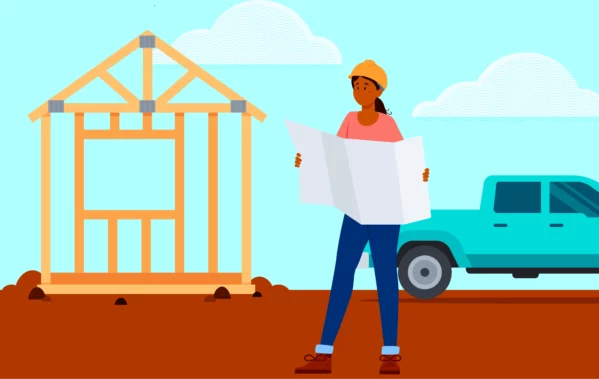
How women in construction are breaking barriers
Women in construction are breaking barriers in 2023. Learn more about their opportunities and challenges as they influence the industry.

Jkath Behind the Business: The rise of women running construction businesses (Part 2 of 5)
The rise of women running construction businesses: More women are breaking the mold and taking on roles in the trades and construction leadership positions.