Jkath Behind the Business: The rise of women running construction businesses (Part 2 of 5)
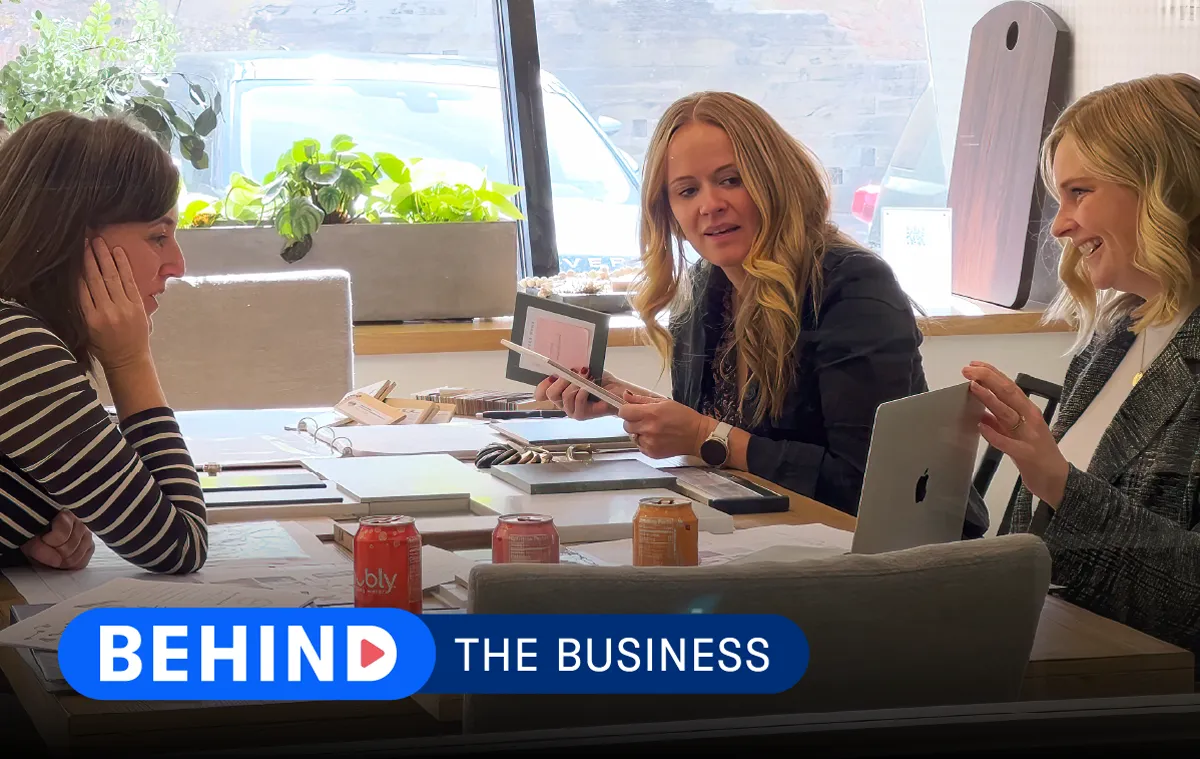
Behind the Business series: This week, we bring you the second in a series that highlights Jkath Design Build + Reinvent, a top-rated residential design and remodeling business based in the Twin Cities. In this five-part series, you’ll learn what the future of home remodeling holds, the rise of women in the construction business, scheduling dos and don’ts, how to attract the best clients and get an exclusive home tour with co-owners, Katie and Jesse Kath.
It’s no industry secret: Women are significantly underrepresented in construction. However, in an industry built of men, we’re still seeing women breaking barriers and also a rise in the number of women entering into the trades and leadership roles.
According to a 2022 report from the U.S. Bureau of Labor and Statistics, women only make up 10.9% of the construction industry workforce. Since women make up almost 50% of the entire workforce, the construction division is severely lacking female contributions.
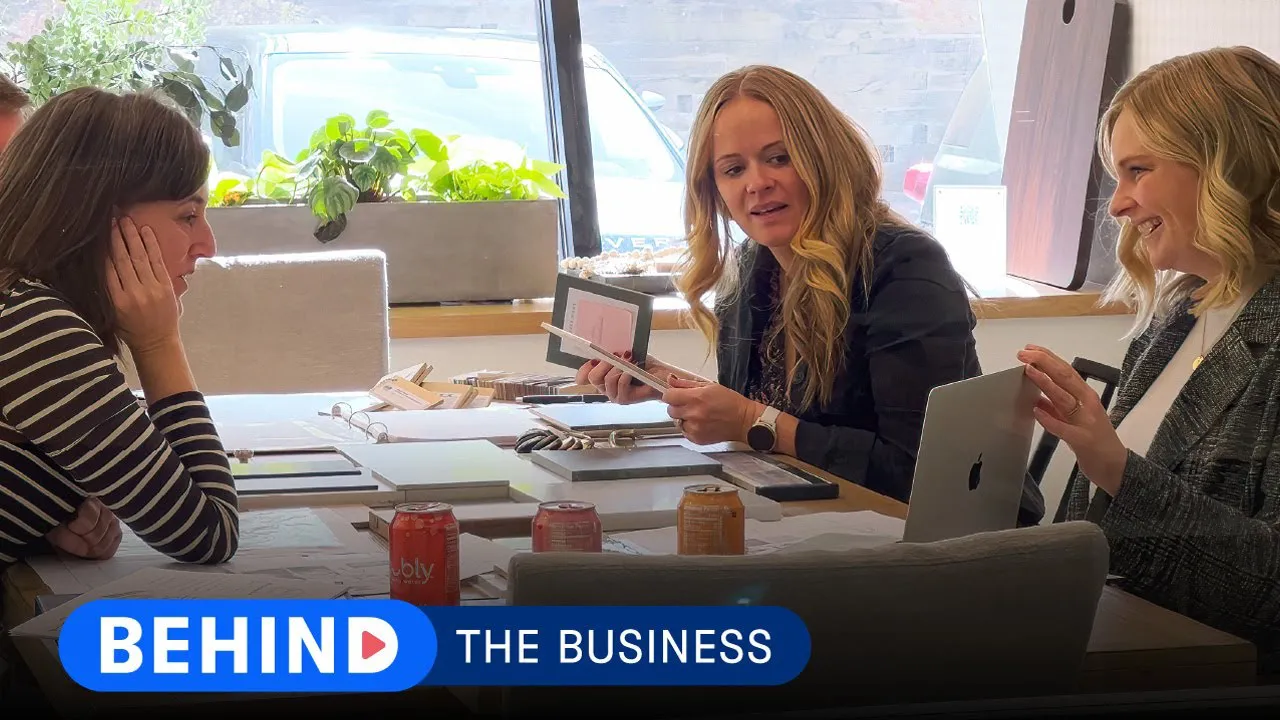
Katie Kath, partner and interior designer at Jkath, is part of this 10.9% and is a shining example of what females in leadership positions can do to improve the industry. She has taken on the gender-based obstacles and feels confident that women can change the norms in a male-dominated market.
“Women should be in the construction space. We’re excellent project managers. It’s what we do all day long,” Katie said. “That’s a very particular skill set for women in my opinion. We’re really good at it. And that’s the essence of construction, right?”
Katie has valuable advice for women getting started: Find a mentor, implement a clear business strategy, learn along the way and know that mistakes happen every day.
Construction requires a lot of multi-tasking in a fast-paced environment. Katie feels strongly that many women would excel in this environment. “I know a lot of women would be able to stand up to that challenge easily.”
Although women are underrepresented in the industry, there’s progress being made specifically in management roles. Construction is experiencing a labor shortage, which provides an opportunity for more women to step into these roles.
Here’s what construction could look like if more women follow in Katie’s footsteps:
Why do we need more women in construction?
There’s a simple answer to why we need more women in construction: We’re missing the female perspective. Women bring diversity in thought and unique problem-solving skills. The industry is in need of this valuable point of view, but what does it look like?
Our houses, business, parks, restaurants, gyms have been built by an industry that’s 89% male. There are innovative ways to build and design these important places that could change the way we live, work, play and move.
Letting new thought into the industry will bring a fresh mindset. Men and women working together strikes a balance that’ll benefit not just those working in construction, but also the rest of society.
A community of women builders
It’s important for girls aspiring to be in construction to see women in these roles and as their mentors. That exposure and access to females is essential for growth.
Rose Quint, Assistant Vice President for Survey Research at the National Association of Home Builders believes the future of construction relies on broadening its typical workforce.
“We need to reach out to different populations that have traditionally not considered construction,” Rose said.
With a shortage of skilled workers in the trades and less young people entering the trades, Rose argues that we need to look outside of men to fill these roles.
As more females step into these male-typical roles, it’s essential to have advisors and mentors to ask those hard questions and gain support. Professional groups of women within the industry will boost community and help with retention.
Katie does just this. She surrounds herself with intelligent, creative women who motivate her every day.
“Our community is full of talented, amazing, intelligent, smart, creative people,” Katie said. “And I think the best form of inspiration for me is to be around those people.”
Katie’s advisors and mentors are women because she feels they can be more honest with one another.
“As women, we share, we talk numbers, we tell each other what we’re making or mistakes we’ve made,” Katie said. “We learn from one another.”
This openness in communication, specifically being able to ask peers what they make and share advice is something Katie sees as uniquely female. And with her network of women, she especially feels comfortable asking questions like: “What do you do when you have a $3,000 mistake on site? Who absorbs it? Do you split it with the client? Do you take on that expense?”
The challenges of changing the industry
While we need more women in the industry, a major barrier in accomplishing this is that men have always dominated the trades and women lack experience in these areas.
Besides not having the proper training, many construction job openings are communicated by word-of-mouth, but women are not in the room or on the job site to hear about these opportunities.
Andrew Van Dam from the Washington Post proposes that the lack of women in these spaces is an industry problem.
“After all, the lack of women in construction wasn’t due to a lack of supply of women willing to take lucrative, secure work as carpenters or welders,” Andrew said. “It was due to a lack of demand among employers and workplaces, which were often hostile to women workers. For women to really thrive in the trades, the industry had to change.”
The first hurdle is getting more women in these positions. However, once in these roles, women find a new set of struggles. For example, collecting payments from clients and managing subs can be a struggle for women in the industry as some high-paying homeowners and trades are more use to working with male business owners. For savvy business women like Katie, taking advantage of how the industry is modernizing helps them seamlessly run their companies without these barriers.
“My biggest pain point with being a female in this industry is collecting milestone payments from our clients,” Katie said. “Buildertrend has solved that for me. I don’t have to actually go collect the payments personally or have to send that email. We can just use the Buildertrend automations to send those milestone payment requests directly to our clients.”
This is where the industry has changed with construction technology automating processes such as sending invoices and collecting payments.
The future of construction is female
Finding success usually means overcoming challenges — and we might be at a turning point in the industry. A National Association of Home Builders analysis of labor force statistics reports that the number of women in construction is growing.
These women are challenging the norms and changing perspectives. When Katie started at Jkath, she was able to take something they were already doing really well – craftsmanship – and elevate it. She recognized that custom craftsmanship was a strength of their business, but that it could be much better. She’s personally responsible for growing the design aspect of the business.
“I’ve always had a passion for the design piece and had a very clear opportunity early on to align with our clients, help them with selections, run off to showrooms with them, take the craftsmanship that we were doing really well and elevating it. Just coming up with really cool material selections that our clients weren’t able to do on their own. And that’s how we really got started,” Katie said.
How do we encourage even more women to go into construction?
To continue this upward trend of more women entering the industry, we should start them young. Challenging the gender bias and educating young women about the benefits of working construction is a good place to start.
There are construction camps that teach girls how to use a power drill, weld and learn plumbing basics. This not only teaches girls life skills, but it also teaches them they don’t need to rely on the men in their lives to complete these tasks or to take on these careers.
While the number of women in the industry has risen, there’s still a lot of work to do for women to be fully included. It begins with a cultural acceptance that women belong in the trades just as much as men. This is especially important with an ever-declining shortage of plumbers, electricians and carpenters.
Another way to encourage more women to enter the industry is by becoming a mentor or role model. While Katie has led the way in a male-dominated industry, the key to growing more female leaders in construction is not a simple one.
With more women than ever working in construction, let Buildertrend’s tools assist on the simple tasks like automizing payments so you can focus on shattering the glass ceiling.
Buildertrend gives you authority
Katie said herself that she’d be nowhere without her team. Along with her Jkath crew, using Builtertrend’s online construction software has given Katie more autonomy to stay organized with her subs and clients, plus the authority to collect the timely payments that keep her business thriving.
Schedule a demo today to learn more.
Be sure to check back for the third installment of our Behind the business series. We’ll get into the general do’s and don’ts of construction scheduling. We’ll also learn how Jkath is a prime example of how the schedule can be much more than just a project planner.
Did you miss our last installment about how technology is changing the home remodeling business? Check it out here.
Based on what you just read, we think you'd enjoy...
These suggestions are made by our team to help you find builders and stories that you relate to!
Back to all blogs