The full guide to construction project forecasting in 2023

Construction forecasting is no simple job. Besides being time-consuming and tedious, it’s probably very far from the passion that got you into this business in the first place.
Although a difficult process, forecasting is necessary for cash flow and maintaining up-to-date financials. If you’re looking to cut expenses, an accurate forecast will point to where this is possible. Knowledge is power and knowing where your company stands will help you make the right decision every time.
- What is construction forecasting?
- What are the different types of construction forecasts?
- What are the most difficult construction forecasting challenges in 2023?
- Three tips for a more accurate construction forecasting process
- Better forecasting, better profits with Buildertrend
- Construction forecasting FAQs

What is construction forecasting?
Construction forecasting is the practice of analyzing data to predict project costs for remodels or new home builds.
Forecasting gives your team an advantage to make informed decisions on maximizing cash flow and reducing risk. Some critical steps in construction forecasting include researching market trends, material delays, labor shortages and changes in the economy.
What are the different types of construction forecasts?
When it comes to forecasting methods in construction, you need to consider all three: cash flow, materials and job costing. Predicting these pieces based off previous data will help you accurately plan and budget for your upcoming construction projects.
Cash flow forecasts
Cash flow forecasting for construction projects is just predicting the funds moving in and out of your business for a project or period of time. The goal is to have a positive or a balanced cash flow — meaning not in debt. But how do you forecast this?
To start with a clear picture, it’s critical that all invoices for upcoming project costs are up to date. Next, assess the necessary work for the project. How much will you pay subcontractors and for materials? Subtract this number from your overall project estimate to get a clearer view of your profits.
Forecasting is a guess, and we make better guesses when we go back with the actual receipts and project costs to see how accurate our forecasts were. Adjust for the future and learn from your experience.
It’s important to note that a good construction management software has the built-in financial tools to save all this information and give you the most accurate construction cash flow forecast.
Material forecasts
Construction material forecasting is the process of estimating material amounts and costs. You want to be sure to have enough supply on hand for your projects, but not an overabundance. Completing a forecast is especially important when those materials are in short supply. Know what to expect with the price and demand of supplies by staying in the know on all construction industry trends.
Yes, you can write out a materials forecast by hand, but you’ll save hours by using a good construction takeoff software. This software will save a thorough list of materials and prices for each job that you can revisit on all future projects.
Job costing
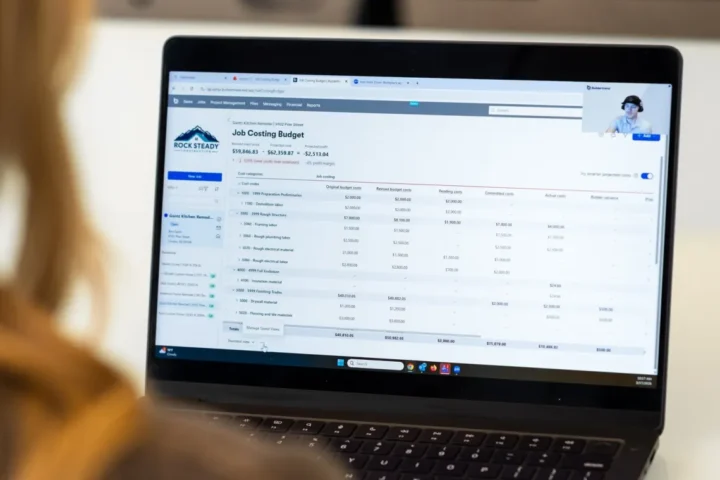
To forecast job costing simply means tracking labor, materials and overhead totals. This is especially important if you have a unique or larger project on your hands. You should get into the finer details of the expenses to assess the overall project budget.
By forecasting project costs, you’ll determine the profitability of each job and know which to accept and which to pass on before wasting your time and effort. Job costing requires tedious recordkeeping — accounting for every item, hour worked and overhead expense.
Planning ahead for all aspects of a construction project leads to future gains. Learn how to increase your profits with the job costing features within a leading construction platform like Buildertrend.
What are the most difficult construction forecasting challenges in 2023?
We’re all aware of the problems facing builders these days: material costs, inflation, supply disruptions…
When forecasting cash flow, looking at materials and job costing is a great start, but there are a lot of challenges out of our control that go into forecasting. Here are the biggest challenges builders can expect in 2023 – and possible solutions:
Material costs
There are a couple of solutions when it comes to rising material costs, but the best advice is to be prepared. Specifically, modify your estimates to reflect actual costs or give your clients alternate material options.
Have you considered group purchasing? Group purchasing is the process of buying supplies with other companies in advance to avoid the volatile market shifts. You’ll secure the materials at a lower cost and with plenty of lead time. Buildertrend partner CBUSA is the top group purchasing organization.
Inflation
Inflation is another disrupter that is beyond our control and it ultimately means higher construction costs. To plan for this, be super diligent in the takeoff and estimating stages. Buildertrend Takeoff is an excellent way to streamline job management and planning.
No builder wants to put higher costs back in the hands of their clients, but when forecasting your job costs, you must take inflation into account. Remember, your clients are also feeling the effects of higher prices, so be sure to clearly communicate how it’s affected the price of your services.
Supply disruptions
Even the best builders have been there: A project gets slammed with a big delay due to unforeseen supply disruptions. Even if the project Schedule looks great and the team is on track with Tasks, the countertops your clients first picked are now six months out.
Not to panic.
A good construction management software will allow clients to choose products in their portal. One option is to suggest clients swap for a similar material. They can do this right on the Buildertrend app.
Another way to ensure you have the materials when you need them is to use warehouse storage options or group purchasing. Be strategic and buy those materials you are constantly repurchasing and then waiting months to ship.
Three tips for a more accurate construction forecasting process
Construction forecasting doesn’t give you a quick answer. Instead, it’s a process of evaluating available data and making predictions. Here are the three best practices for getting accurate projections:
1. Use real-time data
If you want accurate estimates, you must use real-time data. And as we mentioned above, all invoices must be up to date to achieve a good forecast. Buildertrend also has a Work in Progress feature that’ll give you a breakdown of what’s paid and what’s outstanding. Besides making sure your numbers are updated, you have to use current material and job costing numbers.
2. Automate processes
Automating your invoices and payment processes will not only save you hours of texts and emails, but it will also keep your cash flow numbers exact. Automating processes gives you real-time visibility into the health of any job. It can be shared across project managers and business owners, too. Even accountants. There’s no back-and-forth communication or double entry. As change orders are approved, the budget updates. All the numbers are in sync and reliable. Now, that’s much better than spreadsheets.
3. Implement construction forecasting software
A well-built construction forecasting software solution has the tools that’ll make your predictions run smoothly. Plus, it’ll automate all processes to give a single source of truth on where your business stands.
Are you in the red? Have you been grossly under predicting the price of lumber? Step out of the financial darkness and into the light with real data from a smart construction forecasting software like Buildertrend.
Better forecasting, better profits with Buildertrend
In construction forecasting, historical data is essential for making those smart decisions. With Buildertrend, you’ll have all the project data you need for improved construction forecasting at your fingertips.
Think of Buildertrend’s construction software as a treasure trove of information and organizational tools to help you raise profits and maximize your efficiency. Construction forecasting will help you stay on budget and grow your business the smart way.
Get started with Buildertrend now.
Construction forecasting FAQs
Get answers to the most common construction forecasting questions.
To forecast a construction budget, you analyze your available data to predict project costs. It’s important to take all available job data plus market research into account when forecasting.
The different construction forecasting methods are cash flow, materials and job costing. It’s essential to take all three methods into account to get the most accurate construction forecast.
Cash flow forecasting in construction means predicting the funds that’ll be moving in and out of your business over a period of time. This is a tedious process where you measure how much you’ll pay subs and for materials to get a clearer view of your profits.
Forecasting is an important process in construction because it’s essentially planning ahead for project costs and making smart business decisions based on real data. The success of your business is directly tied to being in-the-know on the economic ups and downs, market trends, material delays and labor shortages. Information is power in the construction business.
Based on what you just read, we think you'd enjoy...
These suggestions are made by our team to help you find builders and stories that you relate to!
Back to all blogs