

Flowing prosperity: Master your cash before it masters you
Cash flow isn’t just numbers on a spreadsheet. Cash flow is the lifeblood of every residential home construction business. Get wrong and you’re constantly chasing checks and juggling awkward credit lines. Get it right and you’ll unlock growth, stability and peace of mind.
In this month’s episode of The Building Code, host Charley Burtwistle, VP of Core Operations at Buildertrend, and guest host Sarah Kate Hartt, Senior Product Manager at Buildertrend, sit down with Elizabeth Splan, Director of Finance and HR at Basements Plus to talk about mastering the money side of building.
Elizabeth isn’t shy about it: “I love dealing with numbers, cash flows, anything accounts receivable, payable, money. I even enjoy counting out money.”
That passion has helped her company transform cash management from a stress point into a growth engine. From designing draw schedules to forecasting like a CFO, Elizabeth’s practical insights show how builders can take control instead of being controlled by cash flow. Or as she puts it, “Cash will come if you have good process to support it.”
What to listen for:
- “Cash will come if you have good processes to support it.” – Elizabeth Splan
- “I used to check the bank in a panic. Now I check the bank for fun.” – Elizabeth Splan
- “Payments isn’t just a transaction. It’s part of how you run your business.” – Sarah Kate Hartt
- “What’s the worst that can happen?” Positive cash flow.” – Elizabeth Splan
- “Builders using Buildertrend Payments are getting paid three times faster, which is really, really amazing to see.” – Sarah Kate Hartt
What you’ll learn in this episode
- Forecast like a pro: Elizabeth shares how her team built a forward-looking “windshield” to spot issues months in advance, instead of relying only on rear-view financials.
- Receivables made simple: “The faster you can get the payments in the easier you make it, the more you’ll have time. Simple as that,” according to Elizabeth. Discover how Basements Plus uses Buildertrend Payments to streamline invoicing and make client payments as easy as checking out on Amazon.
- Red flags to watch for: Learn the early warning signs of deeper operational issues like over-reliance on credit lines or inconsistent draw schedules.
- Trust through transparency: Elizabeth stresses, “Don’t make it awkward. It’s only awkward if you’re not laying it out there for them.” Hear why clear contracts, proactive communication and client visibility inside Buildertrend eliminate payment friction.
- Scaling with confidence: See how tightening up cash management paved the way for record-breaking growth, including a $2M sales month.
Buildertrend Payments: Turning stress into strategy
Cash flow isn’t just about speed. Better builders know it’s about predictability. That’s why Buildertrend has doubled down on improving Payments. As Sarah Kate explains: “Payments is part of how you run your business. It’s not just a transaction — it’s embedded in the workflow.”
Now builders can:
- Automate invoices tied to schedules, draws and change orders
- Send consistent, professional reminders to eliminate awkward payment collections
- Give clients flexibility with ACH or card payments (with pass-through fees)
- Get paid up to 3x faster compared to paper checks and cash
The end result? Builders spend less time dealing with unpaid invoices and more building.
Related content:
- Webinar: Simplify your payment process with Buildertrend: Learn how to get paid faster, reduce client friction and keep cash flow moving
- Modernize your construction payment process with online payment services: See how online payments accelerate cash flow and reduce friction
- The full guide to construction project forecasting: Explore forecasting methods to strengthen your financial visibility
Subscribe here and never miss an episode.
Got podcast topic suggestions? Reach out to us at podcast@buildertrend.com.
The Better Way, a podcast by Buildertrend:
Looking to add construction tech to your daily processes? On the newest season of “The Better Way, a podcast by Buildertrend,” you’ll get best practices for implementing software and getting your team on board from other industry pros and our experts. Subscribe and stream today wherever you listen to podcasts.
Links and more
- Following Basements Plus on Instagram
- Follow Buildertrend on social: Instagram I Facebook
- Watch The Building Code on YouTube
- Join The Building Code Crew fan page on Facebook to connect with fellow listeners and keep the conversation going
Charley Burtwistle, VP of Core Operations, Buildertrend (00:00):
What is up everybody? Welcome back to another episode of The Building Code. I’m Charley Burtwistle, and as you may have noticed, if you’re a long-time listener, we have recently switched from weekly recordings to monthly recordings.
The goal of that instead of the 20-minute kind of weekly quick hitters, is to have a month long to find fantastic guests and fantastic co-hosts. Prep a little bit more and get a little bit more in the weeds so there’s a little bit more juice to each recording.
This is our second one that we’ve done this way. Very, very exciting. With that though, as we’re getting more in the weeds, we need smarter people because you guys know if you’ve listened for a long time that I’m not able to get that deep when it comes to actual construction or builder trend knowledge. So today with me, I have one of the best in the business. Sarah Kate, how are you doing?
Sarah Kate Hartt, Senior Product Manager, Buildertrend (00:45):
Hey, thank you. I’m doing great. I’m honored to be here. Yeah, with the podcast legend.
Charley Burtwistle, VP of Core Operations (00:49):
Thank you. Thank you. You are one of the few people, not few, I get a couple compliments, but I do always appreciate when you Teams me like, “Hey, great recording yesterday. Really enjoyed it.”
Sarah Kate Hartt, Senior Product Manager (00:58):
I listen, I’m a fan.
Charley Burtwistle, VP of Core Operations (01:00):
Long-time listener, first time on. So tell the people a little bit about what you do here at Buildertrend.
Sarah Kate Hartt, Senior Product Manager (01:05):
My name is Sarah Kate Hartt. I am a senior product manager here at Buildertrend. I work in our financial services business unit, so all things payables, receivables, and today I am your guest, co-host and super psyched to be here.
Charley Burtwistle, VP of Core Operations (01:19):
Super excited to have you. Like I said, we bring in smart people to make me look good. So Sarah Kate is one of the smartest, and today we’re talking cash, all things cash, and we have one of the smartest cash people in the business as well too, with Elizabeth Splan. Elizabeth, how are you doing today?
Elizabeth Splan, Director of Finance and HR, Finished Basement Plus (01:37):
I’m good, how are you?
Charley Burtwistle, VP of Core Operations (01:38):
Doing fantastic. Thank you for joining us. We really appreciate it, I always like to start off these interviews with just real simple question, tell the listeners a little bit about yourself, kind of where you’re from, where you came from, how you got to where you’re at today.
Elizabeth Splan, Finished Basement Plus (01:53):
Well, my name is Elizabeth and I grew up actually in northern Georgia and made my way to Michigan at about 16, and [00:02:00] worked with my uncle’s company and found finance to be a natural thing that happened to me. I just could see the numbers, could see issues within the numbers and enjoyed it, which I know is a little nerdy. So instantly at a young age started in finance, went to college, right out of college got a job, and I haven’t looked back. I love dealing with numbers, cash flows, anything accounts receivable, payable, money. I even enjoy counting out money. Give [00:02:30] me some cash, I’ll count it out.
Charley Burtwistle, VP of Core Operations (02:31):
That has to be one of the more satisfying tasks.
Elizabeth Splan, Finished Basement Plus (02:34):
It is. It’s still fun. And so still just growing in my career and finding ways to advance and grow and partner with people that are smarter than me, that could help make things easier.
Charley Burtwistle, VP of Core Operations (02:47):
Tell us a little bit about Finished Basement Plus, kind of how you got there and a little bit about the business.
Elizabeth Splan, Finished Basement Plus (02:52):
So I ended up there about four years ago, just under four years ago. I was very unhappy in my previous position and found them and [00:03:00] actually started out as a part-time assistant bookkeeper to the owner, keeper to the owner. And very quickly, my skill set was there. I just wanted out of where I was and grew into their director of finance and HR very quickly, joined the leadership team and actually more recently was promoted to the integrator, which is essentially the general manager of the company.
Sarah Kate Hartt, Senior Product Manager (03:25):
Congratulations.
Elizabeth Splan, Finished Basement Plus (03:27):
Thank you. Again, very solution-minded, process-oriented, and I love looking at the numbers.
Charley Burtwistle, VP of Core Operations (03:35):
It’s only 8:30 here, but it’s 9:30 there, so if you want to pop some champagne, we can celebrate the recent promotion.
Elizabeth Splan, Finished Basement Plus (03:42):
It happened a little bit ago, but I haven’t changed my… Integrator’s a title not many people are familiar with.
Charley Burtwistle, VP of Core Operations (03:47):
It sounds sweet.
Elizabeth Splan, Finished Basement Plus (03:49):
Well, it’s an EOS, so if you’re familiar with the EOS, the entrepreneurial operating system, it’s kind of like their name for what I do, but basically, it’s finance-driven and process-oriented within the company, and gain alignment and clarity across all departments.
Sarah Kate Hartt, Senior Product Manager (04:04):
And Elizabeth joined us for a recent webinar, and honestly your growth trajectory and the company’s growth trajectory in the last few years is just so impressive, so excited to be able to dig into that a little bit more today. And I know every time we talk with you, we come away with fresh takeaways, things that can be implemented this day, this week, this month, to support a stronger cash position. And so it’s just [00:04:30] really exciting to be able to sit down and chat.
Elizabeth Splan, Finished Basement Plus (04:32):
Well, thank you.
Charley Burtwistle, VP of Core Operations (04:33):
And how big is the business?
Elizabeth Splan, Finished Basement Plus (04:36):
So we have currently 78 employees.
Charley Burtwistle, VP of Core Operations (04:39):
Wow.
Elizabeth Splan, Finished Basement Plus (04:40):
Yeah, we’ve grown substantially since I started. I started in January of 2022 and I was the 48th hire in the company. So we pivoted very quickly into that FMLA and that 50-person grouping that required us to have different regulations. Since January of 2022, we’ve fluctuated between about 85 and 75 employees, give or take, based on needs and wants and growth. And then what we’ve also done is really become efficient within our departments. So that’s allowed us to gain positions that maybe eliminated another one or something along those lines.
Charley Burtwistle, VP of Core Operations (05:23):
Perfect. And I’m going to guess by the name that Finished Basement Plus do basements?
Elizabeth Splan, Finished Basement Plus (05:28):
We do. We do. Our new branded name since 2023 is Basements Plus, which we have Finished Basements Plus, which is 23 years old. It’s been in business for a long time, husband and wife run, amazing company. And in 2020 they had an opportunity to add Dry Basements Plus or a basement waterproofing aspect to the company, and so we’re the only company in the Midwest that we know of that can take your basement from dry or wet to dry and finished all at one project.
Charley Burtwistle, VP of Core Operations (06:02):
There you go. Love that.
Sarah Kate Hartt, Senior Product Manager (06:05):
Amazing. So we are here to talk about cash flow. That’s kind of like the lifeblood of any business and you are kind of a unique person in this business who is in it because you love the numbers. A lot of people are in this business because they love the craft. And so how lucky a team is to have somebody like you, with your skill set, but what are some of the signs that cash flow is limiting [00:06:30] a business? What are some red flags that you usually look out for to know that something needs tuning or adjustment?
Elizabeth Splan, Finished Basement Plus (06:38):
Well, I mean there’s the obvious signs, right? You can’t pay your vendors, you can’t pay your employees, whatever that might be. But then there’s the signs, are you really focusing on credit? Are you using lines of credit, credit cards? Things like that in order to get through to your day-to-day. And most of the time that happens when you’re just not managing your [00:07:00] cash the right way or you don’t have the right process in place, or tools in place to have that consistent cash flow.
Sarah Kate Hartt, Senior Product Manager (07:08):
And what does that look like? I mean, thinking about your team, what are the processes that you’ve put in place that help your team to feel like that part of the business is managed well?
Elizabeth Splan, Finished Basement Plus (07:22):
If you have high receivables, you want to make sure you have a good process around when are those due, what is the collections, do you have a thirty-day? We went to, with using Buildertrend and having it being very transparent to the client. So the minute an invoice is released, they’re notified one way or the other, text, email, both. And then that becomes a sense of urgency on their part. This is due, you get a bill in the mail, you know it’s due, you pay it.
(07:48)
So allowing them to have a sense of urgency and having good draw processes, in any builder, you’re going to have a draw, whether it’s a deposit and a final or if you have a longer project like we do, we have five draws within our company.
(08:05)
So that’s to ensure our cash flow continues to be steady. So, if you think about it, in some regards, the scheduling deposit for one customer might be completing a project of another customer, so that we have seamless cash to do everything we need to do.
(08:23)
So the biggest thing it is, is making sure you have strong guidelines, processes, draw schedules, however you want to talk about it, expectations with your customers are huge. Make sure it’s in your contract and it’s clear for them to see what’s coming. And then shorter timelines, most people in the construction industry know you’ve outlaid funds, you’ve spent this money already or you have to order or whatever it might be, you have labor. We haven’t had any issues with customers. We don’t even have a receivable issue in any way, shape or form, with the clarity that between Buildertrend and the expectations that we set up front happen.
(09:04)
So just having that good process in place, that is the number one thing. Cash will come if you have good processes to support it.
Charley Burtwistle, VP of Core Operations (09:13):
Gosh, I love that. I’m super interested to hear a little bit more on the draw schedule that you outlined. Is that something that’s consistent for every single job that you do and you set the expectations up front? And kind of second part of that question is, if so, how did you align on the five draws per job? Do you ever iterate or tweak that or is that all Excel spreadsheets in the background?
Elizabeth Splan, Finished Basement Plus (09:36):
Sorry about that. So actually when I started there, we had a 20, 20, just a consistent 20% draw schedule. And our change orders, for example with basement finishing, we have lots of change orders, just happens in construction, and whether the homeowner has something when we demo that comes up or they want to upgrade from the sale.
(09:59)
And when we were looking, we actually had cash flow issues when I started there and it was simply just we didn’t have the right draw schedule and we didn’t have change orders dealt with properly. So what we did is we adjusted our draw schedule to a 20% scheduling deposit, a 20% upon measure, a 30% at trim.
(10:19)
And then, I’m sorry, I messed up. It’s 20% scheduling deposit, 20% measure, 20% at start, 30% at trim, and then a 10% at completion. [00:10:30] So basically we’re getting 90% of the job before we’re done, which helps with cash flow, helps with collections at the end, that we’re not at the end of a project and the homeowners aren’t going, “Oh, I don’t have the $25,000 to pay you now.” And then we still were kind of struggling a little bit with maybe the consistent cash flow on the jobs. And I took a look at where our receivables were really sitting and I couldn’t run a valid cash flow report because the change orders were coming over into my accounting software but not due for six or eight weeks, because we had them due with your trim draw.
(11:08)
So we pivoted our contract and changed it to being due upon acceptance. The minute you decide on this change, we’re going to place an order for that upgraded granite or countertop, they’re going to charge us for it, so we’re going to ask you to pay for it.
(11:22)
We have had zero cash flow issues since those two changes have been made. It has been, I said it in the webinar and I’ll say it again, because it was fun. I used to check the bank and just try to make sure we had it and I was constantly on it. Now I can go in and check our bank for fun.
Sarah Kate Hartt, Senior Product Manager (11:37):
Which is so cool. And I mean, I’m curious, obviously that helped your cash position, but what was that like with resetting client expectations? How did that change go over with your clients?
Elizabeth Splan, Finished Basement Plus (11:52):
So it was a real simple rollout on our end. We had an existing contract that, again, and I didn’t answer that question, I apologize, but our contracts clearly state our draw schedule. They’re discussed at the sale process, they’re discussed at the selections process. They’re discussed when our project managers come out for the measure. And then obviously they’re crystal clear through Buildertrend, right?
(12:11)
It literally says it within our finance tab in Buildertrend. But when we decided to pivot, we picked a date, we changed the contract, and from that day forward, those contracts were this way. A little bit of a struggle in managing that because we had half of our jobs that were finishing up this way and then the half of our jobs that were starting another way, but from a customer standpoint, they didn’t know any different.
(12:34)
So anybody who signed after, I don’t remember the date that it was, but we’ll say December 1st, had this draw schedule and anybody before had the previous one. Very quickly it showed that we had made the right decision in how things just continued to ebb and flow. So again, it’s about knowing what your business needs are, understanding your ordering process, how long does it take to get your cabinets or whatever product or inventory in that you need to get, what are your terms within those companies? Is it a 15-day, 10-day, is there a discount? And then you just have to figure out what draws or what income base you need to make that cash flow comfortable for you.
Sarah Kate Hartt, Senior Product Manager (13:17):
And I’m kind of curious to hear, I mean maybe an opportunity to brag a little bit, but you all have made some changes that it sounds like were the right changes for your team and your business, and your clients. And I’d be curious to hear a little bit about the growth you’ve seen, if you’ve seen growth in the last couple of years following those changes that you’ve put in place.
Elizabeth Splan, Finished Basement Plus (13:42):
So yeah, in the last year we’ve had that change for about the past year, and one of the things that was a concern in the beginning was asking customers to pay their change orders basically before their project started. And I think out of our average of 155 basements that we do a year, there’s maybe been three customers that even questioned why. I feel very strongly if you provide… We’re a very honest company, we provide a lot of clarity. Everything is there to see, your contract is detailed and everything you want, we draw up the plans, we send them to the homeowners, there’s no hidden agenda.
(14:26)
So with that piece, we haven’t had too many [00:14:30] people question it. And what I think it’s done as well, as far as growth is, we did have a record month in June of this year in sales. We hit 2 million in sales in one month, which for us was the best we’ve ever done.
(14:45)
So yeah, it was awesome. Very, very excited for that. And again, I think a lot of that goes… We’ve done tons of changes, not just in the finance department and just training and people understanding our vision and we want to deliver a remodeling experience that no one else can. That’s the main heart of our company, and it’s in everything we do from the sales department, our marketing department, and even finance. When they call in and they’re confused about a change order or confused about an invoice, don’t understand something, our job is to make sure we provide clarity for that and that they feel comfortable.
(15:23)
Let’s be honest, most of the time they’re giving us very large sums of money each time. In this industry things are more and more expensive. So it’s important that you give them not only the support and understanding, but the clarity. And I know this is a Buildertrend podcast and I don’t mean to keep plugging Buildertrend, but the clarity that Buildertrend provides to the homeowner, whether you’re a fixed cost or you’re cost plus, the details are there, the information is there, they can see their schedule, what’s coming, link to the draw.
(15:57)
Okay, in two weeks, I know my trim is going to be done, so I know I have a draw due, those are all things that make it seamless in my world.
Charley Burtwistle, VP of Core Operations (16:06):
Yeah, that’s a great call out, and it actually segues really nicely into my next question. At first I wanted to double back and say, “I checked the bank just for fun,” is an awesome line, not something I can personally relate to, but an awesome line to drop there. But I was going to go off that a little bit and talk about from a visibility standpoint, what are the main things that you’re checking every day, every week, to ensure that the business is in line? And off that last point, what are the things that the clients are checking every day to make sure that they’re paying when they need to? And if you could just expand on that a little bit more. I think visibility is really important when it comes to cashflow.
Elizabeth Splan, Finished Basement Plus (16:42):
From a business standpoint, I kind of have my parameters set of what my minimums are, where my comfort level is within the bank, within the receivables, payables, et cetera. And that’s kind of really a formula that you need to work in within your own business. Something that you have to make sure, what’s your average payroll? So the visibility there is kind of, if you haven’t calculated your breakeven for example, what is that minimum you have to have every single month to pay your bills and potentially make a profit, because that’s what we’re in business for, let’s just be honest.
(17:16)
But from the visibility standpoint, you just kind of have to come up with what are your minimums, where’s your safe spot? And I’ve created a couple of things within our bank where we have a minimum balance in one account, the rest sits into another account so that I can very visually see, okay, I have this, and I have this over here and I know I have these. When you look at it, your weekly, monthly, however you do your cashflow and your balance sheet reviews, what you need to pay out, what you have coming in, you have to have this little formula in place.
(17:52)
And if you don’t have somebody in your company that can provide that for you, any real accounting person can help you with that and it’s a really valuable tool. From the customer standpoint, could you kind of re-ask your question because I wasn’t following the visibility there.
Charley Burtwistle, VP of Core Operations (18:07):
I have a really bad habit of asking two or three questions all at once, really detailed questions, so I’ll put the hand up on that. I was asking, you mentioned that with Buildertrend, your clients that you’re working with have more visibility into when their projects are getting done and I was just wondering if maybe you could note a couple specific things that they’re checking, like they’re checking when they’re payment’s due, or are they checking the schedule? Do you guys upload photos in there? What does that client experience kind of look like?
Elizabeth Splan, Finished Basement Plus (18:33):
We use Buildertrend in every possible way that we can currently, we still don’t utilize it fully. It’s one of the next steps. I laughed, I said in my webinar, I’m like, “Maybe I can come out to a Buildertrend University,” but we utilize it from the start of the job. They’ll get an invitation to create their Buildertrend account. They’ll have their selections meeting. All of those are entered within Buildertrend, approved by the homeowners. Again, transparency, they know exactly what they can expect. “Oh, which color paint did I pick?” They can go right into their Buildertrend and see that.
(19:10)
We take all of our measures, all of our plans are digitally uploaded. We’ve recently rolled out a digital measure process within Buildertrend, so the plans are opened right within Buildertrend, edited within Buildertrend and then saved for not only the homeowner but our developers to see. Verifying measurements down to the inch or quarter inch, making sure everything’s ordered exactly the way it needs to be. I mean, 100% of our process from start to finish flows through Buildertrend for the customer side, and then when their schedule goes live, we’re getting ready to start their job. When are the guys going to show up? When are our trades going to be there? What does it look like? We have Michigan, right? We get cold here, we get hot here. So there are times when we’re doing drywall for example, that in demos we ask that we shut their furnace down for that time while we’re there so the dust doesn’t get…
(20:08)
And that’s all communicated directly through Buildertrend, through automatic emails and notifications and to dos for the customer, also within their schedule. So we have a demo that’s triggered on that date, this email is sent two days prior. “Hey, this is what to expect.” So I think the unique thing that we’ve been able to do is really maximize the tools that Buildertrend provides so that the customers don’t have questions, they’re so informed, that’s why they’re confident in making that payment when we release that draw. They know exactly what’s happening and when, in every piece of their job from start to finish.
Charley Burtwistle, VP of Core Operations (20:46):
Well, you got to be careful, Elizabeth, I think if you come out to BTU, you may end up teaching a class. So I’m not sure if that’s something that you should really be pushing for because we might put you to work.
Sarah Kate Hartt, Senior Product Manager (20:55):
Buy the tickets, let’s get her out here.
Charley Burtwistle, VP of Core Operations (20:59):
No, that’s awesome. Maybe last kind of question here before we transition. You guys clearly have your ducks in a row and it sounds like you’ve implemented some changes and you’re continuing to change. I think cash flow is something that a lot of the builders that I’ve talked to even on the podcast struggle with. So maybe some guiding words of wisdom, if someone is listening to this and they’re like, “Okay, I got to get serious about this. I got to figure out my draw schedule or figure out my visibility, figure out my receivables,” what’s a good place to start if someone is ready to commit to cash flow and commit to figuring this out for the first time?
Elizabeth Splan, Finished Basement Plus (21:34):
Forecast. So sit down with Excel, somebody who’s got some knowledge of it, look at what your receivables are, look at what your goals are set. We have this great spreadsheet, and I hate to use Excel in this particular scenario, but the owner and I sat down and created, we call it the windshield, because in the finance world we’re always looking backwards. I’m providing your financials for the month that we just finished. So how did we do? But where are we going is really something that is pivotal in the finance world.
(22:11)
So we look at what projects do we have out there in our backlog that’s going to start? What are their dollar amounts? What are those draws look like? When do they anticipate to close? And we kind of have this document that kind of shows us, this is where we should be, when we close, what are we in September, when I close October, I should know this amount of money should be in my revenue. This is what we should look like on the top line of my P&L. And if I don’t, well there’s a red flag.
(22:42)
And that kind of helps with your cash flow and then set a good goal. What is the minimum that you need? When I talked about calculating your breakeven, what is the minimum you need in your company to break even or to make a profit? And you put those numbers in and I can kind of give you an example. So we have, what we call our start calendar. So these jobs are sold and they’re going to start this week, this week, this week. Within that I know what that revenue looks like and our average job from start to completion is about three months.
(23:15)
So we just average those out. So if I start a job in October, January is when I’m going to potentially see that contract end and that revenue come to play. So those numbers are sitting in my January close estimates, and I have transparency of what I’m going to have in those months. If you can see three months out, four months out, five, six, even a year out, if you have enough of a backlog depending upon what type of company you are, then you know, hey, I need a few more sales to end this month so I can make sure I can meet payroll, I can pay my vendors, I can pay myself.
(23:53):
That’s an important thing as well. The owners need to get paid as well. They’re working pretty hard.
Sarah Kate Hartt, Senior Product Manager (23:59):
Absolutely.
Elizabeth Splan, Finished Basement Plus (23:59):
So visibility, transparency, forecasting. I think a lot of the smaller companies sometimes forget that they… They’re just out there hustling and I get it, I’ve seen it, I’ve been there, but you have to kind of predict what’s coming. It’s not perfect. There’s no crystal ball. Boy, I wish there was, but if you can predict what your cashflow will be, if you can predict what your revenue will be, I should say, and you can make sure that you’re hitting your targets and you have a goal in place. Let’s just say you need to start $100,000 of jobs every single week in order to hit that goal that you have, which means you’re going to have to complete $100,000 in jobs every week to have that money hit the bank and hit your P&L. That’s the magic.
Charley Burtwistle, VP of Core Operations (24:53):
I love that. I think it’s actually a really good segue to some questions I have for Sarah Kate because she’s leading the charge on the Buildertrend side of our online payment solution. Numbers in Excel of what you should be getting paid is one thing, but actually collecting on those payments and seeing that cash come in is another, and both equally important. So maybe before I start grilling Sarah Kate with some questions, Elizabeth, can you tell us a little bit about your receivables solution or process today and how you’re actually collecting those payments from customers?
Elizabeth Splan, Finished Basement Plus (25:22):
So our receivables processes is a hundred percent through Buildertrend at this point. The draws are set up again at the [00:25:30] very beginning of the job, released to the homeowner. The expectation is set for the due date to be within that week that it’s released. We say seven days, but we make the due date, whatever that… For example, if it’s around their start, and the start is deliver of materials. So whatever day that material delivery is set for, Monday of that week, we release any of those payments, or any of those draws.
(25:56)
So if the delivery is Tuesday, their due date for that invoice is Tuesday, because we’ve now met that contractual obligation. That’s that draw point we’ve set. And again, the expectation is just for them to pay it and because, again, I feel like it’s a shameless plug, but it’s the truth, because Buildertrend makes it so easy, and we only allow ACHs to be transparent.
(26:17)
We don’t do credit cards through Buildertrend. Again, large lump sums of money, those fees are high, but with an ACH, it’s $15 max for them to pay via check through Buildertrend. It’s the same as checking out on Amazon. It’s super simple. It’s convenient for people and everybody has had experience with an online payment at this point, so they don’t think anything of it. It’s the same thing as going in and checking out, like I said on Amazon or buying something online.
(26:47)
So the expectations are set early, like I said, and Buildertrend and Basements Plus make it easy for them to just make their payments. There’s no confusion.
Charley Burtwistle, VP of Core Operations (27:00):
Yeah, I love hearing that. I think I talked a little bit about this before we started recording, but doing this podcast is my favorite part of my job, because we get to hear real life experiences and directly from our customers of how our solution that we spend 40 hours a week talking about of how to improve is actually making a difference. And Sarah Kate on the product side, I know you guys talk to customers constantly and try to figure out how to constantly improve our online payment solution. It’s definitely something that’s getting a lot of attention right now inside the four walls of Buildertrend HQ. So I’d love if you could just give a little overview of why we’re so dedicated and focused on our online payment solution on the product side.
Sarah Kate Hartt, Senior Product Manager (27:39):
I mean, I think, yeah, Elizabeth, you highlighted the importance of a best-in-class client experience, that is kind of what allows you to get the money in, that allows you to keep your jobs running. But I think the reason Buildertrend is so focused on cash flow and on being able to facilitate those payment moments as that cash rules everything around me, it’s that old adage, “Cash is the lifeblood of a construction business,” if it unravels, so does everything else. And so we want to make sure that our builders using Buildertrend aren’t missing vendor discounts, aren’t upsetting the subs and trades they work with because of late payment, aren’t spending valuable time that they could be spending on money-making activities, chasing down payment.
(28:34)
We want to make sure that they have time and energy and breathing room to do the things that they like, that inspired them to go into this business in the first place to be able to invest in growth and efficiency.
(28:46)
I think Elizabeth, one of the reasons your team has been able to build and really solidify more efficient processes is that you found a way to get in a strong cash position to give your team that breathing room, to put your heads down and focus on building for what’s next and not just surviving today.
(29:12)
So I think it really comes down to like, our customers can’t maximize the tools they’re using or their use of those tools, one of them being Buildertrend if they don’t have a strong cash position. And so we, as one of those critical tools for a lot of our customers businesses want to make sure that we’re supporting them to get to that strong cash position.
(29:38)
So yeah, I’d say that’s why it’s such a strong focus for us. We want our customers businesses to be successful. Their success is our success, and cash is kind of the foundation for it all.
Elizabeth Splan, Finished Basement Plus (29:53):
I mean ultimately the faster you can get the payments in and the easier you make it, the more you’ll have. Simple as [00:30:00] that.
Charley Burtwistle, VP of Core Operations (30:00):
What are some of the kind of recent changes that you guys have been making? I don’t work directly with the payments team a ton, but I hear a lot about it constantly. You guys are all scurrying around the office doing important things all the time. So I’d love to just hear a little bit about where we started, where we’re at now, and maybe what’s next.
Sarah Kate Hartt, Senior Product Manager (30:17):
Yep. Yeah, the whole team’s been scurrying around the office this week. We have a largely remote team and it’s been great to spend the last four days all together here. But I would say there are a lot of ways to move money. Not all of them are built into the system builders used to run their jobs. And so when we think about what really makes the difference for teams using Buildertrend, it’s that kind of integration with the job management platform.
(30:54)
So managing cash in, managing cash out is a huge part of keeping jobs running. Builders are using Buildertrend to keep their jobs running. Everything in one place just means payments become part of the workflow. Part of the workflow means it’s less effort, there are fewer errors, there’s better visibility, there’s better opportunity. Elizabeth, to your point, there’s better opportunity to take that good information and use it for forecasting, use it to project future growth, use it to look out for landmines and that kind of thing.
(31:24)
And so I think we’ve really been focused on the workflow piece of this all. Payments is part of how you run your business. It’s not just a transaction. And I think that goes for the client experience too. So how convenient to be able to pay from the same portal I use to keep up with what’s happening on the project, and to be able to do so anytime from anywhere. And so the embedded piece and really the experience around receivables and payables is a key focus to make sure that all the pieces are in place for that alignment to happen without added overhead.
(32:11)
And so often we’ll talk to clients, or when I say clients, I’m talking about builders, but we’ll talk to builders who say, “My customer’s out of town, I’m following up over and over again. I’m driving around chasing checks. I don’t know where my money is.”
(32:25)
And we take those stories and we look for common threads and there are some very, very clear, consistent points of frustration, and that’s where we will focus. And so it’s now easier than ever to create invoices from job financials, whether it’s a draw, like your team is doing, Elizabeth, that you set up at the start of a job and everything’s tied to your schedule. And so you have that kind of visibility going forward before the job even kicks off, or whether it’s an open book invoice where you’re pulling all of your actual costs into an invoice and presenting those in a clean way for your client to understand, or a change order that can be paid right away when it’s approved.
(33:11)
We’ve really been focusing on the invoice creation and making sure that that is quick and that you are utilizing information that already exists in the system so that you’re not double entering, manually entering, putting yourself at risk of inconsistent records. And we’ve doubled down on the client notifications and automated reminders.
(33:39)
I think there is no person, no matter how great they are, they could be the all-star on your team, but no person is going to be as consistent as an automated system. And the consistency is huge. You’re not going to get paid routinely and predictably on time if every time your client has something to pay, the experience for them is different, and the way they’re getting notified and the way they’re getting reminded and when they’re getting reminded is different.
(34:10)
And we’ve made sure that the client checkout experience is best in class, that it is, like you said, not unlike making any other purchase online, that it’s secure, that it’s professional, that it has our Builders branding, that it offers the payment methods that make the most sense for this industry, that I can make a payment from my car on the side of the road or from vacation halfway around the world or from my computer at work.
(34:41)
We’ve also heard, Elizabeth, I know your team isn’t offering credit card payments, because that’s not what makes sense for your business at this moment in time, but builders can now pass credit card fees onto their clients, which is a small change, but a meaningful one. It allows builders to give their clients more flexible ways to pay, more ways to pay, I guess I should say, without taking that hit of the fee.
(35:10)
And then I think on the backside of it, just the real-time updates that make sure the right people know exactly which payments are coming in when, both on the builder side and on the client side. So clients are also getting clear confirmation. So nobody’s wondering, “Did you get my payment?” Nothing feels worse than submitting $100,000 payment and then not knowing after you hit submit, whether it went through or whether the person on the receiving end got it.
(35:32)
And so we make sure that we are taking on that task of confirming with the client. So yeah, it’s kind of like, all of those little moments in the workflow where something could go wrong or where somebody could be left wondering if they did the right thing, or if they’re doing the right thing, and the result really is faster, more predictable cash flow.
(35:57)
And I feel confident saying that because Elizabeth has also said this on this call, and it’s always so awesome to hear customers reiterate what we think is happening and what we think the value is, that in fact that’s coming true in their day-to-day. Builders using Buildertrend payments are getting paid three times faster, which is really, really amazing to see. I mean, that’s often a full week to two weeks before I would if I were waiting on a check or if I were tracking my payments in some external system. And that kind of cushion is leverage.
(36:31)
And so going back to cash flow makes a huge difference when it comes to paying subs, when it comes to getting those vendor discounts, when it comes to being able to keep things on track when surprises come up, to not get completely derailed. And then the investments in growth.
Charley Burtwistle, VP of Core Operations (36:49):
Well, yeah, Elizabeth, you hit on it earlier, you’re not just collecting that cash and wanting to get it quickly just so it could sit in the bank. You’re using it to grow and scale and pay people and start the next job. So while one to two weeks may not… Oh, I’m going to get it eventually, it’s like, no, you need it now because we’re getting ready to do something else right now.
Elizabeth Splan, Finished Basement Plus (37:09):
Right. Well, and I want to touch back on what Sarah Kate said, all the automations and all the things that you’re doing, ultimately, and I’m sorry if this is a little bit cheesy, but it builds trust, and your vendors have to trust that they’re going to get paid and your customers have to trust why they’re paying you. And that’s the piece that Buildertrend offers, from, again, visibility, what they’re getting their schedule right to their payments and their releases of those invoices.
(37:39)
That’s why Buildertrend payments work in my mind. It’s you’ve built a platform that can allow the homeowners or the customers, whatever, and the vendors to know exactly what’s coming and when. And that’s just trust. And that’s why we do what we do. That’s why we choose who we work with or why our customers choose us as a builder, right?
Sarah Kate Hartt, Senior Product Manager (38:02):
Trust, and nobody really likes to talk about payments. You don’t want to talk about the obvious. You’re in business to get paid. You’re providing a professional service, of course there’s an expectation you’re going to get paid, but you want to be talking about the job. You don’t want to be knocking down doors and kind of making the invoice the base of your relationship with your client. And so to kind of have some of that set up, set the clear expectation and then sort of set it and forget it, allows you to build a different kind of relationship with your client, which I also think is really important for the referral for the next job and all the rest.
Elizabeth Splan, Finished Basement Plus (38:44):
I mean, you want to build excitement around them paying you, right? Ultimately, “Hey, I’m releasing your trim draw.” So it means your job is starting to come to a close. You can start to see all the little nuances coming together, your cabinets are going up, so they’re excited to pay that because they’ve seen what’s happening.
Sarah Kate Hartt, Senior Product Manager (39:04):
I love that. Yeah.
Charley Burtwistle, VP of Core Operations (39:05):
Yeah, this is awesome. I think Sarah Kate, I’m super glad you joined us today because it is cool for me personally to talk to someone from our customer base that’s actually utilizing our system and someone from our product team that is actually building for our system and hear how aligned those two stories and goals are. Because you’ve been here for a while now. It hasn’t always been that way. We’ve made a pretty intentional shift in the last two years or so, to listen to our customers more, build exactly for what they’re asking for, exactly how they’re running their day to day, how they’re running their business as opposed to just building stuff that sounds or seems cool. And so it’s cool to see that come together and how closely aligned you and Elizabeth are.
Sarah Kate Hartt, Senior Product Manager (39:43):
Yep.
Charley Burtwistle, VP of Core Operations (39:46):
Okay. New segment, part of these new hour-long episodes that we get the opportunity to do is listener submitted questions. So if you guys follow us on Instagram at the Building Code I think is that, if not, I apologize, or email in at podcast@Buildertrend.com, feel free to submit your questions and we’ll answer them live on the podcast here. So we have two for today, because I know we’re already running up on time. As always, I think we’re going to have plenty of time with an hour and then it just flies by, a testament to how interesting you are Elizabeth. So thank you for being a great guest.
Elizabeth Splan, Finished Basement Plus (40:18):
Thank you.
Charley Burtwistle, VP of Core Operations (40:19):
First one for you, Sarah Kate, how does Buildertrend help make invoicing less awkward with clients?
Sarah Kate Hartt, Senior Product Manager (40:26):
I love when invoicing is described as awkward. I guess I kind of alluded to that too when I’m like, “You don’t want to have to talk about invoicing,” but Elizabeth, feel free to jump in here too. But I think part of it is your jobs live in Buildertrend and Buildertrend is where your clients are going to get updates about that project, and you have an opportunity with that portal to make the draw schedule or your payment schedule visible from the start, and to communicate that at the start of a job.
(41:04)
So I think expectation setting is a big first step, and really owning that payment schedule. And then I think consistency and professional delivery is a big piece. The last thing anybody wants is to be surprising their clients or to be switching things up on their clients every month when it’s time for the next payment, or to get questions about an invoice where it’s like, “Hey, are you sure you’re supposed to be billing me for this, or this is missing something. I was expecting to be billed more this month, or it seems like you included the wrong thing.” Nobody wants those kind of hiccups to come up.
(41:49)
So I think really establishing a process and following that process every single time, no exceptions, is kind of the key to make sure that the invoices you deliver are accurate, that they look professional, that they arrive when they’re supposed to, that your client knows what email, what text message to look out for. And then let us take the reminders on. So we will, if the client doesn’t pay right when they receive that invoice, even though most do and they can, we will remind them before the deadline. We’ll remind them on the due date, we’ll remind them after if they’ve forgotten.
(42:32)
And so some of that follow up can be a little bit awkward. I’m assuming that’s kind of where that question comes from. And to have a system take that on for you is probably a big help.
Charley Burtwistle, VP of Core Operations (42:47):
Love it. And I love what Elizabeth, you said right before that as well too, is tying it to the exciting parts of the job of you’re not just paying just to pay. This is now done or this is getting ready to be done. [00:43:00] And having that through the same system where they can actually see those updates happening makes it a fun, exciting moment, not a, oh shoot, more money moment.
Elizabeth Splan, Finished Basement Plus (43:08):
And again, it’s because you’ve built trust and provided transparency. That’s the key in my mind. I can’t express that enough. Don’t make it awkward, it’s only awkward if you’re not laying it out there for them.
Charley Burtwistle, VP of Core Operations (43:23):
Cool. Second question submitted was for me, why did the podcast switch from weekly to monthly episodes and what excites you most about the change? I think today’s episode is actually a great testament to why we wanted to make this change. Before when we were doing weekly 20-minute episodes, intros alone, how you got into what you’re doing today can last 20 minutes. And we were really leaving a lot of meat left on the bone to provide insights to our listeners in that we want to be a thought leader in the space and provide those insights. And you should learn something from the podcast, not just hear me and Sarah Kate banter back and forth about why she was late to the recording today and things like that.
(44:04)
So being able to have a customer perspective of not just what are they doing, but why are they doing it and the changes that they’ve seen becomes because of it.
(44:13)
And then also with a month cadence, it allows us to pair up with where our focus areas at Buildertrend are. We’re constantly iterating and trying to improve the product, but sometimes we have bigger focus areas that we are focusing on as a business and we want to provide the insight to our clients on what those are. So right now, payments is kind of top of mind for everyone inside the business. Sarah Kate’s doing an awesome job and the rest of our team, of constantly iterating and improving that.
(44:39)
We want to share those insights with our customers as well too. Buildertrend is a big system with a lot of features and a lot of use cases for it, but when we’re investing substantial time and money and people energy to improve an area, we want to let our customers know about that so that they can utilize it and adopt those new changes and pair it with an awesome client such as Elizabeth on how our customers are actually using those as well too.
(45:03)
Doing it on a monthly cadence just allows us to spend a little bit more time and be a little bit more thoughtful to ensure if you are spending the time listening to me banter and rant, you’re actually getting something out of it. So Elizabeth, I want to thank you again for joining us today. Sarah Kate, I want to thank you again for joining us. I think this is a perfect testament to what we want this new format to look like.
Elizabeth Splan, Finished Basement Plus (45:24):
Thank you. It was my privilege to be here. Enjoyed it.
Sarah Kate Hartt, Senior Product Manager (45:25):
Great to be here.
Charley Burtwistle, VP of Core Operations (45:28):
Sweet. I think that [00:45:30] about does it. As we wrap up here, Elizabeth, any kind of final sage words of wisdom that you want to leave for our listeners?
Elizabeth Splan, Finished Basement Plus (45:40):
I mean just again, forecast as best you can. That’s the one thing about, if we’re going back to cashflow, even leadership in your company, making sure your team knows what you need and why is really important to growth and building something strong.
Sarah Kate Hartt, Senior Product Manager (45:59):
One thing I [00:46:00] just want to add, when you talk about forecasting, your jobs are your business. And so staying cash strong really starts there. And I really love that you’re using that kind of per job and cross job visibility that you have in Buildertrend to forecast in a smart way and spot issues early, make smart decisions about where to spend, hold, make adjustments. And so it’s just really cool. I think those informed decisions are what keep businesses in a strong cash position in the long run.
(46:30)
And I talk with builders a lot, you are one of them, but every builder has a different way to make confident decisions, and it seems like you and your team have been able to make confident decisions much faster because you have such great visibility into what’s going on at the job level and across all jobs. So yeah, congratulations on that and it’s just really awesome to hear from you.
Elizabeth Splan, Finished Basement Plus (46:54):
Thank you. Appreciate it. We work hard.
Charley Burtwistle, VP of Core Operations (46:57):
Sarah Kate, per your sign-off here, if our listeners [00:47:00] are out there are super interested in Buildertrend payments, it sounds like something they want to implement, where’s a good place for them to go or a good place for them to start?
Sarah Kate Hartt, Senior Product Manager (47:07):
Yeah, I would say talk to your account manager and we can get you set up, or go straight into your Buildertrend account, company settings, and you can get signed up for client payments today. And I would say as soon as you’re ready, this is just another thing that you will be able to bring into the fold so that all your systems are connected and things are getting updated without you having to take a step outside and do this manually.
(47:44)
So yeah, go into your Buildertrend account, if you want to go the self-service route or talk to your account manager and we can get you set up to start collecting payments online and to give your clients that kind of elite experience where they open up an invoice in the portal that they know and love, and they can just click pay from wherever they are.
Charley Burtwistle, VP of Core Operations (48:07):
Or Sarah Kate’s heading to the airport right after this. If you’re super quick, you can chase her down and meet her at the airport and she can help get you set up today.
Sarah Kate Hartt, Senior Product Manager (48:14):
It’s a small airport, so I’m sure you’ll spot me. Yeah, it might be one of five in there.
Charley Burtwistle, VP of Core Operations (48:18):
Yeah.
Elizabeth Splan, Finished Basement Plus (48:19):
Anybody listening, don’t hesitate, sign up for payments. Honestly, it will change your life. What’s the worst thing that can happen? Positive cash flow?
Charley Burtwistle, VP of Core Operations (48:30):
Elizabeth, you have some great lines, like, gosh, we got to stamp these, put these on some T-shirts. Check the bank for fun. Yeah, what’s the worst that could happen? Positive cash flow. That’s a great note to end on. Elizabeth, Sarah Kate, thank you guys so much. And for our listeners out there, thank you for tuning into the Building Code. Until next time, I’m Charley Burtwistle.
Sarah Kate Hartt, Senior Product Manager (48:47):
And I’m Sarah Kate Hartt.
Charley Burtwistle, VP of Core Operations (48:48):
Peace.
Sarah Kate Hartt, Senior Product Manager (48:49):
See you.
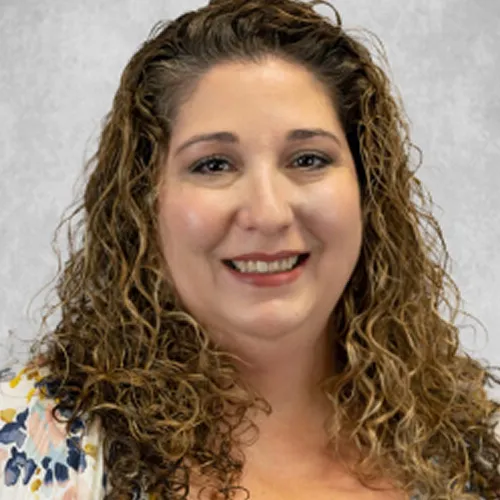
Elizabeth Splan | Basements Plus
Places You Can find us