




Plan, prepare, profit: Top tax tips every builder should know
This episode was recorded in 2025. Because Buildertrend continues to improve and expand its platform, some features or services mentioned may have changed.
Today on “The Building Code,” Charley and Courtney are chatting with Karine Woodman, founder and CEO, and Michelle Vesel, process implementation specialist, at 24hr Bookkeeper. Their company specializes in providing comprehensive bookkeeping and financial management solutions tailored for the construction industry. The team is committed to helping builders streamline financial processes, ensure compliance and improve overall profitability.
Listen to the full episode to hear their insights and best practices for how to prepare your business for the upcoming tax season.
What is one thing builders should focus on as they prepare to complete their taxes?
Karine: “We want to make sure everything’s reconciled and updated. When you’re managing accounts payable, as in your bills for your subcontractors and your suppliers, there’s room for error on duplication. So, focus on good process to manage that. And then, a lot of the time we want to make sure that we’re catching any type of payees missing. If we’re doing 1099s, for example, and you don’t have this expense tagged to this vendor or sub, you can’t really produce a 1099 because it’s not going to show up on other reporting. So, there’s little tiny things like that, that we’re really looking for.”
Michelle: “I always like to make sure, too, your accounts receivable is accurate. I think we focus a lot on payables because it’s the biggest and heaviest portion as the builder. You get those tons of receipts, but another big thing for year-end is making sure all those invoices went out, and you had your income all tagged to customers because that’s a big thing when you think about recognizing revenue, and ultimately, what you’re going to pay taxes on. Right? That’s what everybody cares about. ‘What is my bottom line? What am I going to have to pay taxes on at the end of that?’”
What tips do you have that’ll help make the process of filing taxes easier for builders?
Michelle: “So, one thing I always tell people is make the time, and number two, delegate. Because I think, and you all know there’s probably a business owner out there who is still doing their bookkeeping. There comes a time where my advice is, ‘It’s time to let go.’ Because when you’re in the weeds of it, wouldn’t you rather be looking at it and understanding it and analyzing it versus being 10,000 feet deep? That’s my biggest advice. Get out of the weeds and delegate. Delegate entering, delegate your data entry and put someone in place who can really help you reflect on those numbers. And take the time to analyze this year versus being stuck doing.”
Karine: “And I would add, sometimes if we’re on the job site all day, or we’re managing an office, whatever the case may be, bookkeeping or all the pieces get kind of pushed to the back burner because it’s like, ‘I’ll get to it, I’ll get to it.’ And typically, in this industry a week ago is too far back. So, I think just trying to recognize the small steps on the everyday. Get the receipts in, get the job information, provide the detail that you’re being asked because that’ll go a long way in just keeping up. Those are things that are hard to go back six, seven months and then try to job cost.”
Links and more
Learn more about 24hr Bookkeeper.
You can also reach out to their sales team at sales@24hrbookkeeper.com or (218) 885-3100.
Listen to episode 189 where Amanda Geer, office administrator at Popularis Construction, shares her insights and strategies for using Buildertrend’s Cost Inbox feature.
Attend the 2025 International Builders’ Show in Las Vegas coming up at the end of February.
Get your free IBS expo pass on us and start planning your trip.
If you haven’t already, now’s the time to set goals for your construction business. Download this free construction strategy template created by the team at Breakthrough Academy and get:
- Simple directives to get you started
- A complete example for reference
- An editable template to start using immediately
Related content:
Listen to the last episode to hear how Scott Beebe, founder and head coach at My Business on Purpose, is helping construction business owners use efficient job costing to sustain financial success.
Subscribe here and never miss an episode.
Got podcast topic suggestions? Reach out to us at podcast@buildertrend.com.
The Better Way, a podcast by Buildertrend:
Looking to add construction tech to your daily processes? On the newest season of “The Better Way, a podcast by Buildertrend,” you’ll get best practices for implementing software and getting your team on board from other industry pros and our experts. Subscribe and stream today wherever you listen to podcasts.
Follow us on social:
Listen to “The Building Code” on YouTube! And be sure to head over to Facebook to join The Building Code Crew fan page for discussions with fellow listeners.
Charley Burtwistle (00:05):
What is up, everybody? Welcome back to another episode of “The Building Code.” I’m Charley Burtwistle.
Courtney Mattern (00:11):
And I’m Courtney Mattern.
Charley Burtwistle (00:12):
Courtney, this is the second time in a week we’ve got the absolute pleasure of being together. Has anything changed since the last time I saw you?
Courtney Mattern (00:19):
No. I’m still fired up for 2025.
Charley Burtwistle (00:19):
Yep.
Courtney Mattern (00:21):
I’m looking forward to the International Builders’ Show. I’m not going to let anybody forget. It’s happening at the end of February. We’re letting Charley out of the building.
Charley Burtwistle (00:28):
Yep, yep.
Courtney Mattern (00:28):
We’ll both be there.
Charley Burtwistle (00:30):
Yep.
Courtney Mattern (00:30):
And I’m really excited to have another … We’re doing a lot of, “Start the year right,” because it’s still not too late. It’s still the end of January.
Charley Burtwistle (00:37):
Absolutely. And on a personal note, our Instagram and TikTok is picking up.
Courtney Mattern (00:45):
Yeah.
Charley Burtwistle (00:45):
I was going through it the other night. We’ve got some comments. People are engaging. It’s looking really good.
Courtney Mattern (00:49):
Yeah. If you haven’t connected with us on social media, at the end of the year, we started our own Instagram channel, TikTok channel, so you can get all the amazing clips that we have from the podcast. There’s just so much, we realize. Every guest brings so many little nuggets of knowledge, so we wanted to chop those up and serve them up in a nice little friendly way.
Charley Burtwistle (01:10):
Yeah. If you don’t have time to listen to a 30-minute interview, you can listen to a 30-second video.
Courtney Mattern (01:14):
How have you felt about your new-found Instagram, TikTok fame? Because I feel like our team, there’s a lot of cuts, super cuts of us.
Charley Burtwistle (01:22):
Yeah. Nothing has changed at all in my day-to-day life.
Courtney Mattern (01:26):
Oh, there’s not anybody rolling into your DMs being like, “We want to sponsor you”?
Charley Burtwistle (01:30):
No, because people were already coming up to me and asking me for autographs, take pictures with me. So, this specifically hasn’t changed.
Courtney Mattern (01:30):
So, you already tamped that down. That makes sense.
Charley Burtwistle (01:37):
Exactly. Okay. Enough about us. I’m rambling. Courtney, we have a very exciting guest today for a very scary time of the year. Who do we have, and what are we going to be talking about?
Courtney Mattern (01:50):
Yeah, so Karine Woodman, Founder and CEO of 24hr Bookkeeper is on, joined by her employee Michelle, and they’re here to talk about bookkeeping. Tax time is upon us. It’s a really scary time of the year. I do look forward to there being a day when tax time isn’t so scary for everyone out there, individuals, business owners. But they’re going to give us some financial management tips. And you’ve been working with 24hr Bookkeeper for a while? They’re one of our partners.
Charley Burtwistle (02:17):
Yeah, absolutely. So, we have had a long-standing relationship with 24hr but just recently signed it ink, and they’re one of our formal partners. It is a pain point that we are not well-equipped to serve for our customers. We wanted to find the best in the industry to come and serve that pain point, and 24hr is absolutely one of the best in the industry. So, if you’re listening to this, and you’re a Buildertrend customer, you can talk to your rep at any time, and they can put you in contact with 24hr. And vice versa, if you’re listening to this, you’re a 24hr customer, and you’re excited about Buildertrend, same way, they can put you in contact with any of us. So, super exciting. I’ve had the pleasure of meeting with Karine and Michelle multiple times. They are fantastic. It’s going to be great.
Courtney Mattern (02:59):
Let’s do it.
Charley Burtwistle (02:59):
All right, let’s get them in here. Hey, Michelle. Hey, Karine. Welcome to “The Building Code,” really appreciate you guys making the time to join us today. How’s it going?
Michelle Vesel (03:06):
Great.
Karine Woodman (03:08):
Awesome. Thanks for having us.
Charley Burtwistle (03:10):
Absolutely. We are fired up to talk to you guys today. But I was going to say I get to talk to you guys more frequently than most, but excited to have you here in a formal setting recording all the awesome conversations that we have. But for those people listening that haven’t had the opportunity to meet you before, would love just kind of quick intros and tell us a little bit about 24hr Bookkeeper.
Karine Woodman (03:31):
Okay, I’ll start. I’m Karine Woodman. I am the founder and CEO of the company. And we focus primarily on construction companies who need financial help, management, everything in between. And right now, my biggest focus is helping on-board new clients.
Michelle Vesel (03:52):
And I’m Michelle. I’m a process implementation specialist. I feel like that’s such a fancy title, but I’ve worn a lot of different hats here at 24hr Bookkeeper, and I’ve really kind of settled in, settled into that. And I specifically help clients get their Buildertrends set up that’s going to work for them. I help them build those processes and have those discussions of why it’s not working and all that exciting stuff.
Courtney Mattern (04:17):
Our teams at Buildertrend, we’ve known 24hr Bookkeeper for almost a decade. Karine, tell us what inspired you to get started with this company and found it? What issues were you seeing that you thought you could solve?
Karine Woodman (04:30):
Yeah. I actually worked in commercial glass. We did a lot of install in commercial storefronts. We did a lot of schools and big projects, and I had been in the field for almost five years. And when I started this business, we kind of helped everybody but really found that working in construction was where we were the most strong and really able to help. Because as everyone knows, accounting is difficult, add construction accounting and now add software implementations and things like that. And then, ever since then we’ve had our relationship with Buildertrend and have just continued to grow our brand in helping just construction companies throughout the country.
Charley Burtwistle (05:14):
That’s awesome and super timely to have you on here. I think this episode airs January 30th, so we’re just kicking off the new year. By January 30th, most of people’s personal new year’s resolutions have probably dropped off, but hopefully not their financial new year’s resolutions.
Michelle Vesel (05:14):
Yeah.
Charley Burtwistle (05:28):
So, what are you guys kind of focusing on at the beginning of the year with your clients, making sure they get the year kind of started off right?
Michelle Vesel (05:37):
Yeah. I think a big thing is just really, and Karine can touch on looking backwards, Right? Obviously, that’s kind of the biggest thing is closing out 2024 and what things you should do. And I’ll let Karine go into detail about that. But I think the biggest thing is what pains you, right? That’s what everyone looks at when they go to their New Year’s resolution. It’s like, “I’ve got to change something because this did not work.” We do that personally, but I think both professionally we also kind of reflect in January to say, “Okay. I don’t want to be in this situation again next year.” And then, “Why?”
(06:08):
Everybody’s why or what their pain point is always a little different. In general, I would say the biggest thing is just systemizing, right? You think you have a system, or you think you have that time dedicated or you think you have that process, but I am pretty sure at least one of your processes …
(06:24):
And the thing too is software always changes. So, I was just talking to a client the other day and he is like, “We’ve been using Buildertrends for a long time, but I guess I’ve never really adapted my process to some of the changes for the better.” So, I think even if you think you have those processes dialed in, I think sometimes it’s a good time also to reflect and say, “Okay, what changes has the software made that can positively impact my business and free up potentially more time and just for the better?” So, I always say, Just take the time to reflect on that pain point and where can we lean into software, that the changes that software has made, how do we kind of keep catching up every year in January with what new is down the road now?
Courtney Mattern (07:02):
Do you think when people get to this time of the year that there is anything … Is it too late if there’s something that they’re worried about from the previous year to fix the problem?
Karine Woodman (07:14):
I was just going to say, on the 30th you’re thinking 1099s because they are due. And with 1099s, it’s just not as easy as literally just completing the forms and calling it good. You need W-9 forms, you need to make sure you’re putting the right numbers. And we don’t have a lot of leeway when it comes to literally going from January 1 to January 31 and getting all that organized. So, a lot of our clients, we’ve been working on that over the last two months, just making sure we’re tidying up the subcontracted agreements, the forms that we need, making sure that everything is tagged appropriately, so we can help with getting that organized, so it doesn’t feel like such a burden.
(07:53):
I think it feels like that no matter what. So, if you’re feeling it, everyone’s feeling it. But the idea is just to be thinking about, “What can we have done throughout the year to maybe reduce some pain of what we’re feeling right now?” Because it is not necessarily too late, but like Michelle was saying, you’re thinking a lot probably in November, December, “It’s going to be a new year. I’m going to start this. I’m going to make these changes. I’m looking at that.” And you’re already kind of rolling in January, and you’re really probably focused on tax time because your deadlines are coming due, and you don’t want to potentially for the first time have an extension. You might want to file on time, something you’re thinking about. So, how could you potentially do that and progress in the right direction as you move forward?
Charley Burtwistle (08:39):
Yeah, I love that. One of the things that I have found super interesting about getting the opportunity to work with you guys is you’re not just kind of a, “Here’s what your numbers look like. Nice job. We’re done now.” You actually work with them to interpret them and kind of strategically plan how to improve them for the next year. It’d be great if you could maybe share a couple specific examples, not people you’ve worked with, but things that you found early on in the year that you’ve been able to catch and adjust moving into the next year.
Karine Woodman (09:12):
Should I take this one, Michelle? And you can probably jump in there?
Michelle Vesel (09:14):
Yeah.
Karine Woodman (09:16):
So, I think bookkeeping in general just has this misconception of what it really is. So, I think when you work with a partner or a bookkeeping company that truly is niche and specific to construction, they can provide you a better understanding of what you are missing. Because there’s the compliance side, which means my financials on the QuickBooks end is good, but my job-related detail is not good. It’s not matching on this side, or I was maybe half doing it here and half doing it there.
(09:45):
So, I think the main thing that we want to maintain ongoing to help in general is, is everything tagged to a project? Because our goal is to manage our budgets on the Buildertrend side. Well, if you don’t have everything in there, you can’t really manage a budget, which then therefore you’re not managing your profitability. We’re killing ourselves all day, so we want to make sure we’re doing it for good reason.
(10:09):
We also want to make sure everything’s reconciled and updated, and a word that gets thrown around like, “Oh, well I updated my bank feeds, or my registers are correct.” But when you’re managing accounts payable, as in your bills for your subcontractors and your suppliers, there’s room for error on duplication. So, being able to focus on good process, to manage that, so we look for that. And then, a lot of the times we want to make sure that we’re catching any type of payees missing. Because our goal, if we’re doing 1099s, for example, if you don’t have this expense tagged to this vendor or sub, you can’t really produce a 1099 because it’s not going to show up on other reporting. So, there’s little tiny things like that that we’re really looking for.
Michelle Vesel (11:00):
I always like to make sure, too, your accounts receivable is accurate. I think we focus a lot on payables because it’s the biggest and heaviest portion as the builder. You get those tons of receipts and tons of this.
(11:10):
But another big thing for year-end is making sure all those invoices went out and that you did have your income all tagged to customers because that’s a big thing when you think about recognizing revenue and ultimately what you’re going to pay taxes on. Right? That’s what everybody cares about. “What revenue, what is my bottom line? What am I going to have to pay taxes on at the end of that?” And that’s how you can … So, making sure that all your customers are invoiced, up to date, that the invoice dates are correct, that you’ve received money correctly in QuickBooks, that you’ve reflected all that and tied a nice tidy bow on that revenue is also a big portion of that kind of year-end process you don’t want to miss. Because nobody wants to pay taxes on more than they … Nobody wants duplicated revenue. It looks good when you want to go get that line of credit, but not when you want to file your taxes. So, just keeping an eye on that too, and just understanding your AP and AR, that can kind of hide on the backend, making sure those are up to date.
Courtney Mattern (12:05):
It’s tempting to talk about this time of year. It’s tax season. That can be really overwhelming for business owners. But the reality is for the most successful businesses, hopefully tax day isn’t the only time that you’re thinking about getting your finances in order. And with any good habit, consistency, small behaviors and just those little tweaks can make a difference in the long run. What would be your advice to some contractors and construction company owners heading into the new year? What are some of those small things that they could maybe be consistent at that would make managing their finances better, and so that maybe one day they’ll get to this time of year and not say, “Oh, it’s tax season”?
Michelle Vesel (12:53):
Well, Courtney, you had mentioned earlier, too, is it too late? And it was kind of an interesting question, because like it’s never too late. But you do hit a point where you’re like, right, tax season. And last year, that’s in the rear-view. Right? And there’s still front windshield to look out. And so, sometimes, yes, I can’t necessarily make a whole lot of changes as to what I did. Yes, I need to clean it up and get my numbers allocated properly. But going forward … So, that’s why I say it’s not too late because you still need to clean it up and get it compliant, but it’s not too late to learn from it or reflect back on it.
(13:27):
So, one thing I always tell people is make the time, and number two, delegate. Right? Because I think, and you all know there’s probably a business owner out there who is still doing their bookkeeping.
Courtney Mattern (13:38):
Yeah.
Michelle Vesel (13:39):
And that’s OK. Right? And I always tell them, “We know it’s not that you can’t do it.” Right? Some people it is, like, “I can’t, and I don’t want to.” And some people hang onto it, and there comes a time where my advice is, “It’s time to let go. Because when you’re in the weeds of it, wouldn’t you rather be looking at it and understanding it and analyzing it versus being 10,000 feet, being down deep?”
(13:58):
And you can’t see the forest through the trees. Right? That’s the saying. And sometimes when you’re the business owner and you’re doing the day-to-day, and you’re writing the check here and writing the check there instead of, “Let me just look from 10,000 foot. What did I pay in subcontractors this year? What did I pay in my overhead? Did we pay our rent? Oh look, the rent and insurance went up.” Right? It’s so much easier. That’s my biggest advice, is get out of the weeds and delegate. Delegate entering, delegate your data entry, and put someone in place who can really help you reflect on those numbers. And take the time to analyze this year versus being stuck doing.
Karine Woodman (14:32):
And I would add sometimes if we’re on the job site all day, or we’re managing an office, whatever the case may be, bookkeeping or all the pieces get kind of pushed to the back burner because it’s like, “I’ll get to it, I’ll get to it.” And typically, in this industry a week ago is too far back. So, we’re talking a whole year, but having to remember what I bought for this, and who did I need from this and do they have the receipt that maybe is in a truck somewhere if we even get it. Whatever the case may be. So, I think just trying to recognize that the small steps on the everyday, get the receipts in, get the job information, provide the detail that you’re being asked because actually that will go a long way in just keeping up. So, those are things that are hard to go back six, seven months and then try to job cost.
(15:21):
And then, back to what Michellewas saying on AR, you’re leaving money on the table then. Right? If you’re cost plus, you’re not accounting for everything. It goes a long way in that aspect. We want to get as much money as we can, obviously, in our business in the right way.
Courtney Mattern (15:36):
Getting our business owners out of the weeds is a big reason we have these partnerships. When you say Charley, you have been really involved in connecting our builders with experts like 24hr Bookkeeper.
Charley Burtwistle (15:48):
Yeah. I think the general ethos that spans from whether it’s a software company or a bookkeeping company or any other number of construction adjacent things that our customers, our customers meaning Buildertrend, need to use. I think what we found is they’ve done it for so long, and they’ve made it work that it’s almost tough to admit that there is a better way out there. It’s like, “Oh, we could use a software for this” or “We could offload this to a team of experts to do it for me.”
(16:19):
And I’m sure you guys, you just alluded to it, Michelle, it’s not that you can’t do it. It’s just that is that really where you want to be spending your time? And I think that’s what we’re seeing the industry shift to more and more, is understanding the value of their time and being really, really intentional around where they want to focus their time in order to get their companies to meet the goals that they have for themselves personally. So, when you were talking, I just kept thinking, I’m like, “Yeah, that’s exactly what we hear the same time with selling software.”
Karine Woodman (16:47):
Yeah. And it’s a lot to keep up with. And to add to that, what is their time worth? So, what’s your time worth?
Charley Burtwistle (16:54):
Right.
Karine Woodman (16:55):
Bookkeeping is something, for example, you can delegate. I think what the hardest part about that is, is to feel like you’re losing control. So, there is this thing, we’ll just even use something like the cost inbox. Right? “I need to look at every transaction that comes in there because that gives me control to know where we’re spending money.” But that’s not where you’re going to manage that. You’re going to manage that on your budget. So, it’s understanding where is the true control? And you can still have all the control. It just doesn’t have to be in the details. And that’s something that is a bit of a mindset shift.
(17:31):
And then, add the fact that it’s software. If we didn’t have Michelle Vesel on our team, even for us, it is a lot to keep up with. So, now try to be the business owner who is wearing 50 hats and then just trying to keep up with new features, new workarounds, what is everybody else doing? There is value in working with someone who understands that who also understands what you’re going through every day and can potentially get you an answer quicker than feeling you have to research. There’s just a lot of extra value in having another person on the team.
Charley Burtwistle (18:03):
A hundred percent. So, here’s my sales pitch disguised as a question for you guys. So, if they are looking to delegate something like this to a bookkeeping service, where do you draw the line? What sort of things do you manage for them versus what kind of things do you guide them that you still have to do in order for us to be able to do their job? What does that kind of interplay look like between you guys and a client that you would serve in the construction space?
Karine Woodman (18:31):
I can speak to the monthly side. I think we’ve always been … We can do as much or as little as a person needs, but we really at minimum would take care of the month-end and the weekly register upkeep because that is where we find errors and we want to be able to stop the train to ask the questions. And so, we do that at minimum, which is really the core of your financials. So, if nothing else, I’ll just say if job costing isn’t at its best, at least our compliance will be. All our accounts will be reconciled. We’ll be able to pull a profit loss and balance sheet, AP and AR, and we’re good.
(19:12):
We can help, and we do quite a bit of accounts payable, so we will enter everything on the Buildertrend side, we will enter on the QuickBooks side. We also can do billing. And then, we have just processes to help keep up ongoing. And then, more and more, I think people really want to get to the point with us. So, it’s not even anymore so much about this transaction, this transaction, that. It’s, “Okay, I want to make sure everything’s built. I want to make sure that this budget line item is right. I have these situations. I have operations issues that I need to work through, and I know what they are.” So, again, it’s just having that partner to have a conversation that understands the industry, understands QuickBooks and Buildertrend third-party software.
Michelle Vesel (20:01):
And a big thing, too, that we don’t try to do is there’s a project management piece that comes with the financial aspect of building a home. Right? And those two streams kind of overlap. When you’re spending money, and you have budgets, yes, that can be a bookkeeping task, but that can also be a project management responsibility. So, there is some, when we work with you monthly, you asked what do they do versus what we do. I think a big thing is owning the cost coding portion of it, owning some of the approvals to say, “Yes, this subcontractor did not … Yes, he actually showed up on the job and yes, we can actually pay him because he did complete the work.” So, having some project management approval within those workflows and the responsibility to say, “Yeah, this guy came in, he put in new flooring, He also did the cabinetry.”
(20:49):
Because we won’t know, right? Really, the only person who knows is the person who’s on the job site or the one who’s taking photos. Right? So, there is some responsibility, but we try to make it more of a project management than a data entry bookkeeping task to say, “Hey, let us get it 50% of the way there. We’re going to enter that bill. We’re going to enter that receipt. We’re going to throw it to be coded. We know what job it’s for. But I need you to approve it and I need you to verify that it’s going to go hit your budget correctly.” So, that’s a big portion that we kind of don’t take on or can’t take on, and rightfully so. That’s what gives you still some of that control and visibility and responsibility of your project financials.
Karine Woodman (21:26):
If I can add one really big piece of being successful in working with an outsourced bookkeeping company or a partner for us is definitely collaboration. Like Michelle is saying, we don’t know what cost code it is when you go to a lumber yard because you can buy just about anything you want there. So, if it takes a really long time to get that information from you, and we can’t keep up with it on a regular basis, we already know we’re not going to be successful in the long term because when you need something, we can’t give it to you. Because we need your collaboration, and we need you to take the time. And we get it. We are not the most favorite thing that most people have to do. However, once you get in there, you get a flow, and then that is more manageable when we have a process in place.
Courtney Mattern (22:13):
On the front end of this interview, we talked a little bit about how you narrowed in onto this industry specifically. And last week we had a friend on from Business on Purpose, Scott Beebe, talking about how a builder is, they’re more than just a builder. They have money coming in and out. There are several purchases that they’re making. A dollar in is actually less than that because they have to spend that dollar on the supplies and materials, and it’s so complex. Do you think that’s part of the beauty of working in this industry? What do you think are some unique aspects about construction businesses that draw you to this work?
Karine Woodman (22:53):
Draw or fell into it?
Courtney Mattern (22:55):
That held you hostage. It’s like Stockholm Syndrome. We fall for these amazing businesses and then we just can’t escape.
Karine Woodman (23:03):
I’ll tell you …
Michelle Vesel (23:03):
I can … Go ahead, Karine.
Karine Woodman (23:05):
No, you go.
Michelle Vesel (23:06):
I was going to say, I kind of fell in love with it because I went to school for nursing, which is so not the construction field. Right? But when I kind of think of how I ended up here, it was really like, I like efficiency. I don’t like to work harder than I have to. In nursing, you have to be efficient. You only have so much time, so many patients. And that’s how I feel about the construction industry. I enjoy helping people. So, you can see the need for the help, and you can see the need for the help for organization and just someone to come in and say, “This is how we’re going to do it. Let me run this ship. I’m comfortable with the financials. Let me put the process in place. Trust me. Let’s go. You run the business. I don’t know how to build a home. I know enough to be dangerous, but you don’t want me swinging a hammer.”
(23:46):
So, I think for me, that’s always been the appeal of the construction industry, is just the need. And they’re willing, they’re usually willing because they don’t know. And they know there’s a better way, but they’re kind of like, “Hey, help.” A lot of them aren’t afraid to say that, and that makes it a really fun group of people to work with.
(24:06):
That and I think that no two problems are the same. I’ve talked to hundreds and hundreds of builders in all my implementation and everywhere I’ve been at this company and just the nine years I’ve been here, and I can tell you what, even yesterday I was on a call, and I was like, “I’ve never heard that one.” Right? It’s always new and there’s always a new challenge, which I find exciting. Because if you’re having that challenge, that can only help the next person that comes along, because somebody else might be having the same struggle. So, I really just like, there’s just so much to it. It’s never the same. There are so many layers.
Karine Woodman (24:40):
Yeah. I’d definitely say clients keep us on our toes. I think it’s nice. It’s so technical. And sometimes I think, I tell myself, “Why is it so complicated? Why is it?” I think it’s just the nature of the beast. When you literally think of one small receipt belongs to one job in one moment through the process, and that one receipt has to end up potentially on an invoice for that customer. And then, you have bigger things like relationships and employees and running a business.
(25:15):
I think we’re definitely in the business of helping people because of our level of technical knowledge. We can also help from an understanding standpoint. I think sometimes when people reach out to us, they’re afraid to get judged. It just is hard. And I think we’re just about moving it forward. And we know. We can tell you if somebody else might’ve implemented that worked. We can dissect what you’re doing and put it back together. It’s exhausting as well. Right? There’s never a moment of, “Let’s do something easy.” But there is a lot of validation from feeling like you’re really helping people, and it feels really good in that aspect.
Charley Burtwistle (25:59):
Yeah. I think that’s why you guys are so valuable, is construction is such a nuanced business and a nuanced way to run a business; that a standard out of the box bookkeeping service would have a hard time catching up and knowing all those intricacies that you guys have ingrained over your heads, working with hundreds if not thousands of contractors that are dealing with the same problems that they. That’s something that people don’t often want to admit, that other people have figured out this problem before. “It has to be just me. I’m the only one that’s dealing with this right now.” Right? But at the end of the day, that’s just not the case. And that’s why leaning on experts, not just to provide the bookkeeping service, but provide the guidance of, “Here’s how other people have solved the same pain point that you’re solving with right now.” That’s another thing that I see a lot of similarities between 24hr and Buildertrend.
Karine Woodman (26:51):
I think it can be really …
Courtney Mattern (26:52):
Oh, go ahead.
Karine Woodman (26:53):
I was just going to add earlier, when you’re talking about new year’s resolutions and Michelle’s just talking about changing process. And to what you’re saying, Charley, the feeling of, “There’s got to be a better way.” So, when you’re sitting there at the end of the night and you’re Googling to figure out, “How can I do this better?” There’s got to be a level of research in some capacity that someone is trying to relieve some pain in implement. Because we do this, I think that’s probably the biggest thing we can help do. We can make you feel like you can progress, where it feels simpler, it’s more efficient. We could probably throw some automations in there. We can talk about some of these tools and maybe some functionalities within what you’re already using that you’re probably not even realizing is available to you to make your life easier. So, it’s just that little feeling of, “There is a better way.” And there is, and somebody can probably just tell you what it is in some simple ways.
Courtney Mattern (27:48):
Our video team went out to visit a customer in Utah, Tyler Farrell of Killowen Homes. And he has a video, we have a video series on it, but he says, “Gosh, it’s always been my dream to build these dream homes. And it’d be so nice if money didn’t matter. But at the end of the day, it does.” And that’s why it’s so rewarding at Buildertrend to help these builders, connect them with resources like you or help them be more efficient. Because gosh, we want them to build our homes because they are so good at it. They’re so amazing. And the way that these customers that we hear on the podcast, the way they give back to their community, thank goodness there’s a solution, there is an answer so that someone else can help them with the money part when they have that feeling that, “There’s got to be a better way.” So, they can keep building these amazing homes and building our communities. So yeah, that’s very gratifying.
Karine Woodman (28:36):
And recognizing financials is just one piece. You’ve got customers request having to work through timelines and schedules and weather and supply issues, whatever the case may be. We’re just one of many pieces to the pie.
Courtney Mattern (28:54):
Yeah. For our listeners listening last week to last week’s episode, it was all about ending the chaos. And there’s so many things.
Karine Woodman (29:00):
Yeah.
Courtney Mattern (29:00):
So many ways that chaos presents itself. And it’s never-ending. It’s many different monsters. So, it’s things like your finances. It’s meeting customer expectations. It could be employee turnover. So, we’re trying to fight all of those monsters one by one.
Karine Woodman (29:16):
Which is financial. That’s the thing that we have to remember. We can’t really push this one to the back burner. At the end of the day, it’s going to catch up with you.
Courtney Mattern (29:24):
Yeah, so don’t wait until tax season.
Karine Woodman (29:27):
Yeah. So, Michelle, you’re jumping in there.
Michelle Vesel (29:29):
No, and time, we talked about just your time. And like you said, there’s just so many great people trying to … You started this business to … Everyone probably has some end goal, and I’m sure the end goal isn’t to be doing everything and wearing every hat in your company. And even us at our company, we talk about, “Did this save us time?” And sometimes it doesn’t save you time, but it saves you pain and stress and worry just to have somebody else to say, “Okay, someone else tell me this is right. I didn’t go to school for finance, and I think I did this right, but I’m not a hundred percent sure.” And that can keep people up at night. Right? It’s like, “I know how to do it, I can do it. But I just need validation, and I need to know that tomorrow if I didn’t collect anything, what’s that going to cost me? What’s it going to cost me to run my business every single month?”
(30:14):
And those are big important numbers that outside, we’ve talked a lot about just job and project financials, but at the end of the day, “What does it cost me to keep my lights on for this business for my employees? What does payroll cost me? How much do I need? What is my break even?” And it’s a big term and you can throw out big KPIs and things like that, but that’s a big one. And just to simplify it, it’s like, “What do I have to do to keep this business alive? How much do I have to collect? What at the end of the day is that?” And sometimes just knowing that and knowing someone’s paying attention to that can just help you sleep better at night. At the end of it, just kind of take some of the stress off.
Karine Woodman (30:50):
Not wanting to rob from Peter’s project to pay for Paul.
Michelle Vesel (30:55):
Yeah.
Karine Woodman (30:55):
And I think that’s what also happens. We’re getting 50, $100K in the door. “How much of that really belongs to me?” I think that’s one really big question that most people have, and there’s a lot of ways that we can identify what that looks like. But it really goes down to process. And you’ve got the deposit function in Buildertrend and implementing something like that and being able to manage from a different view. There are just all these little things that we don’t think are important, but they really contribute to the bigger picture of the ultimate goal of what we’re doing.
Charley Burtwistle (31:25):
You guys are really good. Every time we talk to anything on the podcast like finance related, I’m like, “I’ve got to go home and get my personal finances in order.”
Courtney Mattern (31:33):
“I need to take my own advice.”
Charley Burtwistle (31:34):
“There is a better way for me, too. I can also do this.” What were you going to say, Courtney?
Courtney Mattern (31:41):
I was going to say, yeah, exactly. I need to take my own advice. I’m always the one who’s like this one time of the year, I’m like, “It’s tax season.” But I guess my dream for myself, just like for our builders, is that some day tax day rolls around without a sweat. Nothing is keeping them up at night, that instead of worrying about, “Did I do everything last year correct?” They’re getting a good night’s sleep and maybe they’re at Mark William’s Sauna Camp getting more well. There are other places for them to put their time and energy as business owners. And I think there is an element too of asking for help or knowing that … Even knowing that there’s someone that they can go to ask for, so that’s definitely part of Buildertrend’s mission is connecting the right experts with our customers and creating community and connection, so that they can sleep well at night.
Karine Woodman (32:31):
Yeah. And we know entrepreneurship can be a lonely place. And then, when you think of talking about your financials, you can’t really talk about it with your friends. And you can’t really talk about it with your employees unless they’re part of your finance department. So, sometimes being able to work through ideas or work through problems and not feeling like there’s judgment or someone has more information than they need to have, I think that’s also a big valuable piece that again, it is hard and you don’t have to navigate it on your own. We work really hard to place everything where it needs to be for your tax preparer, for your CPA, for tax time because we don’t do actual taxes, but we get everything ready for that. And we can collaborate with your CPA and tax preparer, so that even sometimes people say they speak another language. They’re asking to ask clear questions on the financials, but it’s like, “I have no idea what they’re asking. Can you just take care of it?” Yes, we can.
Charley Burtwistle (33:26):
Yes, we can.
Courtney Mattern (33:27):
Yes.
Charley Burtwistle (33:28):
So, if our listeners are as fired up as I am, and they want to hit the ground running, what is one thing that you guys would recommend that they can do this month to set them up for success the rest of the year?
Karine Woodman (33:42):
Besides finding a partner that is a good fit for you like 24hr Bookkeeper, I would say just pick a process that is hard and just break it down on a sheet of paper and write some steps. Because if you don’t build expectations for others, they’ll never meet what you’re … You might get mad because they’re never doing it right in whatever capacity that is. And it could be the smallest process but just find something and figure out a way to improve it by just writing down the steps that make the most sense for you.
Michelle Vesel (34:14):
And I would say right along with that, though that’s the biggest thing. If I could pick one, if I went really, really low, I would say figure out a receipt management process. It’s something that just builds and builds, and it will keep you up at night. And if you’re cost plus and you think that $10 receipt didn’t matter, but $10 receipts become $100 receipts, become thousands of dollars times 12 months. So, if there’s one thing I can challenge you to do this year, come up with a receipt management process, stick to it. “Every Tuesday, I’m going to put the receipts in this folder.” Ideally, it’s a virtual folder, but if it isn’t, start somewhere. And start with receipt management, even if it’s just tracking them on paper.
(34:48):
And then, step two is, “Okay, now I have to use cost inbox, or I have to use my phone,” but receipt management will bury you real quick. So, start there. Start there. Because then the rest will start to fall in place. Because managing subcontractors, I would say is the next thing. Why are you paying them? Don’t just pay them every time they walk into your office. Remember. You know what I mean? Don’t let them have that control and say, “I pay you on Fridays. Because you’re not going to throw a bill on my desk on Thursday and Wednesday and now, I feel like I have to review it.” Now you’re adding stress versus give them deadlines. “Your invoices are due to me on Tuesday. I will pay you on Friday if they’re on my desk Tuesday by 4:00.” Don’t let them have that control and create stress because their emergency should not be your emergency. And you can prevent that by kind of setting some boundaries.
Courtney Mattern (35:34):
Amen. Structure is freedom. It’s freedom.
Michelle Vesel (35:38):
Yes. Yes.
Courtney Mattern (35:39):
I’m glad this episode’s going live on January 30th, too. I think that kind of takes the pressure off. It’s a good thing we didn’t drop it on January 1. It’s proof you can pick a day, start any day. If it’s the receipt management, the submanagement, pick something and start now.
Michelle Vesel (35:53):
Start.Yep.
Karine Woodman (35:54):
Start.Yep. And if I could throw out too, I think at least the clients we work with and have worked with through projects, we’ve come a long way. I think if you think pre-pandemic and thinking of using technology and outsourcing and looking at data in a different way, we’ve really come a long way and I just kind of want to say that’s great. We’re just continuously progressing as an industry as well, and there’s just so much opportunity. And builders are just smarter. They’re smarter with their money. They understand that they need to implement tools and processes, so it’s just really exciting to see what the next few years will look like as well.
Charley Burtwistle (36:37):
On the receipt management process, I did go back and look because I knew that we recorded an episode, Episode 189, if someone were looking for a good receipt management process. We had Amanda Greer on here with Popularis Construction that talked through how they use our cost inbox feature in scanning the receipts and the process that they put in place, not just for their internal employees, but also their subcontractors. So, in the theme of, “You’re not the only one that has this problem,” if you want to hear from someone else, Amanda Greer, Episode 189, it was a fantastic one.
Karine Woodman (37:07):
Yes.
Michelle Vesel (37:08):
And it’ll start to spark that intro. It’ll spark what works for you. You’ll start to take things away. You’ll hear things and you’re like, “I can do that. I can do that.” It’ll empower you to be like, “Oh, that’s easy.” You think it’s bigger in your head and you hear someone start breaking it down, you’re like, “Oh, you mean they just take a picture of it?” Yeah, that’s it. Just start.
Charley Burtwistle (37:08):
It’s magic.
Michelle Vesel (37:25):
Absolutely. Listen to that.
Charley Burtwistle (37:27):
Magic. We are way over time, but this has been fantastic. A note to end on, if someone, our listeners want to learn more about 24hr Bookkeeper and the services you guys provide, where would be the best place for them to go?
Karine Woodman (37:40):
Oh, lots of places. You can find us as easily as your Buildertrend contact of who you’re working with. You can reach us at sales@24hrbookkeeper.com, (218) 885-3100. Oh, we’ve probably got a bunch of hashtags. I don’t know what I’m missing, but you could probably talk to anybody around where you are, and you’ll find us.
Michelle Vesel (37:40):
Go to our website.
Courtney Mattern (38:05):
So, we’ll put some links in show notes.
Michelle Vesel (38:07):
Yeah, it’s 24hr, yeah, 24hrbookkeeper.com.
Courtney Mattern (38:12):
Yeah.
Charley Burtwistle (38:13):
Love that. Yep. We will link all of that in the show notes that people want to go. But, again, the awesome thing about the partnership that what you guys have is if they are working with someone from Buildertrend already, it’s as easy as just saying, “Hey, put me in contact with 24hr, and we’ll be there the next day.”
Karine Woodman (38:29):
Just a phone call away.
Charley Burtwistle (38:31):
Love it. Thank you, guys, so much. This was awesome, really appreciate the time. Thank you, guys.
Karine Woodman (38:35):
Thank you.
Michelle Vesel (38:36):
Thanks, Courtney. Thanks, Charley.
Charley Burtwistle (38:38):
Well, we just had Karine and Michelle from 24hr here on “The Building Code” with a fantastic interview. They were incredible guests and super motivating. For myself personally, I’m like, “Hey, I got to get my personal finances in order.” So, hopefully any construction business owners out there were equally motivated to get their business finances in order.
Courtney Mattern (38:59):
Yeah, I’d love to hear from our listeners. If you wear an Apple Watch, check your blood pressure during this episode. There’s just something about financial management that’s always been stressful to me. I used to have a small business, and tax time would come around, you’d be like, “I hope I kept every receipt.” And I can only imagine that to the hundredth degree for our customers who are managing very expensive builds and very expensive projects. But I feel like Michelle and Karine just brought some calm and some confidence to the topic.
Charley Burtwistle (39:30):
Yeah.
Courtney Mattern (39:30):
That I hope our builders feel when they work with them or they work with our tools like Cost Inbox, getting those receipts under control. I thought that was really interesting that that was one of Michelle’s tips. “Start here.” It seems so simple, but yeah, I know the feeling of, “Where is that receipt? And, “Oh, I’ll just eat the cost of this $10 purchase and this $10 purchase.” And then before it you’re like, “Wait, did I make it any money?”
Charley Burtwistle (39:52):
Yeah. Yeah. Well, me personally, I still have receipts in my wallet from our trip to Boston that I was going to expense. And at this point I think it’s probably too late, so I’m just going to eat it, like the $20 burger I bought or whatever.
Courtney Mattern (40:04):
Shame, shame.
Charley Burtwistle (40:04):
I know. If I was using Buildertrend, I could have just scanned that receipt, put it straight into my cost Inbox.
Courtney Mattern (40:08):
Just take a picture.
Charley Burtwistle (40:09):
I didn’t have it at the time.
Courtney Mattern (40:09):
Oh, darn.
Charley Burtwistle (40:12):
But yeah, awesome interview, awesome people, awesome company. Hopefully everyone that listened found value out of that, but if not, like Karine said, go out to 24hrbookkeeper.com. They have tons of free resources or you can schedule a call with them. Otherwise, you got anything else, Courtney?
Courtney Mattern (40:29):
Well, yeah. I think there’ll be at The Builders’ Show as well. So, just another plug for the International Builders’ Show, so excited, in Las Vegas at the end of February. We’ll put a link in show notes. If you’re coming out to Vegas, hit our website because we have free expo passes, so you can come visit our booth, and at our booth for all three days. The first day we’re going to be talking a lot about purchasing. The second day is financial management. Our third day is homeowner expectations.
(40:54):
But this year, I don’t know what it is. In the last year, it feels like we have made so many amazing connections with partners like 24hr Bookkeeper, Breakthrough Academy. We’re going to have a lot of helpful resources and experts in our booth, so you can come out and meet the teams there. They’ll be there. You can learn about, if you heard about our receipt management options, we could show you what that looks like. But come out and see us in Las Vegas.
Charley Burtwistle (41:16):
Absolutely. I feel like your goal is to get everyone in the nation out to Vegas for the International Builders’ Show.
Courtney Mattern (41:21):
Yeah. And I want them to come looking specifically for us. Ask for Charley and Courtney at Buildertrend.
Charley Burtwistle (41:25):
Mention “The Building Code” for some free swag.
Courtney Mattern (41:28):
So, we can keep doing this forever. The best part of our job is talking to experts like this and hearing their stories. It always makes me, I don’t know, I come away feeling inspired. And I love how they also talked about their love for the construction industry, just saying that we all have that in common. We like making your lives easier, so come and celebrate with us.
Charley Burtwistle (41:45):
Come and celebrate. But you don’t have to wait until the Builders’ Show to hear from us again. We’ll be back next time on “The Building Code.”
Courtney Mattern (41:54):
Yep. So make sure that you’re subscribed, you’re rating, you’re viewing the podcast. Find us on Instagram, yeah, wherever you stream your podcasts.
Charley Burtwistle (42:02):
Love it. Let’s wrap it. I’m Charley Burtwistle.
Courtney Mattern (42:03):
And I’m Courtney Mattern.
Charley Burtwistle (42:05):
Peace.
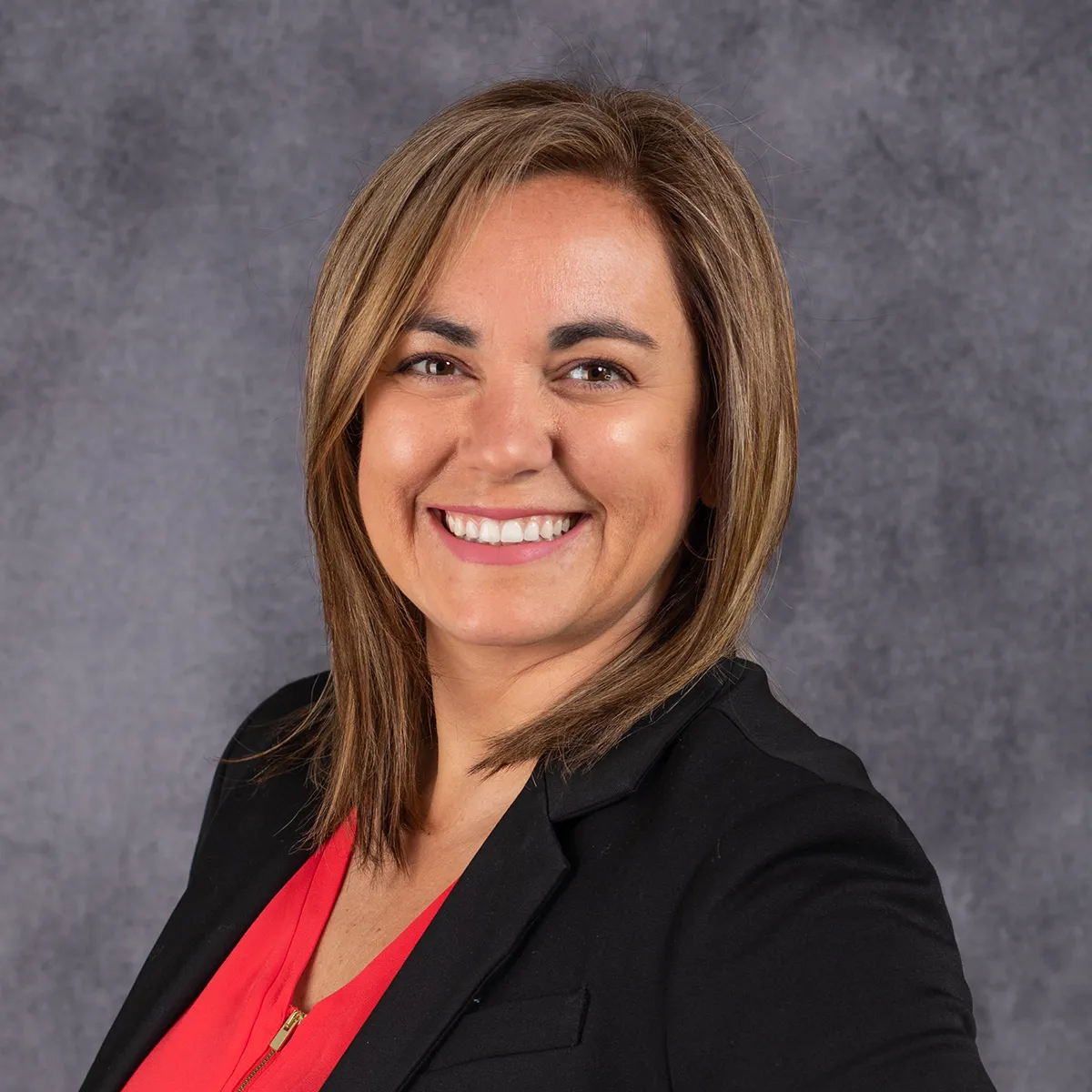
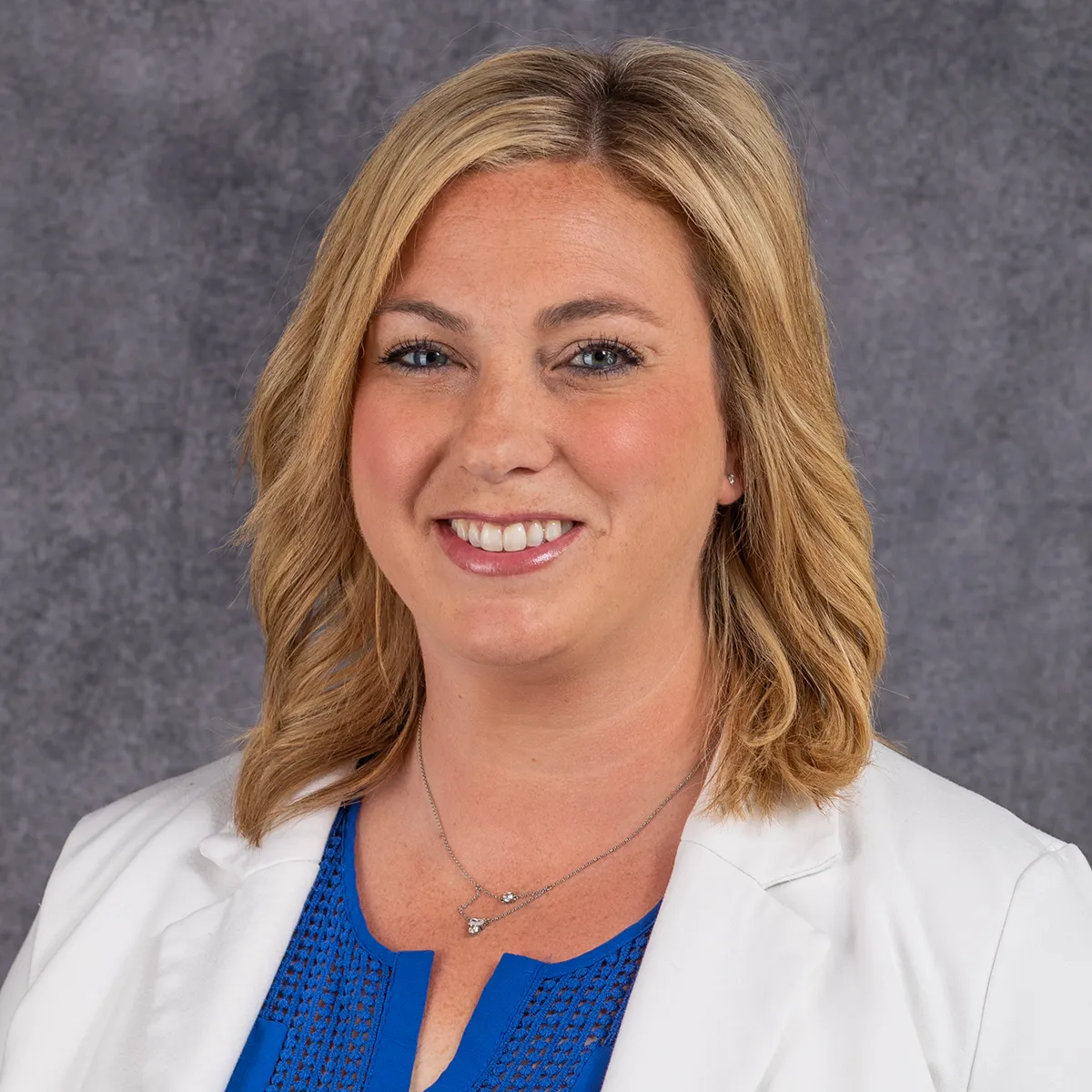
Karine Woodman and Michelle Vesel | 24h Bookkeeper
Places You Can find us




We think you’d also like this

podcast
Aug 24, 2023How to unleash the power of Cost Inbox
Listen to the full episode to hear more about how the new Cost Inbox feature has enhanced this construction company’s financial processes and receipt management.

A contractor’s guide to construction taxes
Learn how builders can improve construction tax accuracy, reduce billing errors and create connected financial workflows with Buildertrend’s tax recognition feature.

Ensuring accurate construction taxes: A guide for builders
Understanding construction taxes is an essential step in managing business finances and staying profitable. Construction finance software can help.