




Restoration hope: Using compassion to help clients find a silver lining after disaster
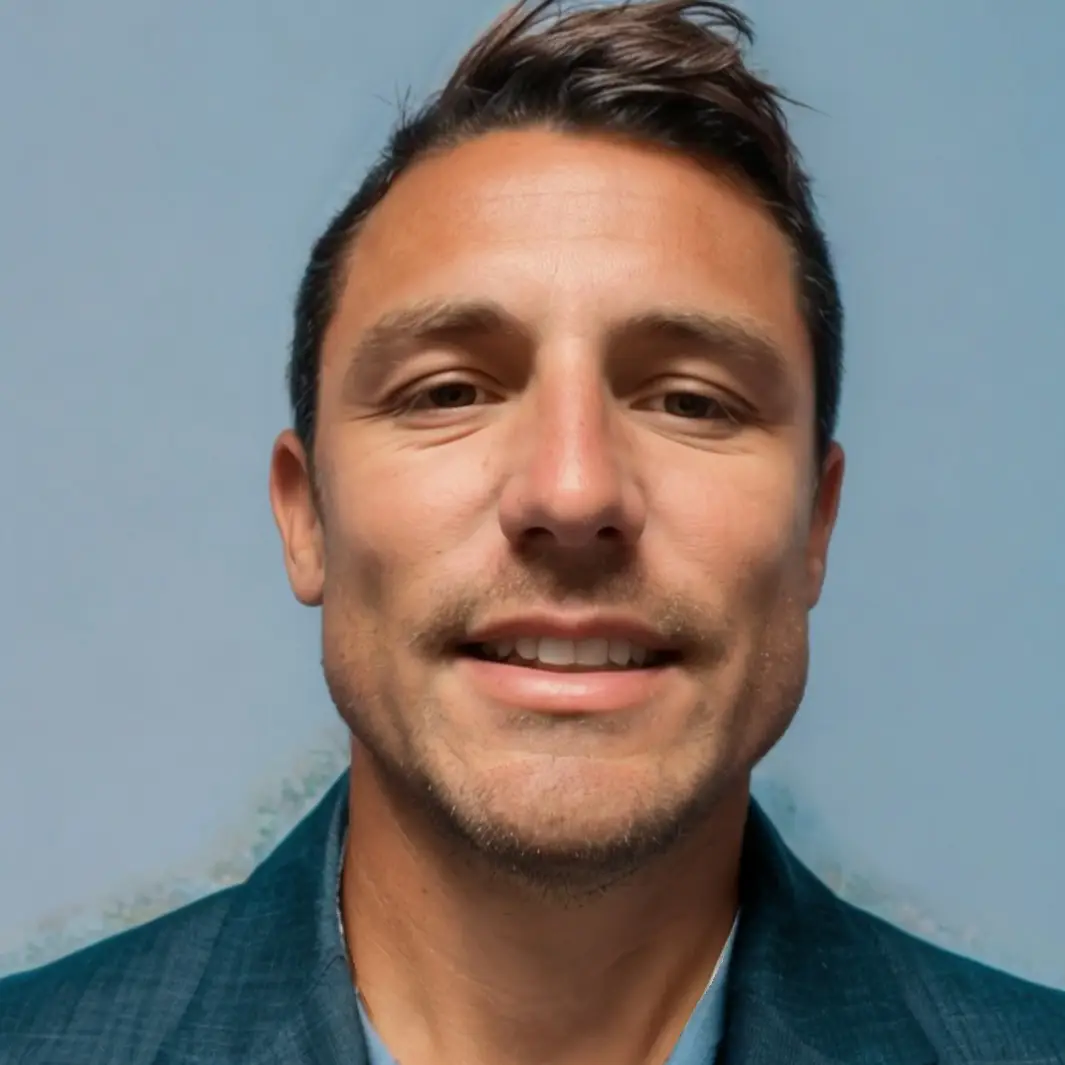
Today on “The Building Code,” Charley and Courtney are chatting with Kirk Hopkins, general manager at National Restoration Technologies. Kirk has been working in his family’s local fire and water restoration business for the past 20 years. Him and his team at NRT help those who’ve had the misfortune of property damage or loss in a disaster. They work hard to deliver a professional and timely turnkey product with a positive outlook to help homeowners recover.
Listen to the full episode to hear about how the team at NRT prioritizes the client experience in order to make a difficult time in life easier.
What does your team do differently to help ensure a better experience for homeowners?
“As a family-owned company, I think we come across as a little bit more compassionate to our clients. That seems to be our niche. We try to focus on the homeowner. We work with people’s insurance companies, but we cater to the homeowner, the insured, more than we do the insurance company. It’s a very different approach for this industry because a lot of companies try to market the insurance company side of it. We take a different approach. It’s been very successful. We’ve been doing it for 25-plus years under the same company name and same ownership.”
What is something you offer to help bring a silver lining to these situations?
“Especially on something we would consider a large loss or a major loss, clients are going to make some sort of modification or change. That’s part of what we offer to our clients is, ‘Hey, look, we’re going to give you the opportunity to make some adjustments and do some things that you probably never would have done to your home if you wouldn’t have had this happen.’ Open up a wall or move a plumbing line around. We try to give those options to our clients as part of the process. Try to turn a bad situation into something that can be a good deal at the end of the day.”
Links and more
Check out their website to learn more about NRT and the services they provide.
Hundreds of construction business owners are seeing an average of 40% net profit increase using this construction budget template created by Breakthrough Academy. Download your free template today.
Related content:
Listen to the last episode to hear from Tim Lansford, leadership expert and business coach, about why there’s a growing desire for community in the construction industry and why networking is one of the best ways to ensure success.
Subscribe here, and never miss an episode.
Got podcast topic suggestions? Reach out to us at podcast@buildertrend.com.
The Better Way, a podcast by Buildertrend:
Looking to add construction tech to your daily processes? On the newest season of “The Better Way, a podcast by Buildertrend,” you’ll get best practices for implementing software and getting your team on board from other industry pros and our experts. Subscribe and stream today wherever you listen to podcasts.
Follow us on social:
Listen to “The Building Code” on YouTube! And be sure to head over to Facebook to join The Building Code Crew fan page for discussions with fellow listeners.
Charley Burtwistle (00:06):
What is up, everybody? Welcome back to another episode of “The Building Code.” I’m Charley Burtwistle.
Courtney Mattern (00:10):
I’m Courtney Mattern.
Charley Burtwistle (00:11):
Courtney, how are you today?
Courtney Mattern (00:14):
You know? I’m hanging in there, just getting to the end of the year. It’s busy, busy times at Buildertrend.
Charley Burtwistle (00:20):
Busy, busy times. Some rumors going around that you were just sick, and that I was the one that you got you sick. Again, ugly rumors. No validity into them at all. But we are very happy to have you back and healthy in the podcast.
Courtney Mattern (00:32):
Yes, that’s true. I’m back. Everybody go get your flu shots because I …
Charley Burtwistle (00:37):
Go get your flu shot.
Courtney Mattern (00:38):
I forgot to get mine, and then got the flu.
Charley Burtwistle (00:41):
Yeah. I got gaslit by my doctor as well, when I went in. They were like, “Have you gotten your flu shot?” When I got sick, it was October. I’m like, “I don’t know.”
Courtney Mattern (00:51):
It still felt so early.
Charley Burtwistle (00:52):
It felt a little early. Yeah. But now, I just technically got a flu shot the hard way by having the full flu.
Courtney Mattern (00:52):
Having the flu?
Charley Burtwistle (00:59):
Yeah. You’re welcome, for now you don’t have to get your flu shot. I got it out of the way for you.
Courtney Mattern (01:02):
You know what I did? I went and got my flu shot anyway.
Charley Burtwistle (01:04):
Really?
Courtney Mattern (01:04):
Now, I don’t know if that makes me double protected.
Charley Burtwistle (01:06):
Should I go do that?
Courtney Mattern (01:07):
Sure. That’s my mom advice.
Charley Burtwistle (01:10):
Yeah. We’re not a medical practice, we do not give medical advice.
Courtney Mattern (01:14):
Don’t take my medical advice.
Charley Burtwistle (01:14):
I want to cover our Ts and Cs here. Happy to have you back. We got some exciting guests lined up for today. Who do we have, Courtney?
Courtney Mattern (01:23):
Today joining us is Kirk Hopkins, the construction general manager at National Restoration Technologies down in Texas. We invited Kirk on because his company, they work with customers who’ve had the misfortune of experiencing a disaster. They’ve lost their home in a fire, a flood. We’ll reference it in the episode, but with natural disasters on the rise, and really the price tag of restoring your home, makes this a top topic to talk about. And what does it mean when you work with a builder who is going to be an advocate for you as you rebuild your home is also a point to make.
Charley Burtwistle (02:05):
Yeah. It’s not necessarily a fun topic, but it is a very, very important topic. Super excited to have Kirk in here, to walk us through some of the ins and outs of what businesses, like builders, should be thinking about in this industry, what homeowners should be thinking about if something like this happens to them. I think him and his business have been in the game for a really long time, so provides a really detailed, thorough explanation and thought process. Yeah. Let’s quit rambling and get Kirk in here, and he can tell us about it for himself.
(02:36):
Hey, Kirk. Welcome to “The Building Code.” Appreciate you making the time to join us today. How’s it going?
Kirk Hopkins (02:41):
Pretty good, pretty good.
Charley Burtwistle (02:43):
Well, I obviously was doing research before you hopped on today, super excited to get to know you a bit more. But for those joining us, listening, that haven’t had the pleasure to meet you before, we always like to kick things off with a quick intro, who you are and where you came from, and how you got to where you’re at today.
Kirk Hopkins (02:59):
All right. My name is Kirk Hopkins. I live in the Northwest side of Houston, Texas. I’m the general manager of my family’s local fire and water restoration business. I’ve been working for the company for the past 20 years. Didn’t think this was what I was going to do. Went to college, played college soccer, thought I was going to do something along those lines. Then thought I was going to get into commercial real estate. Then Hurricane Katrina happened, and I’ve been in the restoration business ever since.
Courtney Mattern (03:37):
What types of restoration projects do you work on?
Kirk Hopkins (03:41):
We’re primarily a residential restoration company. I’d say about 80% of my business is residential work. We have a niche in the fire restoration market. We do a lot of residential fire restoration in the Houston area. Probably do about 75 to 100-plus residential house fires a year. It’s hour specialty. We offer content, we do personal property restoration, along with a full-service general contracting service.
Charley Burtwistle (04:19):
Super interesting. You mentioned that you specialize in fire restoration. How do you balance the need for what you’re providing for your customers with the tragedy that comes with needing something of your service? I would imagine you’re in a tough spot, from a business standpoint, in working with clients through a very, very difficult time.
Kirk Hopkins (04:49):
Yeah. I’ve read some articles that they relate having a house fire to almost a death. Be it a death in the family, just because a lot of people have emotional ties to their stuff, their home. Your home typically being one of your biggest assets. It is an emotional setting, I would say.
Charley Burtwistle (05:13):
Right.
Kirk Hopkins (05:14):
As a family-owned company, I think we come across as a little bit more compassionate to our clients. That seems to be our niche. We try to focus on the homeowner, is really our whole deal. We work with people’s insurance companies, but we cater to the homeowner, the insured, more than we do the insurance company. It’s a very approach for this industry, because a lot of companies, franchises and these bigger national companies, try to market the insurance company side of it. We take a different approach. It’s been very successful. We’ve been doing it for 25-plus years under the same company name and same ownership.
(06:01):
We focus on larger claims. We don’t do a lot of … The problem of being somebody that caters to insurance companies, you have to take the small, little $2,000 toilet overflow, where you got to go in and clean carpet. We’re not geared for that type of business. We’d rather put focus into a few major repair jobs, versus a bunch of volume, thousands and thousands of water losses. It’s just a little bit different approach and different set up for a restoration company.
Courtney Mattern (06:33):
You mentioned that when you got started, you didn’t think that this would be something that you did forever. But then, Hurricane Katrina happened.
Kirk Hopkins (06:40):
Yes.
Courtney Mattern (06:42):
Talk about that a little bit more. What was business like then? Why was that a turning point?
Kirk Hopkins (06:52):
I wasn’t a part of the company when that happened. I had just graduated college within about four months from then. Actually, I graduated in the spring, Katrina happened in early September. Yeah, I was fresh out of college. I actually went and got my real estate license. I was about to take an internship with a commercial real estate company. Then, Hurricane Katrina happened. We had a contact with the University of New Orleans, one of my reps had a contact there. They reached out to us looking for some help. We ended up going over there and doing some emergency mitigation.
(07:29):
My dad came to me at the time and was like, “Hey, I need somebody over there that I can trust. I need to put somebody there that can be the eyes and be on the ground for the company.” I was fresh out of college, and had no commitments in Houston, so I was like, “Sure, I’ll go.”
Courtney Mattern (07:44):
Yeah.
Kirk Hopkins (07:47):
I went, and never turned back, never got out of the business since then.
Courtney Mattern (07:52):
Are there any lessons you learned on the ground there that still apply to how you’re doing business now?
Kirk Hopkins (07:58):
Yeah. Organizationally, that was a major catastrophe. I was 23 years old at the time, and was in Downtown New Orleans, looking out over buildings and seeing a 150-foot-boat sitting in the middle of Canal Street was pretty incredible. It was eye-opening to me to the amount of need for the business we’re in. I learned a lot about the situation people were put in. There were people living in tents. It was just crazy. I’ve never experienced something that tragic. We were really just helping commercial clients at that time, just trying to get facilities back up and buildings back up and running. You had to check in with the National Guard just to get downtown in New Orleans at the time, so it was pretty crazy. Saw a lot of things that were not very pleasant.
But like I said, I love the business, I love helping people, and just being involved. It was pretty rewarding, at the end of the day. This business can be rewarding. I know it’s tough on the front end, but we got a lot of people, at the end of the day, we turn a bad situation into something that’s pretty good for them, for their families.
Charley Burtwistle (09:20):
Yeah. I’m excited we have you on today. I am, Courtney can attest to this, very uninformed in a lot of things in the construction industry even though I work here at Buildertrend, which makes me what I think is a good podcast host because I ask a lot of questions.
Courtney Mattern (09:37):
He’s endlessly curious.
Charley Burtwistle (09:38):
Endlessly curious, yeah. I’m curious about what you’re describing is very different than a traditional residential home builder that we would have on, that has the luxury of a very long presale process and going back-and-forth with their client.
Kirk Hopkins (09:51):
Yes.
Charley Burtwistle (09:51):
Obviously, you’re working on a lot tighter timeline, where they potentially don’t even have a place to live, and you have to get things going right away. How do you balance that crunched timeline between we need to help these people right away with still making it a good experience for them, and building the things that they want, and things of that nature?
Kirk Hopkins (10:13):
Yeah. A lot of this is communication. Like you said, you don’t know anything about this business. The people that are going through it don’t typically know anything-
Charley Burtwistle (10:22):
Right.
Kirk Hopkins (10:23):
… business. A lot of what we do as a company is educate people on what the process is. Educate them on what their options are, and how the process should work. Because, unfortunately, there’s a lot of companies out there that don’t tell them truly the full process. Maybe it just benefits the way they do business.
(10:48):
A little background on my company. My father came from being a licensed public insurance adjuster. He came from the adjusting side of it, for working for the policy holder. Which is, I think, how our company is set up differently.
Charley Burtwistle (11:04):
Right.
Kirk Hopkins (11:04):
It makes sense. It’s more of an approach of looking out for the insured and making sure that the insurance companies are telling them the true options, taking care of them, addressing the true damages, and not just trying to save a buck at the end of the day. Because that’s not how we operate, and that’s not doing the homeowner or the insured any benefit at the end of the day. It’s a tough process because sometimes it takes a lot of arguing with insurance companies and going back-and-forth. Some people don’t understand that can delay things and take some time. At the end of the day, if you’re willing to take that time, you’re probably going to end up with a better product at the end of the day.
Courtney Mattern (11:51):
Yeah. I think that’s great that, when your homeowners work with you, they know that they have an advocate, and with your dad’s background, probably understands there’s nothing more confusing … I can say this as a grown-up. There’s nothing more confusing than insurance claims.
Kirk Hopkins (11:51):
Sure.
Courtney Mattern (12:05):
And working through them.
Kirk Hopkins (12:06):
Yeah.
Courtney Mattern (12:07):
What kind of role does your team play then in communicating with the homeowner you involved right from the get-go? Do they have someone that they work with the whole process?
Kirk Hopkins (12:19):
Yeah. Typically, they’ll meet with one of our consultants. One of my sales consultants will go out. They’ll either get in contact with us, or somebody will refer them to our company. We’ll go out and do an initial onsite assessment of what the damages are, explain to them what the immediate needs may be. May it be boarding up the doors and windows, it may be ripping out wet carpet and material. Just doing some emergency-type services that we offer on the front end.
(12:49):
Then unfortunately, a lot of times it’s a wait and get the insurance company out to assess, and meet adjusters, and get assessments from AC companies. And get engineers involved. Some claims are super complex, some of them are pretty straightforward. It depends on the insurance company you’re dealing with, and a lot of different things.
Courtney Mattern (13:14):
Yeah. We brought you on because we were curious, Charley and I were just looking at some stats, some government stats. We’ve had 24 natural disasters in the US this year, causing $1 billion worth of damage. That’s a lot of restoration projects for builders out there. Obviously, you’re handling things like house fires. But when there are these natural disasters that hit your communities, how do you prioritize that work? How do you make sure that your company is mobile and ready to take on a big increase in projects if your entire area is hit?
Kirk Hopkins (13:56):
Yeah. We’ve been, fortunately, unfortunately I guess for Houston’s sake, we’ve been hit with flood after flood, after hurricane, after freeze that blew through town with sub-zero temperatures. Tornadoes, you just name it. We’re accustomed to it. We’ve been doing this for 25-plus years. We’re not a company that’s going to go and bite off more than we can chew. We will set limits on how many projects we’re going to take on. We’re not going to try to overextend ourselves. It’s one of those things, unfortunately.
(14:35):
During the freeze, I’ve been doing this for 25 years, we had people calling us saying, “Oh, we’ll wait three months for you guys to come out and help us.” Normally in this business we tell somebody, “You’re going to wait three days,” they’re going to find somebody else. It’s just the size of the event really determines … Some of that, like on a flood event, the immediate need is just ripping the stuff out. There’s volunteers that come in. People’s family help out. A lot of that gets done on the front end. But then, they get stuck trying to find a good company to help them put it back together down the road. Those are the deals where we may not help them out on the initial stage of it, but then we come in and help put their house back together two, three, four months later, just depending on the catastrophe.
(15:29):
We try not to do more than we can. Obviously, we have contacts. I’ve got a sub-base of guys, I could get 100 guys out doing demo and tearing out stuff within a day of making phone calls. We have the capability, it’s just physically taking over, seeing the jobs properly down the road, we’re not a company to try to do more than we can.
Courtney Mattern (15:29):
Yeah.
Charley Burtwistle (16:00):
Right. I’m curious when these big natural disasters come in and hit, unfortunately, a large majority of people all at once, what does that timeline look like? From you’re watching the news or something, and you see a hurricane rolling in or a tornado rolling in. Then, obviously, a horrible, devastating disaster. Are you boots on the ground the next day? Do you have people calling into you?
Kirk Hopkins (16:23):
Yeah. Phone calls pretty quickly. It just depends on the event. Sometimes we can have guys out, helping with initial cleanup within hours.
Charley Burtwistle (16:34):
Right.
Kirk Hopkins (16:34):
Within a day of the storm blowing through. Sometimes you just logistically can’t even get anywhere. There’s been a few events, like that freeze event. Nobody could even get on the roads for three days because, God forbid, you have a little bit of ice in Houston and nobody knows how to drive.
Charley Burtwistle (16:53):
Right.
Kirk Hopkins (16:53):
They shut down the roads. It just depends. A storm blows through Galveston, and you can’t even get onto the island. Some of that logistically, you can’t get to things right away. But yeah, we’re set up to get to the jobs within a day or two of things like that happening typically.
Courtney Mattern (17:18):
When you’re working on these restoration projects and rebuilding, are there special considerations you’re making to build back something that’s even better or that’s more resilient, given the uptick in these disasters that we’ve seen?
Kirk Hopkins (17:35):
Yeah. I would say, I’ve probably been a part of 2000-plus residential home repairs in the years doing this. I’d tell you we probably put back a handful of them the same way they were, when it comes to the finishes or to the overall job. Everybody, especially on something what we would consider a large loss or a major loss, they’re going to make some sort of modification or change, move some things around. That’s part of what we offer to our clients is, “Hey, look, we’re going to give you the opportunity to make some adjustments, and do some things that you probably never would have done to your home if you wouldn’t have had this happen.” Open up a wall, or move a plumbing line around, just because they don’t have the opportunity. We try to give those options to our clients as part of the process. Try to turn a bad situation into something that’s, again, can be a good deal at the end of the day.
Courtney Mattern (18:33):
I know post the last storm that hit Houston a few years back, it was along with the freeze. A lot of the people were talking about what energy systems they had in their house for power or backup generators.
Kirk Hopkins (18:48):
Right.
Courtney Mattern (18:48):
Even here in Omaha, last spring we had a big tornado blow through. I think there were 30 or 40 homes that went down. Are there recommendations you’re making to homeowners for, whether it’s products, enhancements that you’re recommending is they rebuild their homes?
Kirk Hopkins (19:08):
Absolutely. You get into these older homes built in the ’60s, ’70s, they got old single-pane windows, and bad insulation. Not well-insulated. Bad designed AC systems. A lot of these people were able to go in, and as part of the repairs, get things put up to code. New electrical systems that have hire-wired smoke detectors. That’s a big thing when you’ve had a house fire. You want to make sure that your home is put back together safe. I’ve seen a lot of these where people don’t even have functional smoke detectors in their home, reliant on battery backup systems. There’s a lot of building code.
(19:52):
Energy efficiency wise, a lot of these jobs, we have to take the entire roof structures off. They end up going back with radiant barrier on the roof decking, when they just had old plywood. Just little things that make a big improvement. Some of these homes, we’ve converted to spray foam, having spray foam insulation installed. Just some different options to these clients, as we put them back.
(20:19):
A lot of times, it’s beneficial because the insurance company is picking up 80%-90% of the bill for what they had before. They may have to throw in a little bit of money to upgrade some of that stuff, so it makes sense.
Courtney Mattern (20:32):
Yeah, absolutely.
Kirk Hopkins (20:32):
Where, if they were to have done it on their own, it would have cost them 100% of that.
Charley Burtwistle (20:34):
Right.
Courtney Mattern (20:35):
Yeah. Get your smoke detectors upgraded and checked.
Kirk Hopkins (20:38):
Yeah.
Courtney Mattern (20:39):
It’s a small thing.
Kirk Hopkins (20:39):
Yeah. Those are building code things.
Courtney Mattern (20:43):
Yeah. Your builders should watch out for.
Kirk Hopkins (20:46):
Yeah. A lot of insurance policies will cover code upgrades. They have an endorsement on the policy that’ll cover additional cost to bring things up to code. Not every policy has that, but I’d tell you to check your policy to see if it does. Because it can be some of them have an additional $20, $30, $40,000 worth of coverage that’s there to help bring an older home up to current code.
Courtney Mattern (21:11):
That’s cool.
Charley Burtwistle (21:12):
Do you have any, or have you seen any, or do you recommend any advice for homeowners or business owners that live in disaster-prone areas, of ways they can be proactive about expecting some of this damage, or minimizing damage that could potentially come down the road? Are they just the risk you take when you live in one of these areas?
Kirk Hopkins (21:34):
Yeah. Obviously, I’d tell you a newer-built home that’s you know that’s been hurricane-proofed, it’s got impact windows, and has been built on new piers versus an older home … I don’t if you’ve ever seen a town where there’s one new home that’s standing, and all the old homes around it are gone just because they were built more stringent than they were back years ago. But I’ll tell you, disasters, they don’t pick an area or a place unfortunately. When you have a category five storm blow through, unless you’re in a cement building that’s built for emergency response building, they built to withstand a category five storm, there’s not much you can do. You never know where it’s going to hit. That’s an unfortunate part of it.
Courtney Mattern (22:32):
Yeah. I feel like with a lot of the storms … Early in my career I worked in news, and I remember covering a 100-year flood, the first time in 100 years. This is the 50-year tornado event. Even, I’d lived in my whole life in Nebraska, and always joked that tornadoes skip over Omaha. Then this year, one hit.
Kirk Hopkins (22:32):
Right.
Courtney Mattern (22:55):
With that being said, if we know restoration is probably a part of life with homeownership, I guess one of the best things we can do, at least at Buildertrend, is help business owners and construction companies be ready to run efficiently so you can help as many people as possible.
(23:12):
Are there any, I don’t know, operational efficiencies that you feel like have been a game-changer for your team, or tech tools? It doesn’t have to be Buildertrend. But anything you’re using lately or adopting, that has helped?
Kirk Hopkins (23:24):
I will tell you, Buildertrend has been a tremendous help for our business. When I started doing this 20-plus years ago, I drove around with a key map and a walkie-talkie Nextel phone that people could basically talk in your pocket if you weren’t careful. The technology enhancement of being able to track these jobs, from a construction management standpoint.
(23:53):
I’ll tell you, from the insurance world, documentation is a very, very, very important part of what we do. Being able to track photographs and put daily notes of additional damages and document that stuff on Buildertrend has been a game-changer for us. Because we can go back, and go back to the insurance company and say, “Look, here’s all the photographs, here’s all the additional damages we discovered,” and go back and supplement that cost to the carrier, and it’s not something that the homeowner has to pay. It’s helped a lot because when you have 100-plus jobs like this going on a year, if one of your project managers, if they would have forgot to download the pictures off their old digital camera, then it was a problem. But now, they can snap a few photos, make a daily note on a job board, and we’re able to go back and track that stuff pretty easily. It’s been very helpful.
(24:56):
It’s helped for us to see the progress of where the jobs stand because we have to get inspections for mortgage companies to get monies released. It’s just very helpful for us to track everything from the office. Our old system was have a meeting and ask everybody where the job was. “Where do we stand on this project?” It’s been game-changing for that aspect.
Courtney Mattern (25:22):
Great. Love to hear it.
Charley Burtwistle (25:24):
As we’re wrapping up here, Kirk …
Kirk Hopkins (25:26):
Sure.
Charley Burtwistle (25:27):
Hopefully a happier note to end on here. This is a heavy subject, as you mentioned earlier. Loss of a home is like a death of a family member, and things of that nature.
(25:37):
But on you helping families, what gives you the most pride in the company that you’re working at today? Especially when it comes with, again, helping families and businesses rebuild after these devastating events.
Kirk Hopkins (25:51):
I feel like we’re a good advocate for homeowners. Like I said, giving people good advice on what their options are. At the end of the day, I’ve seen some of the products we’ve turned into people. Turning their home into something that there is no roof on their house, and at the end of the day, you walk in, and they’ve got probably the nicest, most up-to-date home in the neighborhood now. We’re helping fix their house, we’re helping them put value back into their home, something that they may sell down the road. We just feel good about that as a company.
Courtney Mattern (26:27):
Yeah. They get to come home again.
Kirk Hopkins (26:29):
Yeah.
Courtney Mattern (26:29):
And start making memories, and rebuild, literally and figuratively.
Kirk Hopkins (26:33):
Yeah.
Courtney Mattern (26:33):
That’s great. Well, thank you, Kirk. Thanks so much for coming on. Thanks so much for sharing about your company and your business. It was so great to have you on.
Kirk Hopkins (26:43):
All right. I appreciate it.
Charley Burtwistle (26:44):
Thank you, Kirk.
(26:46):
Well, Courtney, we just heard from Kirk Hopkins, talking about the National Restoration Technologies, his company. And going in after these natural disasters and restoring these homes, businesses, places that people live, through an incredibly difficult and tough time for them. I thought it was honestly inspiring, the way he looked about this in wanting to be an advocate for the homeowner, and make sure that they’re informed, and do the best job that they can do to not just build it but build it better than it was before.
(27:16):
Curious to hear what your perspective was?
Courtney Mattern (27:19):
Yeah. I think it’s interesting how he said this wasn’t really the career he thought he was going to stay in.
Charley Burtwistle (27:19):
Yeah, classic.
Courtney Mattern (27:24):
Yeah. But getting his start, experiencing Hurricane Katrina.
Charley Burtwistle (27:28):
Yeah, wow.
Courtney Mattern (27:29):
That really would put any home builder through the wringer, anybody working on restoration projects or doing any type of volunteer work. But I think he makes a great point of his role as an advocate for the homeowner and advocate for the customer. Making sure that, they’re going through this hard process, and that they understand their insurance coverage, that they have someone who’s going to make recommendations to build their house back better than it was, so that it’s more resilient heading forward. It almost turns something that’s horrible and devastating for their family into a silver-lining possibly. Having an upgraded house, having new features that makes their home even healthier for the second time around.
(28:14):
We can try to say, “How do you avoid a storm like this? How do you avoid getting your roof ripped off?” That’s life. You can’t pinpoint when the next disaster is. But you could be better prepared or more educated about which builder that you’re working with.
(28:30):
I think it’s great that they’re having so much success with Buildertrend from a documentation process. From a way to stay operationally excellent, so that they can take on as many clients as possible.
Charley Burtwistle (28:41):
Yeah.
Courtney Mattern (28:41):
I can imagine, in Houston he said, a three-month wait for some of those projects. You better hope that you’re working with a construction professional who is trying to be as efficient as possible with their time and still deliver a quality product.
Charley Burtwistle (28:54):
Yeah. I kept thinking of this imagine in my mind of the Bat Signal. A natural disaster comes through, they put up the Bat Signal for Kirk and his company, and they just come swooping in, try to help as many people as they can.
Courtney Mattern (29:07):
Yeah. On the outskirt, I don’t know if it’ll make it into the final episode, but we were chatting with him and he said, “I’m an emergency home builder.”
Charley Burtwistle (29:13):
Right.
Courtney Mattern (29:14):
A lot of our builders have that luxury of preparation, and time to plan. No, he gets called on the spot. A big disaster rolls through his area, they have to be ready, and they have to have all that knowledge, and 20 years of experience at their fingertips.
Charley Burtwistle (29:29):
Yeah. We could easily do another 20 minutes with Kirk, for sure.
Courtney Mattern (29:33):
Yeah.
Charley Burtwistle (29:33):
I loved the way he was talking about what builders can do to prepare themselves to move as quickly, as efficiently as possible. And working with the homeowner, advocating for them with the insurance companies as well, too. But also, things that the homeowner can do, of making sure that they understand what their claims are. Making sure they have the appropriate coverage for the home that they’re currently living in. This is just, if it happens, it’s such an awful thing to happen, so you just have to make the best of it. People like Kirk do a fantastic job making sure that they do as much as they can.
Courtney Mattern (30:04):
Yeah. This episode, we’re headed into 2025, it’s the end of the year. I think there’s another valuable lesson in here, too. That’s client education, and being that advocate, whether you are doing restoration services or building new homes, you can provide exemplary service that sets you apart and helps you compete just by being someone willing to educate your homeowner and helping them make good decisions.
Charley Burtwistle (30:32):
Very, very, very well said, Courtney. Well, I think that’ll about do it for us here at “The Building Code.” As always, if you’re listening and want to help us out, you can like, review, and subscribe to the episode. Join The Building Code Crew on Facebook. Send a letter, send some fan mail to Courtney, letting you know how much they love listening to you.
Courtney Mattern (30:49):
You know that there’s a rumor about “The Building Code,” right?
Charley Burtwistle (30:53):
Really? What’s the rumor?
Courtney Mattern (30:54):
I’ll just drop this here at the end. There is a rumor that we’re coming soon to a TikTok near you.
Charley Burtwistle (30:59):
You’re kidding? Just kidding, I knew that. Very exciting. Watch this space for that.
Courtney Mattern (31:04):
Watch out.
Charley Burtwistle (31:06):
Watch out. Until next time, I’m Charley Burtwistle.
Courtney Mattern (31:08):
I’m Courtney Mattern.
Charley Burtwistle (31:09):
Peace.
Kirk Hopkins | National Restoration Technologies
Places You Can find us




We think you’d also like this
Rebuilding communities, restoring hope: How builders are coming together to support hurricane relief
Here’s how local home builder associations in Florida, Georgia and North Carolina are making a difference – and how home builders can get involved.

Planning for when disaster strikes
When an emergency situation arises on your jobsite, are you ready for it? Learn how proactive planning will make you feel equipped to handle disasters.