




Hard hats and handshakes: The power of community in construction
On this episode of “The Building Code,” Charley is flying solo with guest Tim Lansford, leadership expert and business coach. Over the last 20 years, Tim has presented keynote speeches, workshops and seminars to many different industries. Prior to becoming a full-time professional speaker, he was a highly successful entrepreneur. His successes include experience in industries such as building/remodeling, real estate investments and manufacturing, among others.
Tune in to the full episode to hear more about why there’s a growing desire for community in the construction industry and why networking is one of the best ways to ensure success.
What are some key strategies for building lasting connections?
“Networking to me is a relationship. And I tell builders that. I tell them you’ve got to be present. A lot of people show up, they go once or twice, they don’t get anything out of it, and they don’t go back to the association. And they say, ‘Well, I didn’t get anything out of that.’ Well, did you try? I say, ‘Sometimes you have to put in the time to be able to connect.’ And another one is, they try to get 20 people in a networking event. But the best way to do it is to pick out three and nurture those relationships and let those three introduce you to the other 30. Let them introduce you because it’s giving you your own little referral.”
What is the importance of authenticity when making connections?
“If you’re not authentic, you’re not going to build trust. I mean, we are all super sensitive now. We can see people through that instantly if they’re not authentic. So, when you’re networking, you’ve got to figure out how to create a scenario where you say, ‘I like this guy.’ And the only way you’re going to be able to do that is by being authentic, going for those deeper connections and building that long-term relationship. Because if you’re just going around and picking up business cards, you’re not going to remember them the next day, and that networking is never going to work. If I could tell anybody is just to bring back five business cards. That’s all you want.”
Links and more
Check out his website to learn more about Tim and his resources.
Send Tim an email to get in touch.
Hundreds of construction business owners are seeing an average of 40% net profit increase using this construction budget template created by Breakthrough Academy. Download your free template today.
Related content:
Subscribe here, and never miss an episode.
Got podcast topic suggestions? Reach out to us at podcast@buildertrend.com.
The Better Way, a podcast by Buildertrend:
Looking to add construction tech to your daily processes? On the newest season of “The Better Way, a podcast by Buildertrend,” you’ll get best practices for implementing software and getting your team on board from other industry pros and our experts. Subscribe and stream today wherever you listen to podcasts.
Follow us on social:
Listen to “The Building Code” on YouTube! And be sure to head over to Facebook to join The Building Code Crew fan page for discussions with fellow listeners.
Charley Burtwistle (00:05):
What is up everybody and welcome back to another edition of “The Building Code.” I’m your co-host, Charley Burtwistle, and I’m your co-host, Charley Burtwistle. Yep, that’s right. We have a solo Charley Burtwistle episode today. I know that’s everybody’s favorite, including my own. Just kidding of course. I miss Courtney dearly, but she’s off across the U.S. out in California today actually at a TechHome summit, so I’m sure I will have a lot to catch up with her about when she gets back.
(00:35):
But for now, making up for Courtney not being here, we have a fantastic guest, Tim Lansford. He’s a professional speaker, he’s a corporate trainer, a business coach and consultant. He also has a building company, he has a real estate company, and we’re going to be talking about networking today. That’s something that we’ve hit on a lot before in “The Building Code” episodes, something that the construction industry is really, really leaning into over the past three, four, five, 10 years.
(01:02):
Where it used to be really, really siloed, now people are realizing the power of networking, the power of connections. We’re trying to do our part with our different Buildertrend universities, and we go to a lot of conferences as well, too, connecting like-minded people that want to grow and scale and just become better business owners and better individuals. So, super excited to talk to Tim about some of the power that comes with these different networking opportunities and how to get better at it. So, without further ado, let’s get him in here. Hey, Tim. Welcome to “The Building Code.” Really, really appreciate you making the time today. How’s it going?
Tim Lansford (01:34):
Wonderful. How are you doing today?
Charley Burtwistle (01:36):
Doing fantastic. Fired up for this interview. I was going through your website before this and a ton of very, very valuable experience and a man of many talents it seems, so I’m excited to get to know you.
Tim Lansford (01:47):
At least I have it on my website. It makes me look important. ChatGPT does a lot of that stuff nowadays. I’m just kidding. So, lots of experience. I dye the grey for business purposes.
Charley Burtwistle (02:00):
Smart.
Tim Lansford (02:02):
So, I’m probably only 23. That’s my story. I’m sticking to it.
Charley Burtwistle (02:03):
Yeah. Should I look into that? Would people maybe take me a little bit more professionally?
Tim Lansford (02:08):
You might.
Charley Burtwistle (02:10):
That would be awesome. Halloween just passed. That could have been a good excuse to beta test and see how people react. But for those people that haven’t had the opportunity to get to know you on your website, we always like to kick off our guests here with just a quick little intro. I’d love to hear a little bit about your backstory, what you did, where you came from, and kind of how you got to where you’re at now.
Tim Lansford (02:30):
Yeah, not a problem. I’ve been doing this … I pretty much have three companies, and my three companies consist of … I’m a builder down here in Dallas, Texas. I have a real estate company and then I have a corporate training company, which coincides with me doing keynotes and speaking across the country for anywhere from the construction industry all the way up to Fortune 500 military government and all that stuff. So, I do a lot of different things.
(02:57):
So, I’ve been doing this for years and years and years. Just sort of a long story how I stumbled into it, but it was sort of a random, wasn’t planned. I didn’t grow up in a family business or anything. I was a business person that got into the construction industry and the real estate and coincide that with marketing companies and all these different companies I’ve had over the years. I’ve sort of narrowed it down to three now I think. But I still do a lot of marketing consulting, business coaching and all that stuff out of my training company.
Charley Burtwistle (03:29):
Yeah, that’s awesome. And that’s one of the reasons that we were super excited to have you on today is you’re kind of in the perfect intersection of the Venn diagram of people we like to have on the podcast. Obviously, we have a ton of people in the building industry, either customers or suppliers or partners, subcontractors, people of that nature to really focus on the construction side. And then we really like to bring in just subject matter experts in business growth, personal growth, motivation and networking and a lot of things that we’re going to talk about today, and you have experience in both. I’d actually like to lean a little bit more on the latter there and talk a little bit more about how you got into the business coaching, consulting side of things.
Tim Lansford (04:10):
Yeah, it’s one of those things that I grew up with a sort of microphone in my hand years and years ago, being a club DJ, back when I was in my youth getting on the radio, as radio gigs and done all this stuff for all the beer people and all the on-sites and all that stuff. And that sort of grew into going into corporate training and doing that. It was just sort of a natural transition because people … I’m a hundred percent extrovert. I know it comes as a shock to you, but getting up in front of the crowd, I was the always person like, “Come here, let me have the microphone.” And that turned into just sort of a speaking. And then one day I noticed that I was doing a lot of speaking, and there was another gentleman that I was always on the stage with.
(04:59):
Me and him were booking the same conferences and all this stuff and finally I came up to him, I said, “Hey, let’s go sit down. I’m going to buy you lunch next week because there’s one thing that’s reoccurring theme and there’s one thing that’s not.” I said, “The reoccurring theme is we’re hitting the same stages all the time. The second thing is you’re getting paid. I’m not. So, we need to figure that stuff out.” Because it was For me, it was my fun. That’s sort of my giving back to the world is be able to speak and all this stuff. And then that turned into a speaking business. It’s a long time ago and then that turned into clients across the country, executive coaching, consulting and all this stuff, and it just sort of progressed from that.
Charley Burtwistle (05:36):
That’s awesome. I still remember when I was in college, we had a college career center, and they would do different events to help young kids figure out what they wanted to do. And the first thing they said is … The main thing that stuck with me is step one, figure out what you love to do. Step two, figure out how to get paid for it. And that sounds like your natural progression.
Tim Lansford (05:56):
We all get started because of passion and all of that. And then you’re like, “Well, I really want to do this. Let’s figure out how I continue down this path.” And if you’re going to continue on down this path, then ultimately, you figure that out. It goes with it. And it’s not like making money. It’s not even like going out. I mean I feel bad billing people sometimes because I just have fun hanging out at conferences and meeting people and I’m like, “I got to send you this invoice, sorry.” But I enjoy it. I love it.
Charley Burtwistle (06:23):
Just apologetic.
Tim Lansford (06:24):
So, I love giving back and I think that’s one of the big things. You got to give back. And I’ve been blessed with a lot of experiences in my life. A lot of … I don’t even have enough paper or enough bytes on the website to list everything that I’ve sort of had my fingers in over the years so.
Charley Burtwistle (06:40):
Yeah, that doesn’t surprise me at all. One thing I’m curious about is, so you have the building and the real estate company and then you have this business coaching consulting company as well, too. Are you primarily coaching people in the building real estate industry or are you kind of across a variety of different industries?
Tim Lansford (07:00):
No, I’m across various industries and stuff. Like I say, I’ve started out … In my training company, I do so many different industries and governments, so I have a lot of people that are in the construction industry, but I have corporate execs that I do it with … I work with a lot of HR departments doing consulting and executive coaching for some of their problem kids. Sometimes they do that. That’s one of the things, their last-ditch effort, they’ll put executive coach with them to see if they can straighten out and correct some bad habits. But across the board on everybody from Fortune 50 all the way down to mom and pop construction.
Charley Burtwistle (07:38):
I love that and I’m sure you would agree with that, but one of my favorite things about getting to host this podcast is getting to talk to people across all sorts of different industries. And I feel like no matter what industry you’re in or even what company you’re in, you always feel like the problems you’re facing are the first time anyone’s ever faced those problems in the entire world. And I’ll be coming in from a big boardroom meeting where we’re all talking about the world is following and blah, blah, blah, and I’ll talk to somebody that’s a remodeler out in Canada or whatever, it couldn’t be on polar opposite ends of the spectrum. And I’m like, “Hey, what you’re describing is exactly what we were just trying to solve right here. Tech, construction, mom and pop, printing, manufacturing.” They’re all so interconnected, and I love people like you that doesn’t confine themselves to one specific vertical and say, “Hey, I can share learnings across the vast horizon of different industries that I’ve worked with before.”
Tim Lansford (08:31):
Right. And I think that’s where it comes in play is to be able to give back and have that knowledge. I mean, here’s the big thing for me, a lot of my stuff’s based on experiences because I have touched … I’ve been in, I don’t even know, 17 to 20 different industries over the course of corporate and side companies and doing things, hiring people and setting up telecommunications, packaging, food, restaurant, clubs, everything and all of the above. So, I have such a diverse background that really lends to the coaching to be able to tell people because people come up with things, and you’re exactly right, and I get this when I’m teaching one of my classes that we start asking question what’s going on?
(09:15):
And lo and behold, I said, “There’s usually about seven things that everybody has going on across everybody, but they think it’s their own problem. And once they figure that out, man, they’re engaged.” They’re like, “What do you mean? Everybody’s got this problem?” I’m like, “Everybody’s got this problem.” And everybody thinks, “Oh, I’m a small company.” Especially in the construction industry. “I’m a mom and pop place.” Well, 80% of the people out there are mom and pop that have less than eight and five people, and that’s the general is. And a lot of people don’t understand that they fit in a box somehow, and it works out really good once they figure it out because it changes their mindset and their perception of who they are.
Charley Burtwistle (09:58):
Yeah, absolutely. And I think what you just hit on right there is a perfect kind of segue is changing the perception and realizing that there’s a different way to do things. I think one of the key topics that we want to hit on today is the power of networking. And that has just been a dramatic … Even I’ve been hosting the podcast the last four or five years or so, a dramatic shift I’ve seen across the construction industry over that same timeframe is the buy-in the mindset shift, the realization there’s a better different way to do things and the power of that connectivity.
(10:29):
Before it was a very, very fragmented industry where everyone thought they had their own trade secrets, and they had their own subcontractors they didn’t want to share, and they had their own way that they went about estimating and financing. And slowly and surely you start seeing these different conferences pop up in these different builder 20 groups in these different power 30 groups and contractor coalitions and all these like-minded people coming together, sharing what’s worked, sharing the things that haven’t worked and ultimately elevating everyone up together. So, I’d love to hear your take on the power of networking, maybe some key strategies for building these lasting connections, specifically in the construction industry but across all industries as well, too.
Tim Lansford (11:08):
And I’ll reference the construction industry, and we’ll blend into that. One of the first things that I tell people about networking is … And we have so many people that join associations and stuff that are new, and I’m members of … I think I’m a member of … I don’t even know all the different associations. I won’t take up airtime for that, but 10 associations I’m a member of, and we do network in each. And one of the big things is that people try to expect too much coming in. Especially in the construction. I see associates show up, and they’re like, “Hey, I joined, so I need all your business as a builder.” So, they’re coming to me and going, “Well, I joined the builder association, so how do I get on your bid list?”
(11:52):
I’m like, “Well, you can get on my bid list, but just telling you I don’t always go with the lowest price. That doesn’t mean you’re going to earn my business.” And what it is basically networking to me is its relationship. And I tell them that. I tell them in all associations that if you can’t develop a relationship with them and that’s when it’s going to happen, you got to be present. A lot of people show up, they go once or twice, they don’t get out anything out of it, then they don’t go back to the association. And they then, “Well, I didn’t get anything out of that.” Well, did you try? I said, “Sometimes you have to put it in the time to be able to connect that because you have to establish that connection, that thing where I trust you, so my walls come down because just because you’re talking to me doesn’t mean I trust you.”
(12:40):
And then at that point you go through the process of people make the big mistake. And another one while it’s on my mind, I’ll say is they try to go for volume, and they try to get 20 people in a networking event. And the best way to do is pick out three and nurture that relationship and let those three introduce you to the other 30. And then that’s giving you sort of a pat on the back saying, “Oh, this guy’s really good. I’ve been talking to him, I’ve talked to him in the last three networking sessions. I’m sort of handholding.” Let them introduce you because it’s giving you your own little referral.
(13:15):
And sort of like I pitched in a lot of my classes back in the nineties when I was getting started in this business, I always had business cards that had blank backs and I would always write on the back saying, “This is the company that I told you did such a great job on my house.” And I would write it on 30 cards and then I would go out to the galleria, and I would just throw them down on the floor, leave them on benches, leave them there and people would pick them up. So, instantly you’re giving yourself your own referral based on your business card and they’d always call me, “Well, my friend referred you.” And I know where the card came from because that was my target market that I was going after.
Charley Burtwistle (13:52):
Yeah, that’s a super smart strategy. It is almost the way you’re describing it there is you are almost selling yourself the same way that you would sell a product or a platform like Buildertrend. I was connecting a ton of similarities of how you were just describing key efficiencies for networking yourself with the same way one of our sales reps would go about trying to sell Buildertrend. You can’t just smile and dial and cold-call and say, “Hey, I’m Charley Burtwistle. We’re with Buildertrend, blah blah blah.” They’re going to hang up and forget all about you. But you nurture that relationship, you check in on them, you find some key commonalities. And once that relationship’s built, then it becomes just like you said, something that they’re going to want to tell other people about. And that’s when you start having the network effect and they grow and grow.
Tim Lansford (14:34):
And in sales, and you referenced that just like here, you need to be calling somebody every couple months. Every month if you’re trying to get in there, “Hey, I was just thinking about you.” Or what you do is if you’re a shy introvert and you don’t like that, what you do is you find articles. And that’s sort of like catch that I always taught in my classes is find an article, “Hey, I read this article on blue widgets being made in Asia. I thought of you. I just want to send it. You probably have read it.” And you send them something of value and you’re creating this value where it’s a touch point. And we’ve heard touch points in sales, but it’s the same with projecting who you are as a person. You got to get that credibility because everybody, when everybody meets everybody in a network situation, we all have our walls up. And me as a builder to have 20 associates, I got my name on there, they’re going to come over and everybody’s going to want there.
(15:29):
And it’s like sometimes you just get there. I’m a hundred percent extrovert. Sometimes I’ll go to builder like the IBS show, sometimes I’ll put a sports coat on and everybody thinks since I’m in a sports coat and a suit, they think that I’m one of the associates. So, they don’t go and holler at me as a builder, but if I wear my builder clothes, my gosh, I’m wore out by the end of the day. So, there’s a happy medium between getting to know people, but I mean if you’re constantly reaching out and doing what you say you’re going to do, if you promise you’re going to do something, make sure you do it. I have so many people go, “I’ll get that to you tomorrow.” And two weeks later you’re like, write them off hard in the bin. So, it’s the way it is.
Charley Burtwistle (16:11):
Yeah. I think one of the things that you’re hitting on there is just authenticity. And there’s a fine line between, going back to my previous point, selling and being authentic about something because people can sniff that out from a mile away, right?
Tim Lansford (16:25):
Yeah. If you’re not authentic, you’re not going to build trust. I mean, we are all super sensitive now. It used to not be as super sensitive, but with our brain reacts and our attention spans because the internet and our stimulations in the world, we can see people through that instantly if they’re not authentic. And if they’re not authentic, pretty much you’re going into the delete category in the brain because that brain instantly is sorting out all the goods and bads and you’re going over in the bad file. And I’m not going to remember your name next time I see you because you’re in the bad file.
Charley Burtwistle (17:02):
Yeah, that’s so interesting. So, my typical co-host Courtney Mattern isn’t here right now. She’s going to a conference, but we went to a conference together in Boston a few weeks ago, which was really interesting because neither one of us have any background in sales and there’s 20, 30, 50 very, very successful builders there. And they’d come over. They’re like, “Oh, Buildertrend.” We’d have to start every single conversation like, “Hey, we’re not salespeople. We’re horrible at salespeople. If you have any questions, we can tell you about it, and we’ll go back and forth.” And it was kind of counterintuitive to me at the time, but it’s making a ton more sense now. We got way more leads and connections and eventually even sales from that sort of interaction, whereas just talking person to person as opposed to us going in, and we could have sent one of our rockstar sales reps that could have gone there and hounded people and signed someone up on the spot for sure. But that connection was way more powerful than I anticipated going into it.
Tim Lansford (17:58):
And then if you can build that connection, that’s stuff that’s going to last. That’s going to do that deeper connection that’s going to last through the time of all the not using you, not doing this and not knowing your name and all that stuff. If you can build that deeper connection … I always put it like this, and I sort of stumbled on that because I didn’t know if I wanted to go down a rabbit hole because you know me, and we talked about rabbit holes.
Charley Burtwistle (18:25):
I love rabbit holes.
Tim Lansford (18:27):
Cognitive dissonance is your brain and your brain has this big weeding center where if it’s in a light category, it likes. And I touched on it a second ago, and if it’s in a bad quarter, it just throws it away. And I reference this a lot of times in my talks is if you buy a new pickup, and you went out and bought a brand-new pickup, it was white, it’s got the stripe on it, 250 or whatever it is, big wheels and tires. Well, you think you got the bad one that’s only … It’s the most unique one in the world, but then you drive out of the dealership. Well, there’s a white one, but it don’t have the black stripe and it isn’t lifted. Then you get on the highway and you see another white one, another white one, another white one, and then there’s one exactly like yours. There’s two exactly like yours.
(19:08):
Because our brain has a filter, and once we get that filter going, it starts filtering out all the information because we get millions and millions of bytes of information and it just throws it out. So, when you’re networking, you got to figure out how to create a scenario where I’m like, “I like this guy.” And the only way you’re going to be able to do that is by being authentic, going for those deeper connections and building that long-term relationship. Because if you’re just going around and picking up business cards, I’m not going to remember you the next day and that networking is never going to work. But that’s the mentality of a lot of people now. How many business cards can I get? How can I give these to my boss? So, I might talk to them and all this. And if I could tell anybody, the boss is just tell them to bring you back five business cards. That’s all you want. And that’s one of the best things you could do is I’ve spent three hours at this networking, I have five business cards. Perfect. That’s what I want.
Charley Burtwistle (19:59):
Yeah, I love that. And it is happening once again where everything that you’re talking on right now, I’m thinking back to meetings I just came out of earlier today, so appreciate this free coaching session that we’re doing right here on the podcast here.
Tim Lansford (20:11):
Yeah, no worries. I’m glad I could help.
Charley Burtwistle (20:13):
One of the things that you hit on, a couple questions to go before I interrupted and talked about what a great job I did at that conference I went to is you mentioned a little bit about how the landscape is changing to be more digital, and you’re not just fostering connections anymore by handing out business cards, but you’re following people’s socials. You’re checking out their websites like I did with you right before this. Emailing links, which I love that idea. That’s another thing I wrote down here. So, talk to me a little bit about how the networking landscape has evolved as the digital platforms are continuing to be on the rise.
Tim Lansford (20:47):
Well, here’s the thing about digital. It has its pluses and minuses, and sometimes it’s overwhelming to people, but I always tell people that if you send something out to somebody, it has to have some value. It’s sort of like … I reference this, I’ll go to real estate for a second. I tell my real estate agents, “If you want to send a postcard out saying, ‘oh, I could list your home.’ Go and ask that homeowner how many postcards.” He gets 200 postcards in the first weekend of his house not being on the market. That’s just what people do. But if you send out a letter saying, “Hey, just let you know I’d like to list your house. It’s not listed. Your listing expired. Here is your comps. This is what your house worth.”
(21:31):
And you’ve been sending over monthly going, “Your house is now worth $400,000. Your house is now worth $475. Your house is now worth $500.” I’m going to take that little piece of paper, and I’m going to put in a file. I’m going to put it on the side of my desk because if I’m going to sell in the next year, I want to keep this. You’re giving me information I can use. If you just send me a postcard, it’s not going to do anything. You go back to branding and marketing. You look at all the … Like Nike, Nike doesn’t sell shoes, right? If you’ve heard all these things about all the branding and stuff. If you look at hotels, you go to Ritz, it doesn’t show pictures of the room. It shows pictures walking down the beach. It shows pictures of the people at the spa. You have to show experiences. You have to show something that they can put themselves in, touch the senses.
(22:20):
If you can touch all the different senses, that’s going to help you and your marketing and your branding. So, when you’re creating this, the online digital networking thing, the beauty of this is you get to broaden your horizons. I mean, we have this everlasting reach now more than ever, and through LinkedIn and through all these different things that you can do and direct mail, some of the mail chimps and all this stuff, there’s a lot of stuff that you can do. But I would always tell people, “Get it where it’s targeted, number one. Know where it’s going, know what you’re trying to accomplish out of everything you send out and have follow up in place to be able to go what worked, what didn’t.” And that’s one of the biggest things that people make the mistake of. They don’t have a plan. They just send it out with no plan in place, and then nothing ever happens, and they’re just wasting dollars, and they’re wasting their time sending all these requests out.
(23:19):
One of the things that I’ll tell you real fast is like LinkedIn. LinkedIn, the first thing I do is I go through a company that I really want to speak at, and I friend all their warehouse guys. I friend all their truck drivers. Then I friend all the people in the office. Then I friend all their salespeople because they’re the people who are going to click on you. They’re going to like, “Yep, yep. I don’t know who this guy is, but yep, yep. Yeah, sure. I’ll be friends of him.” LinkedIn, right? Now, I’m getting up into the levels. Well, I get up into the sales manager. I get up and the vice president or president, they don’t know who I am, but they’re like, “Did this guy speak at a conference or something for us? Well, he’s friends with 45 people in my company.” Click. They’ll friend me. Now, I have that easy access to that person. So, it’s just little things like that. If you think outside the box on some of these things, it can be really beneficial for you.
Charley Burtwistle (24:05):
Yeah, I mean, I was connecting the dots in my head as you were talking there, but a lot of the same strategies that you were just laying out for a digital networking strategy is exactly the same that you were talking about before with as you go to conferences. What good is 500 LinkedIn connections if you don’t know anything about them? Way more powerful to have three business cards at the end of the event or have three LinkedIn connections that you sent something to you provided value to you made a meaningful relationship with. So, yeah, there are more avenues and more mediums now, Instagram and Facebook and LinkedIn to have a wider reach. But unless you’re doing the work and providing value and doing it intentionally, it’s a waste of time, right?
Tim Lansford (24:44):
Correct. Correct. You have to be intentional on your actions. Time’s a very valuable thing, and if you’re not preplanning your day, preplanning what you’re trying to accomplish, going through your goal setting and all that stuff and everything that marketing, every digital and network and every networking event you have to preplan. Look and see who you want to connect with.
Charley Burtwistle (25:07):
I love that. If someone’s listening to this, they’re getting super fired up about networking right now. Woohoo. Where do you typically tell people to start? Is it just a land grab? Do you go out and try to find as many conferences as you can? Do you list out goals first of what you’re trying to do? Assume you’re talking to a mom and pop shop or anybody really that’s like, “I really like what their preaching here, and I want to get more involved.” How do you start?
Tim Lansford (25:34):
First thing I tell people is to figure out where your tribe is. Where’s your tribe? If it’s construction, is it telecommunications? Is it computers? Find your tribe. And through your tribe, you’ll always have somebody that … There’s always going to be an association for that tribe. That’s one of the big things. I’m part of Sherm, Toastmasters, PMI, Interior Designers. I’ve got all of these people, but they’re my tribe, right? That’s where I get a lot of my speaking stuff. So, I network through the tribes that I have. If you can network through your tribes first, then you’re going to establish connections where they’re going to have the … Again, it’s like in sales, you can take all this back to sales. It’s sort of a warm lead. If you get to friends with people in your association, if I’m member of somebody in Sherm, well, that person in Sherm probably knows 200 corporate execs that are coming to the meetings, and they know everybody.
(26:41):
So, even if it’s another speaker with the NSA, they sometimes are like, “Hey, I’m not a fit for this, Tim, but you’re a fit. I can tell because you’ve got a little bit more personality than I do. I’m a little bit more thinker personality.” They need somebody that’s bubbly on stage, and they’ll only introduce you, and that’s what you want to be able to get. Start with your tribe. Start building that tribe. Start building every local networking around your … Here’s one of the things that I always tell people is take your office or your home, take your database and draw a circle around it and have that, get a compass. Draw circle one mile radius, and then do a two-mile radius and a three-mile radius.
(27:23):
If it’s in one mile and it’s a networking event or it’s a breakfast or something, you better put it on your calendar because it’s a mile from your house or your office. Two miles, still needs. Three miles, you still need to. If there’s not anything in one or two, go to the three miles and then just see how far you can go out. Because if it’s in your home territory, you better be going to everything that’s posted up. I mean, charity events, networking breakfasts. A lot of the cities have them, and it’s a blanket for all the companies and Better Business Bureau. There’s so many avenues that you can network through. It’s just find out what’s in your area and find out who your tribe is.
Charley Burtwistle (28:01):
I love that. Tim, we’re getting close to time here, but always like to wrap these things up with, I always assume our listeners are super fired up because I get super fired up during these. If someone’s listening to this, how can they learn more about your work, connect with you, find out about some of your training, coaching, speaking, where’s the best place for them to go?
Tim Lansford (28:18):
Yeah. Best place to find me is timlansford.com, T-I-M-L-A-N-S-F-O-R-D, .com, or email me Tim at timlansford.com. Just follow up with me and I can help you in any way possible. We do a lot of stuff for a lot of people across the world, actually. Not just U.S. based. We’ve got some people across the pond. But yeah, we’d love to help you in any way. I’d love to help you, and yeah, there we go. I appreciate you having us on today.
Charley Burtwistle (28:50):
Oh yeah, absolutely. This was fantastic interview. We’ll definitely link the website in your email that you just listed up in the show notes as well, too, if people want to go check those out. Otherwise, Tim, really, really appreciate your time. This is awesome. Lived up to the hype of what I was expecting coming into this, so thank you.
Tim Lansford (29:05):
All right. Well, I appreciate you, too, much.
Charley Burtwistle (29:08):
Bye. Well, we just heard from Tim Lansfordtalking about networking, and I said a little bit in the outro there, but that was incredibly motivational to me. I wrote down a ton of notes. As always, at some point, I need to start just publishing the notes that I write down in our show notes as kind of key debriefs in action items and things that I learned throughout the interview. But Tim was great. I think that a couple of things that he really resonated with me is just being really, really intentional with your networking. Don’t just go to go. Don’t just go to get a hundred business cards or 50 LinkedIn connections, but find something that really resonates with you. Make something that really resonates for the person that you’re talking to.
(29:53):
Figure out how to foster that relationship and sell yourself. And then the network effects from that will just continue to grow and grow and scale, and other people will tell other people, and ultimately you’ll get to where you want to go. So, a lot of things that he talked about really resonated with things that I think we’re trying to do here at Buildertrend. And based on other people I’ve talked to in the construction industry, things that other really, really prominent successful business owners are trying to do as well too. So, like I said in the show notes, we will have the website link for Tim’s .com if you’re interested in learning more. If not, I will hear you next time on “The Building Code.” I’m CharleyBurtwistle. As always, make sure to review, subscribe. I’m really struggling without Courtney here for the outro, so I’ll wrap it up. I’ll see you next time. Peace.
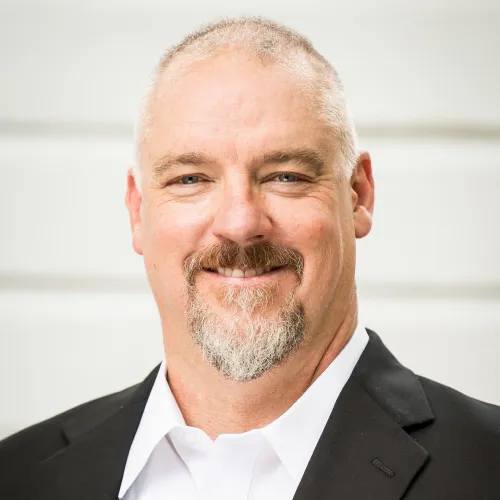
Tim Lansford | Leadership Perception Specialist
Places You Can find us




We think you’d also like this
construction2style Behind the Business: Building community in construction (part 4 of 5)
Learn how construction2style formed a community of home builders with the goal of sharing knowledge to create a more innovative and resilient industry.
podcast
Oct 26, 2023Building bonds: Why it’s important to choose community over competition
On this episode of “The Building Code,” Zach and Charley are joined by TwiLea Fletcher, business development manager at Stonebrook Exterior. TwiLea has 20 years of experience in various industries with expertise in CRM implementation, project management, data analysis and customer account relationships.
Listen to the full episode to hear about her experience at Builderbond, a new community-driven event hosted by Buildertrend and CBUSA, and why she believes in the value of creating relationships in construction.
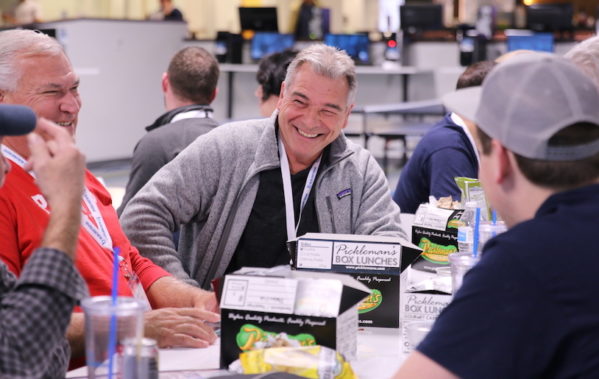
Networking tips for construction pros
Expand your circle, career and contacts with these seven networking tips and tricks for construction pros.