




Lights, camera, action: What it’s really like to be a contractor on a Netflix show
On this episode of “The Building Code,” Zach and Charley are chatting with Tyler Farrell, owner of Killowen Construction and a bit of a celebrity in the construction world. Tyler and his team build luxury custom homes in Heber City, Utah and surrounding areas. Their goal is to create forever homes that’ll hold memories to last a lifetime. Tyler also had the opportunity to work on Netflix’s “Dream Home Makeover” as the contractor for Studio McGee. Since then, his following has continued to grow, and he now has over 319,000 followers on Instagram.
Listen to the full episode to hear from Tyler about his business, his experience working with Netflix and how he’s managing his rapidly growing business.
How did your opportunity to work with Netflix come about?
“It was Instagram, actually. Shea was already a pretty big deal on Instagram when we became friends or followers of each other. And she had actually walked past one of the homes we built and tagged me. I was like, ‘Oh my gosh, thank you so much. We’ve got to work together.’ I hired them for a spec home that I was putting in a Parade of Homes, and my hope was we would do a good enough job that they’d refer us. Then Syd and Shea called me one day and were like, ‘Hey, this went really well. You want to build our house?’ I was like, ‘Yeah!’ But, anyhow, that’s when they got their show ‘Dream Home Makeover’ with Netflix. I remember the day Shea called me, I was in Park City, it was snowing. It was this beautiful day, and she’s like, ‘Hey, you want to go to Hollywood?’ I was like, ‘Sure, let’s go.’”
How has your Instagram following contributed to your success?
“The more you get your name out there and the more you get your product out there, the more cred you have, and it’s really cool. It’s been so fun showcasing our work, and we’ve actually gotten a lot of work from just Instagram. I’ll often ask a client, ‘Oh, by the way, how’d you hear about us?’ ‘Oh, we follow you on Instagram.’ We’re like, ‘Really? That’s it.’ You should just trust us. I’m glad you do. But it’s social media. You’re basing your decision on what you’ve seen. But we’ve had really good feedback. They’re like, ‘Well, you talk about the things we’re interested in. We can tell your team cares. The product speaks for itself.’ So, that social reach has been really, really positive for us. We’ve made it a priority to have consistent, good content.”
Links and more
Visit their website to learn more about Killowen Construction.
Follow Tyler and the Killowen team on Instagram.
Learn more about “Dream Home Makeover.”
The 2024 State of the Residential Construction Industry report is now live. Get builder insights and data from across the globe with best practices in marketing, sales, financials and operations. Download the report now and make it your most profitable year yet.
Related content:
Tune in to the last episode to hear from Kathy Svetina, founder of NewCastle Finance, about why work in progress reporting is critical to the financial success and profitability of construction companies
Subscribe here, and never miss an episode.
Got podcast topic suggestions? Reach out to us at podcast@buildertrend.com.
The Better Way, a podcast by Buildertrend:
Looking to add construction tech to your daily processes? On the newest season of “The Better Way, a podcast by Buildertrend,” you’ll get best practices for implementing software and getting your team on board from other industry pros and our experts. Subscribe and stream today wherever you listen to podcasts.
Follow us on social:
Listen to “The Building Code” on YouTube! And be sure to head over to Facebook to join The Building Code Crew fan page for discussions with fellow listeners.
Zach Wojtowicz:
What’s up everybody? Welcome to “The Building Code.” Zach Wojtowicz here.
Charley Burtwistle:
Charley Burtwistle here.
Zach Wojtowicz:
How are you doing today, Charles?
Charley Burtwistle:
Zach, I’m doing fantastic. I’ve already had a meeting with you this morning, so I feel like we’re warmed up.
Zach Wojtowicz:
How would you rate my performance in the meeting today?
Charley Burtwistle:
Oh, A+.
Zach Wojtowicz:
Wow.
Charley Burtwistle:
A+. That was great.
Zach Wojtowicz:
Love that.
Charley Burtwistle:
It genuinely was a great meeting.
Zach Wojtowicz:
Let the higher ups know, you know?
Charley Burtwistle:
Well, if they’re listening to the podcast, which they should be, they can hear here.
Zach Wojtowicz:
Shout out to all the executives listening to “The Building Code.”
Charley Burtwistle:
But our day-to-day work, not our favorite part of our jobs. Our favorite part of our jobs is this podcast. And today is especially an exciting day. Zach, who do we have today?
Zach Wojtowicz:
Yeah, today we have … We got the man, the myth, the legend of “Dream Home Makeover,” Tyler from Killowen Construction. Where we’re going to talk a little bit about how did he grow his business using social media and branding. He’s actually in the studio with us today because he’s here for BTU.
Charley Burtwistle:
Surprise.
Zach Wojtowicz:
Boom. And it’s just like, here it is. How are you?
Tyler Farrell:
I’m really good.
Zach Wojtowicz:
You’re doing great?
Tyler Farrell:
Good. Really happy to be here. I’m very pro Buildertrend. Have been my entire career. Finally excited to get here at headquarters.
Zach Wojtowicz:
Love it. Love it. Well, yeah. You’ve been a customer for a long time. I was looking at your account and you were customer 7,300 or something.
Tyler Farrell:
Okay. How many do you have now?
Zach Wojtowicz:
Well, so if you were to sign up today, you’d be closer to like 103,000. So you were …
Tyler Farrell:
Top 10.
Zach Wojtowicz:
Top 10%.
Charley Burtwistle:
An OG.
Zach Wojtowicz:
That’s right.
Tyler Farrell:
Okay.
Zach Wojtowicz:
So, how’s that feel?
Tyler Farrell:
Feels really good.
Zach Wojtowicz:
Feels really good?
Tyler Farrell:
I’d like to be in the top 1% of everything, but whatever.
Zach Wojtowicz:
Well just give it enough time. We’ll just keep on.
Charley Burtwistle:
We keep growing.
Zach Wojtowicz:
Get those sign ups. Yeah. Okay. Love it. Well, we were kind of talking a little bit of pregame before we got in here. Talked football. We talked Salt Lake, we talked to Omaha. I want to know, now that you’re here at Buildertrend University. How’s that?
Tyler Farrell:
It’s cool. I mean, we had the classes this morning. I keep kind of ducking out to see people.
Charley Burtwistle:
Explore?
Zach Wojtowicz:
Yeah, you’ve been here for so long.
Tyler Farrell:
We’ve been talking to so many people from Buildertrend. It’s really cool to actually, “oh, you’re who I’ve been emailing for eight years,” so class is really good. I have a bunch of my team members here.
Charley Burtwistle:
Yeah, how many? You brought six with you?
Tyler Farrell:
Yeah, yeah. And it’s good. It’s been fun. After this, we’re going to go back to class. I’ll have it all day tomorrow. It’s awesome. Had a great sushi last night that you guys recommended.
Tyler Farrell:
Sushi in Omaha?
Zach Wojtowicz:
Plugging the sushi.
Tyler Farrell:
Legit. Really good.
Zach Wojtowicz:
I was just talking to one of my employees who lives in Virginia about this, and she didn’t believe me, and I was like, “yeah, I mean, just the Missouri River really brings out the umami, you know?”
Tyler Farrell:
No, you kind of in a landlocked state.
Charley Burtwistle:
Yeah.
Zach Wojtowicz:
Like quad locked. Literally, as far away from water as you could get.
Tyler Farrell:
It was really good. Ate way too much. I have a food hangover, but I’m happy I did it.
Charley Burtwistle:
I love it.
Zach Wojtowicz:
I Love it. Well, thank you so much for coming to Omaha. It’s great to have you here, especially being a longtime customer, but you are a big deal. You have over 319,000 Instagram followers, numbers that Charley will certainly never see. So, we want to talk to you a little bit about that, as far as how did that happen? Were you expecting to have such a broad reach? Tell us a little bit of your story for people that are not one of your 319,000.
Tyler Farrell:
It’s a great question. I mean really love marketing. I love branding. I didn’t get a degree in that, but I feel like I have a good feel for it as opposed to, I mean, I don’t know. Instagram’s got its freaking algorithms. I will never understand those, but I know what I like and I know clean, authentic branding has worked for us, and we’re talking about some of my peers, Brad and Nick, they’re very successful. They’re doing well on social, but everyone’s got a different way to do it. Right? Nick I think is smarter than me. Brad is way more polished and should just do public speaking every day, all day for his entire life. I do it a little bit different, but it just shows there’s a lot of different ways to do it. Right?
Charley Burtwistle:
Absolutely.
Tyler Farrell:
So, yeah. With Instagram, too, I wish I would’ve got into it earlier, like probably most people, but maybe five or six years ago, ’cause I’m just like, “ah, I don’t need thousands of people. I need five people to build for.” Right? But the more you get your name out there and more you get your product out there. I mean, the more cred you have, and it’s really cool. It’s been so fun showcasing our work, and we actually have gotten a lot of work from just Instagram, and I’ll often ask a client, you’d only sign a house for five to $8 million? Like, “Oh, by the way, how’d you hear about us?” “Oh, we follow on Instagram.” We’re like, “Really? That’s it.” You should trust us. I’m glad you do. But it’s social media. You’re basing your decision on what you’ve seen.
But we’ve had a really good feedback. They’re like, “Well, you talk about the things we’re interested in, we can tell your team cares. The product speaks for itself.” So, that social reach has been really, really positive for us. Now, we have had a few things that really helped boost that. We’ve had a leg up and we’ll probably talk about some of those things, but ultimately we’ve made it a priority to have consistent good content.
Charley Burtwistle:
Yeah, I think the social media strategy is definitely something we’ve talked a ton about here before, and I’m sure we’ll get to over the course of this episode as well, too. But before we get too far, I’d also maybe a brief overview of just Killowen construction. What does your company look like? What type of homes do you do? And maybe how you got to where you’re at now.
Tyler Farrell:
Yeah, absolutely. So, Killowen, lots of people think that’s my last name, it’s actually a little village in Ireland where my grandpa’s from.
Zach Wojtowicz:
Oh, cool.
Tyler Farrell:
So, he came over from Ireland when he was 19, came over to America, settled in Utah, bought some farmland, and that’s where I live. So, I’ll do the brief history of me. So, I never knew what I wanted to be when I grew up, so I liked building things and woodworking, stuff like that. And I heard you could make a good living in construction. And anyhow, I started framing, doing stuff, and I was like, “you know what? I need my degree.” I’m an entrepreneur and I wanted to go learn. And so I got my construction management degree from Brigham Young, but then I graduated during the recession, the last one, 2007-2008, you know. That area or that time, and there was no work. So, I decided I was going to law school, and I took the LSAT, got in a bunch of schools, but decided to work for a law firm in Orange County, California before I spent a few hundred grand on my education. So glad.
Charley Burtwistle:
Yeah, fair.
Tyler Farrell:
Because I really disliked it. I actually really loved the people I worked with, but it was not for me. It was just not for me. So, I quit that job and went and worked for a commercial contractor in California again, but I just knew getting back to Utah, that’s where our family is, where my connections are. I just knew that’s where my career would be. So, my sweet wife, stayed and worked in California. When I went and lived in my parents’ basement and built a spec home and all the loans were in her name because I had no money and no job, and we wouldn’t have been able to do without her. And I’ve told that story dozens of times, but she’s the reason we were able to do this. Yes, I worked my butt off, but I couldn’t have done it without her.
So, anyway, we started off with that and then a lot of basements, a lot of bathroom remodels, stuff like that. And now, we’re at the point where man, with some good networking collaborations, a lot of hard work. We’re building dream homes, so we’re anywhere five to 20 million for a home, and it’s so cool. I’m not where we want to be. I still have more ambition in me, but I think Tyler from five years ago would be really proud of what we’re doing. And Buildertrend has actually helped me a ton with scaling because when I was just building those houses, I’m the general contractor and the owner of the company, all that was just in my head, right? And now, all those things in my head can turn into checklists and all this stuff that’s like a template that when we bring on a new person like, “Hey, this is how we do it here.” Right? So, that’s been really helpful. So, anyhow, we do high-end custom homes in the Park City Utah area and feel very fortunate to do that. I think I answered your question.
Charley Burtwistle:
Yeah, that was a fantastic, for sure. One of the things you mentioned, it’s just different partnerships and collaborations and things that you do. Maybe one of your more notable one was recently with Netflix with the “Dream Home Makeover.” I’d love to hear how that came to be in your experience working in kind of a TV show format.
Zach Wojtowicz:
Because that was with Studio McGee and that they’re different GC firm that you were working with, or is that a …
Tyler Farrell:
So, they’re interior designers.
Zach Wojtowicz:
Interior designers.
Tyler Farrell:
So, Syd and Shea McGee, they have a really great story, too. It was their show, by the way. It wasn’t my show.
Charley Burtwistle:
In my mind it was.
Zach Wojtowicz:
Send them a message right now. “I made the show.”
Tyler Farrell:
We’re absolutely the best part, let’s be real. No, but no, they have a great story similar to us. We were out in California, they started with not very much, and now, they have this empire. So, Shea and I, people ask how we met. So, she’s a fantastic interior designer, and Syd runs the business part and all that stuff. They’re a good team. But it was Instagram, actually, Shea was already a pretty big deal on Instagram when we became friends or followers of each other, whatever you call it. And she had actually walked past one of the homes we built and tagged me, and this is a pretty house. I was like, “Oh my gosh, thank you so much. We’ve got to work together.” And they were at the point where, I mean, again, they’re just a great, awesome, massive company now, but they still take on a builder like me back then.
So, we referred each other a few times and none of them really worked out. So, I was like, “I would just hire them.” So, I hired them for a spec home that was putting in a Parade of Homes, and my hope was we would do a good enough job that they would probably refer us or something.
Charley Burtwistle:
Sure.
Tyler Farrell:
We’re almost done with that beautiful, just amazing house. And it went really well. And Syd and Shea called me one day and were like, “Hey, this went really well. You want to build our house?” I was like, “Yeah! Gotcha.” But anyway, that’s how it started and then we just have always had a lot of projects together. And I’m not exclusive with her and Syd, and they have other builders. They build more, they have national projects. I’m, obviously, just local.
But, anyway, really kind of rode their coattails for a bit with their Instagram stuff. Yeah, I mean, the networking part of my business, I wish I had realized the power of it 10 years ago as opposed to five years ago because that’s where networking with interior designers, good architects, just working with the best has got us so much work, and I wish I had done that a little bit sooner. So, we’re really conscious of feeding those relationships and making sure our team is good. You treat the designers and the architects, like they’re the homeowners I want. I was kind of like one of those builders that hated interior designers for a while, but it was because I didn’t work with good ones.
And then when I worked with good ones, like the McGee team, I was like, “Wait, you’re going to tell me how high the light is? And that’s the actual light? And I have drawings and all this stuff? This is incredible.” So, I am so, so pro interior designer. But anyhow, that’s when they got their show “Dream Home Makeover” with Netflix. I remember the day Shea called me, I remember I was in Park City, it was snowing. It was this beautiful day, and she’s like, “Hey, you want to go to Hollywood?” I was like, “Sure, let’s go.”
Zach Wojtowicz:
Just like that. Magic.
Tyler Farrell:
Yeah, it was really fun. Went to Netflix headquarters and with something like that. I mean, I’ve never wanted to be a TV star, and I’m not one, but not a lot of guys like me would have that opportunity.
Charley Burtwistle:
Right.
Tyler Farrell:
So, pretty cool. We went there and pitched to their, I don’t know, just introduced everyone, and had a little presentation there, and it went from there. And would I do it again? Yeah, I’d do it again. But man, I wish I knew then what I know now. TVs just, it’s tough. It’s tough and not necessarily working with the McGees, totally great. But it’s just like production and the construction element, they don’t really typically understand how long things take. And we did it right in Covid, right? So, it was a lot of hard work and part of it was like, “oh, we were joking earlier.” I get a lot of kids and they’re always watching Netflix, and I just had this, since we started filming, I just had this vision. I’m like, “I’m going to surprise my kids.’ Dad’s going to turn on Netflix. They’re going to be like, ‘oh my gosh, my dad is the coolest.”
So, anyway, I set all that up, and they’re all pretty much all of them really little, and we set it up, and I turn it on and didn’t tell them about it, and then I’m there on TV and they’re like, “cool, can I watch Power Rangers?” whatever. Just the expectation.
Zach Wojtowicz:
The most humbling experience.
Tyler Farrell:
“I built it.” They’re like, “yeah, cool, but can we watch something we like?”
Zach Wojtowicz:
“This is just work dad.”
Tyler Farrell:
Yeah. But anyhow, I don’t know how much you want me to get into the Netflix thing, but as far as it was during Covid and you have these tight schedules, and as far as the show, if you haven’t seen it, is it kind of flips between high-end custom homes and then a remodel, like a kitchen and stuff like that, which isn’t really what I do, and it’s not really what Shea does. She builds these or designs these large big homes.
So, it was a little bit of a challenge for our team to wrap our heads around how to do a quick little remodel stuff like that. But also during Covid, we had a lot of, I felt like it’s the worst time in history to do a show like that because budgets tight, and it’s also really hard to get anyone because construction just picked up during that time and materials just weren’t available, stuff like that. And there was also, I don’t know how it was here in Nebraska, but the working conditions as far as Covid, we were under California rules because that’s where a production company had come from. So, I had to get tested every day I was on camera, get my Covid test, all this stuff. And it was just, anyway, you guys all know how that was.
Charley Burtwistle:
Yeah.
Tyler Farrell:
It was a crazy time in everyone’s life, but it made it way harder. It made it way harder. I couldn’t have people on camera who weren’t tested. And there was this moment where my little girl, I think she was two at the time, and we filmed a scene over at my family farm where we’re picking out some reclaimed beams from one of our old barns to put into one of the projects, and I just remember how cute she looked. She had her little pigtails. I brought my kids over. I wanted to have some sort of memory of like, “oh, there’s cameras, dad’s on TV.” Again, my high hopes that they don’t care anything about.
Zach Wojtowicz:
Not yet.
Tyler Farrell:
Yeah.
Zach Wojtowicz:
That little payoff.
Tyler Farrell:
Maybe someday. But anyway, just seeing my little girl and I’m not blaming production either. There were just rules, and I was like, “Hey, I’d love it if she was on camera. Look at her.” And they’re like, keep in mind she’s two. “Well, she hasn’t been tested.” I’m like, “oh my gosh.” So, that was a huge missed opportunity and just one of the little frustrations I just wasn’t aware of. I’d never been on TV, stuff like that, but it was cool. It was a great experience. There’s four seasons, but we actually only filmed two and they broke up one and two and three and four. And again, we’re not the only contractor on there. We do a lot of stuff for Shea, and their home on season one was the home we were building for them, so that’s why we were on it a lot.
Zach Wojtowicz:
And you were in a new market, so you were building in California?
Tyler Farrell:
No, sorry. They had moved from California to Utah.
Zach Wojtowicz:
They moved to Utah. But you had to follow California regulations.
Tyler Farrell:
Yes.
Zach Wojtowicz:
That’s really interesting
Tyler Farrell:
Because the production companies from Hollywood and even though they’re subcontracting camera people, like the sound people, they still had these protocols they had to follow, which was more strict than what we were doing with in Utah. We still had mask rules and stuff like that. But yeah, it was very just like boom. And again, it’s a really weird time in the world, but it is incredibly rigid when in construction. I’m a planner, I’m a checklist guy. I really try to plan for the unexpected, but you have to be really flexible in our world as far as you can do the best schedule, all the calls, and then …
Zach Wojtowicz:
Something goes wrong.
Tyler Farrell:
“Well, my painter didn’t show up today.” And then you’re scrambling all that stuff. And again, we had tight windows because of filming, like, Hey, we’re filming from one to three, this person needs to be here, here, here, here, here. And then again, it’s just construction. It’s organized chaos.
Zach Wojtowicz:
How did you balance what your team’s focus was versus what the TV show was asking you to?
Tyler Farrell:
Yeah, yeah. And that’s another spot I feel like I put in more time than was necessary for me because I didn’t want the burden to be on my team. But I was stressed, I was really stressed. And there was one day, and the McGee team, they have a large team, they have project managers, lead designers, all this stuff. And they’re actually there helping us because we had to work through the night to finish this kitchen. And my team, so we have a cabinet shop, and they do excellent work, but we’re a small boutique shop, and we just can’t do everything.
So, we have other subs, right? And our shop couldn’t fit in this kitchen, so we hired somebody else who we are not working with now. So, anyway, we’re there trying to fix stuff, and it just was not to my standard, and I know how you can film something on camera or whatever, but I knew the homeowners, it looked fine on the show, but there were some details that just I was not proud of. I was upset. I worked through the night and my mental state on that one was so bad because I worked through the night. We actually made it, and I walked out, and I saw one of the young ladies that was helping us, and she’s like, “You okay?” And I’m like, “No.” I just broke down crying in front of her. That was just part of the mental, everyone has a breaking point. And I was like, “Don’t look at me, don’t look at me.” But I went into my truck and actually just cried for a half an hour because I was just mentally gone.
And again, construction in general, it’s a really stressful job, especially when you care as much as we do. We really do. I guess pitching someone for our company, people ask, “Well, why not you? or why not this guy down the road? Why you?” And it sounds really cheesy, but I stand behind it. Our people care more than most, and they take it personally. That’s why it’s good and bad. Because you do. You take your work home, you’re thinking about it. Most people who really care about their work and are high performers, all that stuff, we really care about our product. If we find something, and you don’t notice it, we’re still going to fix it.
People are paying a lot of money in construction in general, but we really want people to feel like we care about them, and we care about the product. And when I was bringing it back to Buildertrend a little bit, scaling from one employee to what we have now, I mean I have two or three companies, not two or three, I have three companies, but as far as staff, we’re around 50 with those companies, and I never wanted to over employ, mainly because I was around during the recession, and I just didn’t want to have to let someone go because we didn’t have enough work. And I got the point where I’m like, well, we’re going to be a good company if I have to let them go, someone else would’ve had to let them go before me. I can’t control the industry and the economy, but I’m really careful about throwing the word family around in work because I think that’s very unfair. You’re there for your career and for money and all that stuff.
However, that doesn’t mean that I don’t feel that burden of another family on my shoulders every time we hire someone. So, take that. It’s really important to me, and people say it’s business not personal. It’s like, I’m sorry. It’s like the most personal thing in the world when you’re working with someone all day, every day, get to know them, their family. That’s where I’ve gotten a lot better, but that’s what I wasn’t ready for.
And Sorry, going back to the Buildertrend again, setting up those processes and scaling because a lot of it was in my head, now it can be like, “Hey, here’s our systems, here’s how we do it.” And with the show, with all those multiple schedules, just the schedule feature on this really kept us to task or on task. But anyhow, our company I think is doing so well, and we’re not, again, where I want us to be, but we’re really on the way, and I think before we got as dialed in as we are now, I think my team, we got away with stuff, not got away, we got let off the hook a few times because our clients always know how hard we’re trying and how hard we’re working, and that just goes like communication. I spoke on this a little bit earlier today.
Every business, I think if you’re an excellent communicator, you’re going to succeed because I can’t think of an industry where communication wouldn’t be important, whether it’s sales, whether it’s logistics, all that stuff. And Buildertrend really is a higher level of communicating because everything we’re using in there, you may have the best intentions in the world to show your client everything they need to see, but if you don’t have the platform to share that data, it’s hard. It’s really hard. So, again, we’re at Buildertrend University right now because we want to learn more and it does so much and probably more than we need at the moment, but we want to make sure we’re using it in the best spots to help our internal team and the homeowners. So, yeah, it’s been again, really, really good product for us.
Zach Wojtowicz:
That’s really interesting listening to you talk about how you still had to go through this media circus, if you want to call it that. But also running a really tight organization.
Charley Burtwistle:
During Covid.
Zach Wojtowicz:
During Covid, yeah.
Charley Burtwistle:
The perfect storm.
Zach Wojtowicz:
Any other Variables?
Tyler Farrell:
Four years ago though?
Zach Wojtowicz:
Yeah, it’s wild how fast time has gone. What do you say to other builders out there who maybe don’t have all those circumstances but are still kind of resistance? “Well, I don’t need to have that kind of system or structure. I have what it works.” That’s the thing I hear a lot from customers. They’ll kind of be like, “Well, I’m successful. And so these other things are just kind of nice to haves.”
Tyler Farrell:
That’s a great question because sometimes you don’t know what you’re missing. You don’t know. One of my other companies that we’re working with now, we just got them on board with Buildertrend, and they were doing fine. I acquired that company, I purchased it. The numbers are good, really fun, interesting company. We do playgrounds, we sell and install, and it’s called Lucky Dog. But anyway, we just signed on to Buildertrend, and CJ who’s here with me this week, he’s like, “Wow, this is really cool. This is a really good platform that really helped them.” And again, they were doing well. Right?
So, to answer your question. The first part is you kind of don’t know what you’re saying no to. I do think it is up to you personally what your goals are because I’m definitely not the type that is happy where I am. I’m just not. And it’s interesting because I get on my Instagram, and I follow all these inspirational people, and one I saw just the other day, it was like you’ve accomplished so many goals already that you told yourself what was going to make you happy, right?
So with me, I’m not unhappy. I’m just always wanting to progress. And so, I would say to those people who are like, “Oh, I’m fine where I am,” are you fine where you are? Maybe you are, maybe it’s not for you. I would disagree. If you don’t have a program like that, you don’t know what you’re missing. But with us, it would be impossible for my company to be where it is without a platform like that.
Charley Burtwistle:
Well, I think that goes to your earlier point around just the importance of networking and your comment there on you don’t know what’s out there. Obviously, we’re biased to Buildertrend being a potential option to help other people succeed, but there’s so many other things. What suppliers are you working with? Contractors that you’re working with? What podcasts that you’re listening to? We have 10 people out right now at different contractor coalitions all over the country, and I think that’s been a recurring theme on this podcast is historically construction has just been so siloed in gatekeeping the information that makes you successful that people don’t know that there’s better ways out there, and that may be a construction management software, but it could be any number of other things that people are working on or mindsets or the family orientation of the company. There’s so much to learn just by going to these events that are oftentimes very free all over the country and listening to other people. So, that really hit home.
Tyler Farrell:
Well. So, some of my best growth has come from hiring and not necessarily stealing other people’s processes, but getting a fresh set of eyes being like, “Hey, we do this, why aren’t we trying this?” And I really try and have my people keep me accountable to this part. If there is a better way to do it, I’m all ears, and if it is better, we will do it. Just be prepared to defend your idea. I might’ve tried it already, and it doesn’t work for us.
But the contractors who say they know everything, they know all the product, they’re just wrong. I mean, there’s just so much to learn and again, a cool thing about my job, why I love my job is we have never built the same house twice. Everything is so custom, and there is always an opportunity to learn how to do it a different way. Maybe it’s not the right way, but at least you’re looking into it. So, for example, Buildertrend, those are trying whoever’s saying they wouldn’t want it, I would give it a trial run, at least something like that. But that’s something that’s very important to me as far as I mentioned it earlier, just not standing still and continuing to do better and to grow. I don’t want it to come off and sometimes I do podcasts like this, and I try to be humble and be like, “Hey, we’re doing the best we can always learn,” but we also don’t want to discredit how good we are.
Because I feel like I’m kind of getting to be the old guy in construction with all these younger people. And sometimes you have this self-doubt when you were kids, you just remember your parents thinking they knew what they were doing.
Charley Burtwistle:
Yeah.
Tyler Farrell:
Now, I’m old and have five kids, and I’m just doing the best I can. But I don’t think you always appreciate what you know because I do. I go to these events, and I am asked to speak, and I feel like a little bit of imposter syndrome sometimes, but sometimes I need to step back and be like, actually Tyler from seven or eight years ago would love hearing that. So, I try to give myself a little more credit as opposed to, yes, it’s great to be humble, all this stuff, but we do know what we’re doing, and that’s why we’re just continuing to try to do better.
And my team, again, we build way better houses now than when it was just me, and that’s just kind of the aggregate of all of our experience. And my team is really cool. I’m so fortunate to have so many people that are willing to be good teammates and work together and collaborate because we put these checklists together on Buildertrend for each phase. We have 66 checklists for a home, and those are all little tasks that we put on our list because one of us probably missed it on another job. Like, you know what? “Hey, put this in. Do not forget to put your sleeves under your driveway” because guess who did that, this guy.
So, we’re really trying, I don’t hire people necessarily all the time because of their experience, you don’t have to have 20 years of experience or whatever. I’m not opposed to that either. But ultimately, our goal is to learn from our past mistakes or my employee’s past mistakes from their previous job. Just add stuff to the list. We’ll have a text message be like, “Hey, is this on our checklist?” “Oh no, that needs to go under the excavation checklist. Make sure you put that in.” And I don’t care how good a builder you are, there’s so many things going on in our lives, personal lives work, you can forget stuff.
I’m very driven with taking notes and when people aren’t taking notes or walking through an electrical walk with an electrician, I’m like, “You’re not writing anything down.” He’s like, “Oh, I got it up here.” I was like, “I need you to write it down.” I really do. And that’s a challenge we’ve actually had with some designers, like interior designers, we’re doing a walk through, we’re doing a lighting layout or they’re changing something here. They’re moving the height of a sconce. I call them kind of butterfly designers, and they kind of float around and they’re like, “Oh my gosh, this would be yummy. I would love to do this. This will be great.” And that’s great because they’re artistic and that’s fantastic.
Charley Burtwistle:
They’ve got the vision.
Tyler Farrell:
And they have a better vision than I do, but who’s writing that stuff down? So, the best ones who don’t have that skill to keep really detailed notes, they have someone following them around taking notes. So, I always tell our younger people, we always tell our younger people in the company that just always, always be taking notes. I’m very impressed when I see one of our interns or one of our new hires taking notes when I didn’t ask him to.
Right? And again, you put that in a daily log, right, for Buildertrend.
Zach Wojtowicz:
That’s right. Well, Tyler, it’s been awesome. I just want to end today, what do you got cooking up? You got any other Netflix shows? You got anything that you can share for people who do follow you or they can keep following you?
Tyler Farrell:
Yeah, so I would say, I don’t know when this is coming out, but I have some really cool things in the works that I actually can’t say.
Zach Wojtowicz:
Oh, we love a good teaser.
Charley Burtwistle:
What a teaser.
Tyler Farrell:
It’s good teaser. But I would say four projects that I would just love to tell you about that are new for us and really exciting. But currently, again, not sure when this is airing, but you can find us on Instagram Killowen Construction. Obviously, this podcast, save it, hit it on repeat. But just that is really the best place to find us on Instagram.
Charley Burtwistle:
Well, we’ll definitely plug that in the show notes and you’ve definitely secured a second guest appearance, because we’re going to have to have you back on, that cliffhanger that you just left everyone listening.
Tyler Farrell:
Oh man, it’s so good.
Charley Burtwistle:
It just keeps getting better.
Tyler Farrell:
Yeah.
Charley Burtwistle:
We need to stop, unrecord and then maybe you can just whisper to me.
Zach Wojtowicz:
Off air.
Charley Burtwistle:
We won’t leak it. We promise. Thank you so much for your time. I know you’re here for BTU, so took time out of your day to come and record with us. Really, really appreciate it. I always leave these way more motivated than I was coming in, so I’m going to head back to my desk and crank out some good work, but really appreciate it.
Tyler Farrell:
Sounds great, guys.
Charley Burtwistle:
Thanks so much, Tyler.
Tyler Farrell:
Appreciate it.
Zach Wojtowicz:
Building Code nation, thank you so much for listening today.
Charley Burtwistle:
Building Code nation?
Zach Wojtowicz:
That’s right, I dropped the Building Code nation.
Charley Burtwistle:
Never heard that before.
Zach Wojtowicz:
It’s new. Inventing ourselves.
Tyler Farrell:
Turn into a sticker.
Zach Wojtowicz:
That’s right. That’s right. Bring it all back around. Thank you so much for listening. Check us out where all podcasts are available. I’m Zach Wojtowicz.
Charley Burtwistle:
And I’m Charley Burtwistle, and we’ll see you next time.
Zach Wojtowicz:
Peace.
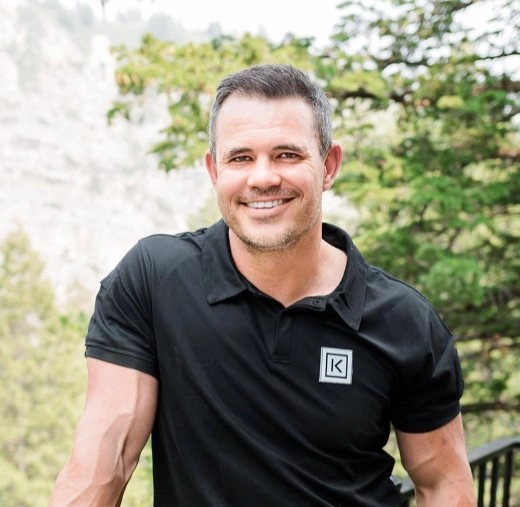
Tyler Farrell | Killowen Construction
Places You Can find us




We think you’d also like this
podcast
Nov 16, 2023Creating an identity: Why your brand is more than just a name
Listen to the full episode to hear about the power of your brand and how it impacts your qualified leads and the overall client experience.

How to build your construction brand with video
Lights, camera, action! The power of video marketing is undeniable. To harness some of that power for your construction company, follow these three steps.

10 ways to improve residential construction project management
Keep your residential construction projects on task and organized with Buildertrend’s project management software.