




Power in numbers: How CBUSA is changing the game for KC builders
On this episode of “The Building Code,” Charley and Courtney are chatting with Dennis Shriver, president of Hearthside Homes. Dennis acquired Hearthside in 2010 and has helped transform it into one of the leading home building companies in the Kansas City area. In an average year, their team produces between 50 and 90 homes with an impressive annual revenue of $45 to $50 million.
Tune in to the full episode to hear more about Dennis’s story and his experience as a new member in CBUSA’s group purchasing organization.
What has been your initial experience with starting a new CBUSA market in Kansas City?
“It’s been interesting, it’s been a lot of fun. Our market’s just right at a little bit over a year old now. It was a lot of fun just talking with other builders. A lot of the guys knew each other ahead of time, but there were some new people as well. Being able to sit down in a room, and we’re not sharing financial statements or anything, but to hear the pains and the progresses that each one of us has made and how we do different things. That’s been a huge part of the experience, just getting to learn from each other. What’s good, what’s bad, what’s working, what’s not. And so, that’s been kind of a side benefit that I didn’t originally recognize would be there, in terms of joining a purchasing group.”
Can you share about some of the financial benefits you’re seeing as well?
“CBUSA does a good job of breaking the financial opportunities into national contracts, which are going to be your name brand companies that you hear about across the U.S., Andersen Windows, for example, Emser Tile. And then the other segment is the local contracts with local suppliers that only operate in our market, our subcontractors or trade vendors. So, there’s really two opportunities to take advantage of those, and in a lot of cases on the national contracts, they’re such name brands within our industry. We found that we were already using a lot of the products that were there, so that was just easy, low-hanging fruit. ‘Okay, great, if you’re going to give me a rebate, I’m already using your product,’ so there was zero disruption to our process or the way we do things to be able to take advantage.”
Links and more
Learn more about Hearthside Homes.
Read their case study to really get a glimpse at the value Dennis and his team are seeing after joining CBUSA.
Go to the CBUSA website to learn more about the benefits and how to become a member.
If you haven’t already, now’s the time to set goals for your construction business. Download this free construction strategy template created by the team at Breakthrough Academy and get:
- Simple directives to get you started
- A complete example for reference
- An editable template to start using immediately
Related content:
Tune in to the last episode to hear from Joe Christensen and Adam Shaeffer, best friends and co-founders of Cardinal Crest Homes. Explore why showing up authentically online and in real life is a huge driver for the success of your construction business.
Subscribe here and never miss an episode.
Got podcast topic suggestions? Reach out to us at podcast@buildertrend.com.
The Better Way, a podcast by Buildertrend:
Looking to add construction tech to your daily processes? On the newest season of “The Better Way, a podcast by Buildertrend,” you’ll get best practices for implementing software and getting your team on board from other industry pros and our experts. Subscribe and stream today wherever you listen to podcasts.
Follow us on social:
Listen to “The Building Code” on YouTube! And be sure to head over to Facebook to join The Building Code Crew fan page for discussions with fellow listeners.
Charley Burtwistle (00:05):
What is up, everybody? Welcome back to another episode of “The Building Code.” I’m Charley Burtwistle.
Courtney Mattern (00:10):
And I’m Courtney Mattern.
Charley Burtwistle (00:12):
Courtney, how are you doing today?
Courtney Mattern (00:13):
I’m doing great.
Charley Burtwistle (00:14):
Are you worried we’re going to get snowed in, iced in?
Courtney Mattern (00:17):
Yes, I am a little anxious about that.
Charley Burtwistle (00:20):
Courtney and I are currently located here at HQ, in Omaha, Nebraska, and we have an ice storm brewing directly outside, probably about 30 feet to the west of us, literally from where we’re sitting right now. So there’s a very strong possibility this may be a 24-hour episode.
Courtney Mattern (00:34):
Yeah, well, we’re going to have to stay the night in the studio.
Charley Burtwistle (00:37):
That would actually be awesome.
Courtney Mattern (00:38):
We could have a marathon, raise money, old school, like what they used to do, the tele …
Charley Burtwistle (00:42):
A little phone-a-thon?
Courtney Mattern (00:43):
Phine-a-thon, yes, that’d be great. We need to bring in tap dancers. Surprise magicians.
Charley Burtwistle (00:48):
How would they get in though?
Courtney Mattern (00:49):
That’s a good question.
Charley Burtwistle (00:50):
We’re going to have to make due with what we have in office.
Courtney Mattern (00:51):
Do you know any magic tricks?
Charley Burtwistle (00:52):
Oh, actually I do, oh, yeah.
Courtney Mattern (00:52):
Of course.
Charley Burtwistle (00:56):
I know a ton. I’m very good at card tricks. I went through a really weird card trick phase in college. And yeah, I surprised and delight when it comes to magic tricks.
Courtney Mattern (01:05):
You’re always surprising us, Charley.
Charley Burtwistle (01:06):
We could do, let’s get a deck of cards for the next episode and I’ll start the episode. That’ll force people to watch on YouTube. I’ll pick a card, any card.
Courtney Mattern (01:13):
Well, we could start our own. We’re on TikTok, I think we still exist on TikTok, we’re on Instagram. We could do a Patreon, one of those get extra paid content and watch the video of Charley’s.
Charley Burtwistle (01:26):
Exclusive magic tricks.
Courtney Mattern (01:26):
Yeah, magic trick. Let us know listeners, if that’s something you’re interested in.
Charley Burtwistle (01:30):
If magic tricks aren’t what you’re interested in, and you are interested in saving more money in your business.
Courtney Mattern (01:35):
Yeah, then this is the episode for you.
Charley Burtwistle (01:37):
Then this is the episode for you. We will no longer …
Courtney Mattern (01:40):
That’s kind of like magic, though.
Charley Burtwistle (01:40):
That is kind of like magic. CBUSA, a group purchasing organization that is like magic for your business.
Courtney Mattern (01:45):
Yeah, we can make that the new branded tagline.
Charley Burtwistle (01:47):
Yeah, we can talk about that. Who do we have on to talk about the magic of CBUSA today, Courtney?
Courtney Mattern (01:51):
Yeah, I’m so excited. So, joining us today is Dennis Shriver from Hearthside Homes down in Kansas City. And if you’re not familiar with CBUSA, it’s our group purchasing organization, sister company here at Buildertrend. I love it because it’s all about in-person relationships, because I’m a people person. They have about 34 chapters across the U.S., and small builders come together in their community where they usually would be competitors, and they work together to have the purchasing power of a bigger organization.
(02:16):
And last year we opened a chapter in Kansas City and Dennis won Rookie of the Year at the CBUSA Summit. So yeah, get a round of applause for Dennis before he comes on, but, and he’s so modest too about it. But it’s a big accomplishment to get a chapter off the ground too, because this industry can get lonely and it’s hard for builders in the same market to want to share information, but it strengthens these small, medium-sized builders to be able to come together and get good pricing. And it means that the homes in our neighborhoods get to be more interesting, that they keep getting to grow their businesses by saving a little extra money. And then there’s a little bit of a cherry on top with the relationship. So, we can ask Dennis all about that, I’m sure he’ll have some good stories for us, but I’m so excited that he’s here just to talk about his experience.
Charley Burtwistle (03:04):
Absolutely. Let’s get him in here.
(03:06):
Hey, Dennis, welcome to “The Building Code.” Really appreciate you making the time for us today. How’s it going?
Dennis Shriver (03:11):
It’s going good. Thanks for having me.
Charley Burtwistle (03:13):
Absolutely. We are pumped to have you on, we have heard nothing but great things about you and your business from our friends over at CBUSA. But for our listeners, hearing from you for the first time, we always like to start with just quick little intro, who you are, where you came from, and how you ended up in construction.
Dennis Shriver (03:29):
Sure. Well, yeah, as you said, my name’s Dennis Shriver. I own a company called Hearthside Homes. It’s in Kansas City, Missouri. We build primarily in what we call the Northland of Kansas City, which is obviously the Northside. Business was started in 1987, so it’s been around for a while. I purchased into it in 2010 and have been there for 15 years now, and we build, depending on the year, between 50 and 90 homes a year.
Charley Burtwistle (04:02):
Wow, that is awesome. Huge weekend for you down in Kansas City, the Chief’s playing. We’re recording this before the Super Bowl. It’ll air after the Super Bowl. Do you have a prediction? Do you want to make your call now?
Dennis Shriver (04:14):
Well, obviously the Chiefs.
Charley Burtwistle (04:16):
There you go. You heard it here first. Yeah, that’s going to be exciting. You guys have to be kind of getting bored of them at this point though, right?
Dennis Shriver (04:23):
Yeah, it’s kind of rinse and repeat at this point. We’re getting used to it, but I guess we should not get used to it, but we kind of are. We’re having fun with it though, it’s a good time to be in Kansas City.
Charley Burtwistle (04:34):
Yeah, absolutely. That may be rinse and repeat, but something new for Kansas City is a new market for CBUSA, so that’s the reason that we brought you on today. Did you like that segue? I feel like that was pretty smooth.
Courtney Mattern (04:35):
That was super clever. That was smooth, Charley.
Dennis Shriver (04:47):
Pretty smooth, yeah.
Charley Burtwistle (04:48):
Thank you. Thank you.
Dennis Shriver (04:49):
Work on your feet.
Charley Burtwistle (04:51):
I like to pat myself on the back there. Tell us a little bit about what helping getting a new chapter for CBUSA and getting started in Kansas City has been like.
Dennis Shriver (05:01):
It’s been interesting, it’s been a lot of fun. Our chapter’s just right at a little bit over a year old now. So, I guess we’re now into 2025, so late 2023 is kind of when we started forming it and then really got it kicked off at the beginning of the year, the beginning of 2024. So, yeah, it was a lot of fun just talking with other builders. We’ve had other buying groups in Kansas City before. In fact, there’s a couple that are active in our market right now. Personally, I’d never been a part of one of them, so it’s my first experience being a part of a group like this. So, we spent quite a bit of time just talking with other builders and obviously we all had a lot of questions because most of the guys in the group have not been in part of something like this. But, yeah, so but we’re officially up and running now for a year, and I think we’re making some good strides.
Courtney Mattern (06:01):
Yeah, for all of our listeners, if you’re not familiar with CBUSA, it’s one of Buildertrend’s, I always call it a sister company. Brother company?
Charley Burtwistle (06:01):
Either or.
Courtney Mattern (06:10):
Brother company?
Charley Burtwistle (06:09):
Yeah.
Courtney Mattern (06:11):
But CBUSA is a group purchasing organization. It’s really cool, there’s chapters all across the U.S. I think we have just over 30 chapters nationwide. And, typically, what we see is in this industry, builders, especially in within a market, super competitive, they’re their competitors, they don’t want to share information, they’re competing on projects. But what’s unique about CBUSA is they all come together, especially these residential builders like you who might not be doing like 500 homes a year, but they band together, and they get to have the purchasing power of a much bigger builder, which means a lot of savings for you. And we’ve been trying to open up new chapters across the U.S., including here in Omaha. And yeah, it’s been really cool to see Kansas City come together. We have a lot of great customers and great builders down there.
(06:58):
And one highlight we always hear about, too, is the relationships. What’s it been like maybe coming together with some people you might’ve considered competitors and working together to just get better pricing on great materials?
Dennis Shriver (07:11):
Yeah, that’s been a lot of fun because these guys are our competitors. Fortunately, a lot of them are also friends as well, but they’re our peers in the same industry. So, a lot of the guys knew each other ahead of time and there’s some folks, obviously some new people as well that you don’t necessarily know. But being able to sit down around a room and we’re not sharing financial statements or anything, but to hear the pains and the progresses that each one of us has made and how we do different things. And that’s been a huge part of the experience is just getting to learn from each other. What’s good, what’s bad, what’s working, what’s not. And so that’s been kind of a side benefit that I didn’t originally recognize would be there, in terms of joining a purchasing group.
Charley Burtwistle (07:56):
Yeah, I love that. And CBUSA did a fantastic case study with you as well, too, which Courtney, and I read before this, and you had a quote in there that said, “The financial side is the hook that gets you in, but beyond that, the collaboration has been incredibly valuable.” And I think like you just said there, that is a very overlooked part of the local focus of CBUSA and the local chapters that they do, is to make sure that the pain points that they’re trying to solve and the experiences that they’re trying to bring together are relative to the market that you’re working in. Because, obviously, a lot of these other national type purchasing organizations, if you’re building in Kansas City versus you’re building New York, or you’re down in Texas, obviously …
Courtney Mattern (08:38):
Very different.
Charley Burtwistle (08:38):
… you’re experiencing very, very different things. But I definitely don’t want to overlook the financial side of it as well, too. So, for our listeners out there, could you just explain a little bit of some of the benefits that you’ve seen from the rebates and purchasing power since you’ve started the chapter down in Kansas City with CBUSA?
Dennis Shriver (08:56):
Sure, yeah. Well, CBUSA does a good job of kind of breaking the financial opportunities into national contracts, which are going to be your name brand companies that you hear about all across the U.S., Andersen Windows, for example, Emzer Tile, things like that. And then the other segment is the local contracts where it’s contracts with local suppliers that only operate in our market, our subcontractors or trade vendors, things like that. So, there’s really two opportunities to take advantage of those, and in a lot of cases on the national contracts, they are such name brands within our industry.
(09:36):
We found that we were already using a lot of the products that were there, so that was just easy, low-hanging fruit. Okay, great, if you’re going to give me a rebate, I’m already using your product, so there was zero disruption to our process or the way we do things to be able to take advantage of. Sometimes it comes in forms of pricing, sometimes it comes in form of rebate. Each contract is unique, but yeah, that was super easy to take advantage of those things, and that’s where we started. Let’s do the easy things first, get some wins under our belt, and then we’ll start looking at things that might require us to make a switch somewhere, figure out whether or not a switch actually makes sense.
Courtney Mattern (10:17):
Yeah. One of the cool things about CBUSA, too, when we’re going into different markets and starting a new chapter, is it’s not just those national contracts, which you mentioned, but there’s also usually a local element. Who’s this local supplier? Where are you getting lumber? Have there been any, I don’t know, surprises in some of the partners or some of the contracts that you’ve worked on, or I guess supplier partners or a new product that you’ve been introduced to that you maybe weren’t considering before?
Dennis Shriver (10:45):
Yeah, we have made a few changes with some of our local vendors that we deal with here due to CBUSA, frankly. Some different areas where we thought we were getting great pricing on things and then a new vendor comes in, and it’s like, “Well, here’s actually, they have better pricing.” And then oftentimes better pricing, better service, better quality, all of the above. And so, we made a switch in some of those instances where it worked out in everybody’s favor. And that’s a big part of it, too, for the vendors that come in, they’re getting access to the group of builders, and they’ve got an audience right there in front of them. So, as opposed to going around and trying to market themselves and whatnot, it’s an easy, it’s a good market for them.
Courtney Mattern (11:32):
Since you’re part of this group, is that one of the hurdles or challenges when you’re working together? Even getting the chapter off the ground, what were some of those hurdles of just getting going? Was there tough conversations about the suppliers or even trusting each other to share information?
Dennis Shriver (11:48):
Yeah, yeah, that actually is challenging and continues be part of the challenge, to be honest. We’re all independently owned, private, small companies, and we all have our own way of doing things. Even though we’re ultimately all building homes, we have different loyalties to different companies, different friends in the business that we like to buy from and things like that. So, when you start talking about, how do we collaborate? Everybody’s got their own opinion and finding that middle ground is sometimes easier said than done. But there’s some items where guys are like, “I’m not switching no matter what.” And that’s fine, you don’t have to, but then there’s other items where it makes sense, where we can all kind of come together and be like, “This makes sense. Let’s do something together.”
Charley Burtwistle (12:39):
Yeah, that makes a ton of sense. And it seems so far, one year in, things have been going really well for you specifically. You recently won the Rookie of the Year Award …
Courtney Mattern (12:40):
Awesome.
Charley Burtwistle (12:49):
… at the CBUSA Summit. What was your initial reaction to hearing this exciting news?
Dennis Shriver (12:57):
Yeah, I was frankly, really surprised. I had no idea. I didn’t know there was such an award, and I didn’t know I had done anything to earn such an award, so I still don’t know that I have. But yeah, I was honored and excited to get that, but it was a surprise for sure.
Charley Burtwistle (13:15):
Tell us a little bit more about the summit because that was pretty … I guess at this point, no, it wasn’t that recent. Probably about half a year ago?
Courtney Mattern (13:21):
How long ago was September? I’ve lost count.
Charley Burtwistle (13:23):
Okay, recent enough.
Courtney Mattern (13:25):
Yeah, Dennis, you were at the event, but that was the first time that CBUSA invited all of its members to its annual conference. And so, for you, it’s probably the only thing you know, but yeah, tell us about, did you meet some awesome people there? Did you like the sessions?
Dennis Shriver (13:41):
Yeah, it was actually the second event that I had been to. I went to the one in 2023. I don’t remember what month that was, but that was actually before … the one that I went to …
Courtney Mattern (13:50):
You came to Austin then? It was in Austin, right?
Dennis Shriver (13:53):
Yes, in Austin.
Courtney Mattern (13:53):
Cool.
Dennis Shriver (13:55):
Yeah, so I was there in Austin. That was actually before we had the chapter started, but I was invited to come just to see what CBUSA was all about, so that was probably the origin of what got me excited about the program. And then like you mentioned, last year, 2024 was the first time that it was open to the larger membership, so to speak. But I really enjoyed it. There was some good entertainment, or excuse me, good educational sessions. They had it broke down so you could kind of choose what you were most interested in, as far as the education goes and the group sessions. Some really good keynote speakers that were there, and then of course there’s the opportunity to meet with the vendors and I was able to meet with a few vendors from those national contracts and talk about some of the things that we were working on. And it’s always nice to be able to do that face-to-face, as opposed to over the phone and you actually start to meet the people behind what’s going on. It makes a big difference.
Courtney Mattern (14:49):
I love when we do those big events because we get everybody in one room. And with CBUSA too, there’s different markets, right? So, Kansas City is dealing with different issues that our market in Raleigh is, and you can all learn from each other. We’re getting ready September, October this year we’re going to DC for …
Charley Burtwistle (15:06):
Oh, sweet.
Courtney Mattern (15:06):
… for The Summit. So, we’re really excited to bring everybody back together. But when I’m there, and Dennis, I don’t know if you agree, but don’t you feel like there’s something that kind of sets a CBUSA builder apart? Like you said, you have to consider, you might’ve thought you were getting a good deal, taking the time to think about the future of your company. What would you say is the vibe you get when you’re in the room with your other members of your chapter?
Dennis Shriver (15:30):
Yeah, I think it’s a little feather in the cap because not just anybody is a part of the group. The builders that are in the group are somewhat pre-vetted. They have to do good business, pay their bills on time, and be responsible builders, good business people. So, to know that you’re in a group like that when you’re talking, especially with the local vendors, it gives a, I can’t think of the word right now, but it gives a little … Man, the word’s slipping my mind, but …
Courtney Mattern (16:07):
I know, I’m trying to think of it, too.
Dennis Shriver (16:08):
It’s right on the tip of my tongue but I can’t get it out. But anyways, when you’re dealing, whether it’s a new vendor or whatever, you can say, “Hey, I’m a CBUSA member,” and they automatically know that, all right, this company’s legit.
Courtney Mattern (16:19):
Yeah, it kind of gives you some credibility.
Dennis Shriver (16:22):
Exactly. That’s the word I was thinking.
Courtney Mattern (16:22):
Yeah, yeah, for sure.
Charley Burtwistle (16:22):
Nice job, Courtney.
Courtney Mattern (16:24):
I did it. I am the word nerd, so.
Dennis Shriver (16:24):
Appreciate it.
Courtney Mattern (16:27):
You better hope.
Dennis Shriver (16:28):
So, went totally dark on that one.
Courtney Mattern (16:30):
Well, tell us what’s going on down in the Kansas City market. What does the year ahead look like in the Midwest?
Dennis Shriver (16:40):
I wish I had that crystal ball, but I think we’re cautiously optimistic. The last couple of years with mortgage rates and things like that, we’ve seen things have been a little slower than what they were compared obviously to a few years prior. But we’re starting to see some resurgence in permitting activity and home sales and things like that. So, we’re cautiously optimistic as we go forward.
Charley Burtwistle (17:09):
Cautiously optimistic about the market and the Chiefs. You’re in a really, really good spot right now with a lot of things in your near future, it seems like.
(17:19):
The cool thing about CBUSA and having you on specifically is you were a part of a new chapter. That is something that they’re hyper-focused on right now, is scaling to new markets and starting new chapters, as well as continuing to get members involved in the chapters that currently exist today. What kind of advice would you give for builders considering joining CBUSA or even potentially for builders that are in a position like you where it doesn’t exist in their market today, but they want to kind of lead the charge getting it stood up. What would be your pitch to them to get involved?
Dennis Shriver (17:57):
Yeah, I mean, I think the reason it works so well in our market, which is not unlike a lot of markets, frankly, is that we don’t have any really large builders here in Kansas City. We have a lot of builders, but we’re all relatively small. Nobody’s doing thousands of homes a year here in Kansas City. So, that makes it difficult because no one company has enough purchasing power to really make a dent when you’re dealing with suppliers and vendors and whatnot, national products as well. So, coming together as a group gives a little more credibility to that.
(18:38):
But in terms of somebody thinking about it, try it. There’s no harm that can come from it. So if it doesn’t work for you, it doesn’t work, but at least give it a shot, see what it’s all about. And it takes a little while to dig in and figure out all the different stuff, but there’s really no harm done. So, there’s only an upside, I guess, would be the thing I would say.
Courtney Mattern (19:03):
I like how you highlighted for companies like yours, you’re not all big builders doing hundreds of builds a year, and I can only imagine what kind of an advantage it is to get the pricing on these types of materials and supplies like being a midsize builder, if you’re only doing somewhere between five and 20 builds a year, and it helps you remain competitive in being able to build beautiful homes with quality materials for your customers. I’m sure there’s a benefit there that you see, too.
Dennis Shriver (19:30):
Absolutely. Yeah, and a lot of times it comes in the form of a rebate. And honestly, myself, I historically have not really bought into the rebate concept. I’ve always like, “Well, I’d rather just have a lower price upfront.” I still would rather just have a lower price upfront, but what I’ve learned over the years is oftentimes there’s the manufacturer, there’s the distributor, there’s the supplier, there’s a whole supply chain involved, and the manufacturer, the rebate is the way to get that better pricing sometimes just due to those supply chain constraints.
Charley Burtwistle (20:10):
Yeah, one of my favorite stats that I always like to give out when talking about CBUSA is collectively as an organization, they were number five, as far as total home starts go. Nationally across all builders, national companies, public companies, with 15,000 starts in the previous year and over $9 billion in revenue. So, when you think about pooling that purchasing power, it’s always good to put it in perspective of just where the collective group lands in that builder 100 list.
Courtney Mattern (20:41):
That must be the most updated stat, too, because a couple years ago it was like we’re the 7th.
Charley Burtwistle (20:41):
Number seven.
Courtney Mattern (20:47):
CBUSA was the 7th largest builder now at number five, too, which shows how the membership’s growing and how we’re keeping these medium, smaller size custom builders, we’re giving them some savings. Yeah, giving you kind of a competitive edge in your market against maybe some of those bigger national builders too.
Dennis Shriver (21:04):
Right, and we were able to leverage that CBUSA membership with a few of the national contracts that are in place, and frankly, I think get some service in some situations because we were a CBUSA member, that I don’t think we would been able to pull off if we were just our Hearthside Homes out of Kansas City by ourselves.
Courtney Mattern (21:28):
That’s awesome. I love it, because senior homes, they’re beautiful, and that’s the kind of homes that you want being built in your communities. You want custom builders who are giving a lot of attention to the homeowners and also could be the difference, the savings could be the difference of what kind of products that they’re able to put in the build. So, I love that. What else should we cover, Charley, before we …
Charley Burtwistle (21:53):
Well, I was looking at …
Courtney Mattern (21:54):
We can bring up some more stats?
Charley Burtwistle (21:56):
Oh, I’d love to bring up some stats. I don’t know if I have any at the top of my head. I was just getting ready to say, this is, I love homes, and I am constantly wanting to move, and I really want my next one to be a build. And this is just a horrible job for me to have because a part of my research I do before I bring a guest on is go through your guy’s .com.
Courtney Mattern (22:16):
Looking at the website.
Charley Burtwistle (22:16):
… and look at your houses, and I’m just … When you mentioned you guys build beautiful houses, I was like, oh yeah, I need to move to KC.
Courtney Mattern (22:20):
My taste is so unattainable now. Thanks, Dennis. It’s partly …
Charley Burtwistle (22:25):
Yeah, thanks for this podcast. Yeah, absolutely. No, I think we’re pretty much at time. So, Dennis, unless you have anything else that you want to sign off or give any shout-outs or anything?
Dennis Shriver (22:37):
I am good. I appreciate you guys having me on. And like I said, I’m just happy to be a part of CBUSA and look forward to our chapter, as well as any other chapters across the country growing and getting all the benefit we can.
Charley Burtwistle (22:50):
Well, cool. Hopefully I get to attend The Summit this year, and I can meet you in person there. But if not, it was fantastic to meet you today and really appreciate the time.
Dennis Shriver (22:59):
All right, thanks guys.
Charley Burtwistle (23:00):
Thanks Dennis.
Courtney Mattern (23:01):
Thanks Dennis.
Charley Burtwistle (23:01):
Well, Courtney, we just heard from Dennis Shriver, president of Hearthside Homes down in Kansas City. What’d you think?
Courtney Mattern (23:08):
I was really excited to hear Dennis talk about how the cherry on top or the added benefit of being in a chapter like this is meeting new builders and sharing their pain points that they’re experiencing in the market. At CBUSA have markets in Raleigh, we have them in Oklahoma, and Texas, and every market has a little bit different challenges. And there are groups out there that exist where you can band together with people in non-competing markets, but then they don’t really know what’s happening right there in your city. So, it was really cool to hear him talk about those relationships.
(23:40):
And also, a shout-out to The Summit, too, my team’s working hard on planning the CBUSA Summit out in Washington DC. But another chance for these builders to all come together to collaborate, to talk about solutions together while also saving money, and that strengthens their business in the long run.
Charley Burtwistle (23:57):
Yeah, absolutely. I know The Summit is on my bucket list to attend this year. There was some massive names at the one this past year and some really cool podcasts that were happening, so I would love to make it this year. Sounds great. But no, I thought Dennis did a really good job of articulating all the benefits that come with CBUSA. It’s really, really easy to point to the rebates saved or the dollars earned through rebates and the dollars saved through discounts, but also the relationship building and the networking and the banding together to solve common problems that you can do through the community that CBUSA built is obviously really powerful as well, too. We’ll link his case study in the show notes here, because he talks about some of the literal tens of thousands of dollars that they’ve earned through rebates even just in their first year, which is really cool.
Courtney Mattern (24:46):
I think business owners really overlook sometimes, too, some of the extra savings that they can find by re-evaluating, not completely re-evaluating their relationships. I know that this is a people industry, they have their loyalties, but on the right projects considering a different product that might bring more savings to the homeowner. And Dennis kind of highlighted that, just kind of looking at like, “Oh, it did make sense. I hadn’t evaluated this one supplier in a long time and so, it did make sense in this one instance.” And with all the challenges in our industry, and if you’re a builder trying to grow your business, it’s great to take a pause and think about, what relationships can you build? What supplies and materials can you be using? To just give you an extra edge and just set you apart from the rest.
Charley Burtwistle (25:31):
Courtney, I literally could not have said it better myself. So, I think that’s a good note to end on. We will see you here next week. As always, please like review, subscribe, leave some comments if you want to see some magic tricks in the next episode. Otherwise, I’m Charley Burtwistle.
Courtney Mattern (25:46):
And I’m Courtney Mattern.
Charley Burtwistle (25:47):
Peace.
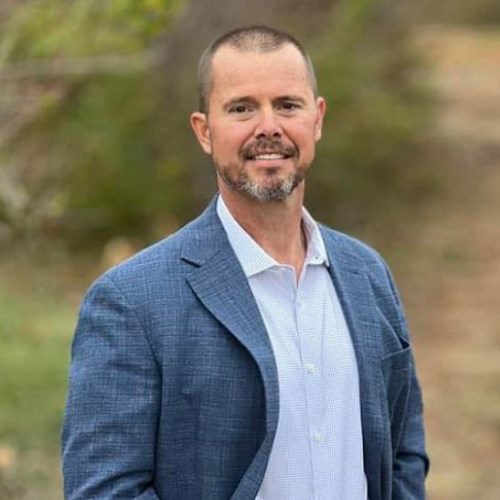
Dennis Shriver | Hearthside Homes
Places You Can find us




We think you’d also like this
podcast
Jun 27, 2024Power of group purchasing: Cardinal Crest’s co-founders talk CBUSA benefits
Tune in to the full episode to hear from Joe and Adam about their experience with starting a CBUSA chapter in Kansas City and the benefits they’ve seen so far.
podcast
Mar 7, 2024Creating a two-way street: How to improve your builder-supplier relationship
Listen to the full episode to hear more about how builders can form and maintain good relationships with suppliers.

Mining CBUSA’s data: Ways to cut costs with group purchasing
The proof is in the numbers: We’re analyzing CBUSA’s data to see how group purchasing keeps teams competitive despite challenges like the skilled labor shortage.