




Contract essentials: How to proactively protect your construction business
Today on “The Building Code,” Zach and Charley are sitting down with returning guest Alex Barthet, managing partner at The Barthet Firm and founder of The Lien Zone. Alex heads up the firm’s construction practice and serves as litigation counsel to several statewide and local contractors and material suppliers.
Tune in to the full episode to hear more about the essentials of construction contracts and how to be legally proactive to protect your business from unforeseen challenges.
Now that the materials market is settling a bit, do you think these contractual clauses will be permanent fixtures for contractors?
“That’s a really interesting question. The answer is no. What we’re seeing in the Florida is now that [the market] has leveled out and the issues are aren’t so dire, owners are pushing back on escalation clauses. So, they were allowing the escalation clauses over the last 12 to 18 months when this was really happening. But now that it’s not such a prevalent issue, they’re saying, ‘No, we need you to give us a price that we can rely on.’ So, we’re seeing it actually come out of contracts more and more. Now that being said, we have smaller contractors that do residential construction and small commercial construction, and their standard contract gives them the escalation rights. So, those guys were doing fine from the beginning, they never had an issue. They would just pass it on.”
How can a builder determine when they should reach out for legal advice or help with their contract?
“Number one, they should look at their contract that they’re handing to people. Does it have terms and conditions that help you if there’s a dispute? Do you have a lawyer that has helped you draft those terms and conditions? If not, you should. Anytime they give someone a document that they’re expecting them to sign, it should have those terms and conditions. Number two, if you have a more formal agreement, has it been reviewed by a lawyer? Most people think that it’s an expensive endeavor. Typically, we charge a couple thousand to review someone’s contract – it’s not an expensive ask. And with the right lawyer, you get that back in spades with the problems that you avoid.”
Links and more
As home builders and residential remodelers begin to wonder what an impending economic downtown means for their business, one thing’s for certain: the more prepared you are, the more resilient you’ll be. Consider this your guide. We surveyed hundreds of home builders and spoke with economic experts for insights on where the industry stands now – and how you can be ready for whatever comes next. Read our recently published 2023 construction outlook to learn more.
Related content:
Check out The Lien Zone for additional online construction law resources. You can also use The Lien Zone’s free artificial intelligence tool that will help evaluate your construction contract.
For more construction legal advice and insights, subscribe to The Lien Zone podcast wherever you prefer to listen. And skip to the this episode to hear our very own Zach Wojtowicz chat with Alex about project scheduling.
Tune in to the last episode of “The Building Code” to hear more about how Jimmy Reed and David Socia, co-founders of Sidar Builders, established the right culture and ensured a close-knit team.
Subscribe here, and never miss an episode.
Got podcast topic suggestions? Reach out to us at podcast@buildertrend.com.
The Better Way, a podcast by Buildertrend:
Looking to add construction tech to your daily processes? On the newest season of “The Better Way, a podcast by Buildertrend,” you’ll get best practices for implementing software and getting your team on board from other industry pros and our experts. Subscribe and stream today wherever you listen to podcasts.
Follow us on social:
Listen to “The Building Code” on YouTube! And be sure to head over to Facebook to join The Building Code Crew fan page for some fun discussions with fellow listeners.
Zach Wojtowicz:
Welcome everybody. I’m Zach Wojtowicz.
Charley Burtwistle:
And I’m Zach Wojtowicz.
Zach Wojtowicz:
And today Charley steals my personality because he just wasn’t cutting it.
Charley Burtwistle:
Well, everyone that listened to the last episode, I had to hold true on my promise that I would actually do that.
Zach Wojtowicz:
Oh, you did commit and then I didn’t …
Charley Burtwistle:
Recognize it. You didn’t smile or laugh or anything, so I felt really weird about it.
Zach Wojtowicz:
That probably should have been the sign.
Charley Burtwistle:
That it wasn’t a good joke to start with.
Zach Wojtowicz:
Some of us have it. Some of us don’t.
Charley Burtwistle:
Yeah, and I don’t. But what I do have is a fantastic guest for us today. Alex Barthet, who is an attorney at the Barthet firm to talk about some contractual law and some things that your business can be doing to not get into a, “Holy crap, I need help,” moment, but be proactive and protected up front. So very, very excited to have him on. Are you excited to talk to some laws, Zach?
Zach Wojtowicz:
And I actually have met Alex. I was an esteemed guest on The Lien Zone, his podcast he was doing for a long time.
Charley Burtwistle:
Really?
Zach Wojtowicz:
Charley’s finding out …
Charley Burtwistle:
When was that?
Zach Wojtowicz:
I wasn’t going to tell you about it, I figured.
Charley Burtwistle:
Was it recently?
Zach Wojtowicz:
Yeah.
Charley Burtwistle:
When?
Zach Wojtowicz:
A couple weeks ago. We talked about Buildertrend. So, if you …
Charley Burtwistle:
Did you talk about me?
Zach Wojtowicz:
I mentioned that I was the co-host of “The Building Code.” I may have dropped the co, actually, I may have just said the host of “The Building Code.:
Charley Burtwistle:
The host of “The Building Code.”
Zach Wojtowicz:
Maybe you go listen to the episode, find out.
Charley Burtwistle:
I will on my way home.
Zach Wojtowicz:
I would love for you guys to go support Alex and listen to his podcast in general. It’s super educational. We talked about best practices of scheduling, it was a ton of fun. Enough about that. Let’s get them in here and let’s start talking about some legal education in the construction industry.
Charley Burtwistle:
Let’s do it.
Zach Wojtowicz:
Alex, welcome back to “The Building Code.” It’s great to see you since I was last on the lien waiver podcast and you’ve been on “The Building Code” before back in episode 63. How’ve you been?
Alex Barthet:
Wow. Good. That sounds like a long time ago.
Zach Wojtowicz:
It is. We are on episode, you’re episode 180.
Alex Barthet:
Wow.
Zach Wojtowicz:
It’s been a stretch. There were different hosts back then.
Charley Burtwistle:
Yeah, I like to call that time-
Zach Wojtowicz:
The dark times.
Charley Burtwistle:
No, not the dark time at all. Tom and Paul were great. I was going to say, I like to call it BC for before Charley.
Zach Wojtowicz:
Oh, boo. Boo this man.
Charley Burtwistle:
I actually listened to that episode because I needed to do some research on lien waivers. I’ve not heard Zach’s episode.
Zach Wojtowicz:
I was about to ask. Rate my performance.
Charley Burtwistle:
But we’ll link it in the show note and everyone can check it out. But for those listeners that aren’t longtime listeners and didn’t get a chance to check out that episode, could you tell us just a little bit about yourself and your background?
Alex Barthet:
Sure. Again, my name’s Alex Barthet. I’m a board certified construction lawyer here in Florida. I went to engineering school, decided to go to the dark side, become a lawyer, join my father. And now we have 13 lawyers. All we do is construction law in the state of Florida. So, we help contractors, architects, engineers, subcontractors with their construction contracts, payment issues and construction disputes.
Zach Wojtowicz:
Fantastic. Well, Alex, we wanted to bring you on today to talk about legal contracts and the ins and outs. It sounds like you’re highly qualified for it, certainly more than Charley and I. So, tell us a little bit about your focus in the construction law industry. What are the things that you deal with on a daily basis?
Alex Barthet:
So, we try to spend our time keeping our clients out of trouble. For some clients that’s easier said than done. Construction professionals are an interesting bunch, very optimistic, great risk-takers. So, sometimes that causes them to maybe bite off a little more than they can chew. That’s a politically correct way of saying that.
Zach Wojtowicz:
They’re ambitious.
Alex Barthet:
Yes. And sometimes that means they need a lawyer. So, we spend a lot of time working on their construction contracts, whether that’s drafting them from scratch, modifying what they have, amending contracts that other people give them. And we like to think that is the best use of a client’s money. It’s much better to spend that money early on, a few thousand bucks, tighten up your contracts. And that can go a long way at minimizing or avoiding problems in the future.
Zach Wojtowicz:
Amazing. We’ve had a few construction lawyers here on the podcast and we’ve learned some things that are pretty interesting. And this is not on script, so to speak. And one of the things we saw in 2020 was a pandemic that led to unprecedented material shortages. And we’ve heard about different clauses and contracts. What was navigating that 2020 contract environment like when the prices were jumping up, but seemingly by the hour? What was that experience like for you?
Alex Barthet:
It was challenging. We were flooded with phone calls. Again, a lot of this happened, I would say 12 to 18 months ago was really, at least here in south Florida, when it all really hit the fan. And there was a lot of angst because people signed contracts that had a pretty clear no escalation clause and now they’ve got material prices in every sector of the construction economy going up 10%, 20%, 30%, 50% on top of which … So, dollars are one thing. We had other clients that said, “It sucks, I’m losing my shirt. But I can’t even get the stuff. Forget about what I’m willing to pay.” So, one of the things we had here, and I’m aware that it happened in other parts of the country as well, just concrete is a great example.
Concrete was just being rationed. You were put on allocation. You would call and say, “You wanted 35 trucks, we’re going to send you four, so figure it out. We’ll send you the other ones maybe tomorrow, maybe next week.” So, between the dollars and the time, it was a real challenge. And what we saw is that the more sophisticated owners and contractors and subs realized this is a problem they had to solve together, not adversarialy. And those are the projects that did the best and got through this and avoided litigation.
Charley Burtwistle:
So, in that specific example you just gave, could you go through the solution there? Is it group purchasing, is that what you mean by that? Or is it just more diligent upfront work from a contractual standpoint?
Alex Barthet:
Yeah, so what we did when it was happening, there were two sets of problems. Problem number one was, “I signed a contract before that pretty much gives me next to no rights now. How do I deal with this problem?” And problem number two was, “I’m about to sign this contract. What do I put in this contract that I have to sign tomorrow to make sure this doesn’t sink me in the future?” There are different problems with different solutions. So, problem number one, which is, “I’m dealing with a contract that I have no rights,” and that’s the majority of them, especially more sophisticated contracts that subcontractors, sign more sophisticated contracts that owners gave to contractors to sign.
What we did is we helped them work on a letter. We would review the existing contract that they have, we would try to find different angles to try to create some legal argument that they’re entitled to some relief. Typically, it was hard to come by. A lot of people like to talk about force majeure, but the reality is that most contracts did not have a force majeure clause, did not give the contractor the right to ask for more money. So, we would, in essence, make a request that sounded somewhat legal, but was really more of a courteous ask saying, “Look, you’re getting the benefit of rising per square foot prices, rents, better pro forms, in your project because of demand.
Why should we pay the cost of the benefit that you’re getting?” Plus, we mixed in a few legal things. And many times our clients were happy getting 10%, 20%, 50% of what they were out just to keep going, to make it more palatable. So, that’s what we did. We had a lot of clients have great success in those negotiations and pretty much all of them avoided litigation. The second problem was, “What do I put into a contract today to sign to avoid this from happening in the future?” And we would write escalation clauses and time extension clauses that quite frankly were pretty simple.
And then it was just up to the client to negotiate the resolution. How much of an escalation and concrete before you’re entitled to get that? Do you get overhead in profit on the escalation? How do you prove the escalation? So, you get in the weeds on those depending on the project. But those were easy to solve once you realize the problem. But we haven’t seen much litigation associated with contract disputes related to escalation.
Zach Wojtowicz:
Well, that’s good to hear.
Alex Barthet:
Yes.
Zach Wojtowicz:
I kind of expected the opposite. But one thing I’m interested in, do you think these clauses will be permanent fixtures now for contractors?
Alex Barthet:
That’s a really interesting question. I actually have the answer and the answer is no. So, now that things … What we’re seeing in the Florida, especially the South Florida market, is now that it has leveled out and the issues are aren’t so dire, owners are not allowing, or are, I should say, pushing back on escalation clauses. So, they were allowing the escalation clauses over the last 12 to 18 months when this was really happening. But now that it’s not such a prevalent issue, they’re saying, “No, we need you to give us a price that we can rely on.”
So, we’re seeing it actually come out of contracts more and more. Now that being said, if you’re a contractor, and you have your own form of contract, and you have the ability to have the leverage in the bargain, you put in an ability to ask for escalation whenever it happens. And we have smaller contractors that do residential construction, small commercial construction, and their standard contract gives them the escalation rights. So, those guys were doing fine from the beginning, they never had an issue. They would just pass it on.
Charley Burtwistle:
So, something I’m really curious about is, and you mentioned a little bit about the different demographics of people that you work with. Is it primarily … I would imagine you prefer when people are more proactive about getting their contracts in place as opposed to calling you up when something went wrong, and they need help. What would you say the split is there from helping people on the front end to trying to bail people out on the back end?
Alex Barthet:
90/10, 90% we have to fix the problem after it happened, 10% people call us before or as the problem is happening.
Charley Burtwistle:
So, to hopefully help our listeners out there who are wanting to be more proactive, what are maybe some signs that they should reach out and get contractual help right now? Or maybe warning signals that trouble could be coming. Is there a way to know the right time to reach out to someone like you?
Alex Barthet:
Oh yeah, it’s actually pretty easy. So, the first thing someone should do is they should look at their contract that they are handing to people. By the way, this includes purchase order, an estimate, a proposal, those are all contracts, and they can have terms and conditions. And if you put terms and conditions in them and someone signs them, that’s your contract. So, number one, what are you handing to someone, and does it have terms and conditions that help you if there’s a dispute? Do you have a lawyer that has helped you draft those terms and conditions? If not, you should.
So, that anytime you give someone a document that you’re expecting them to sign, again, purchase order, a quote, it should have those terms and conditions, number one. Number two, if you have a more formal agreement, has it been reviewed by a lawyer? Most people think that it’s an expensive endeavor. Typically, we charge a couple thousand to review someone’s contract, it’s not an expensive ask. And with the right lawyer, you get that back in spades with the problems that you avoid. And then the other thing we offer, if you go to contractdetective.com, which is our free artificial intelligence tool.
Anybody can do it, it’s intended for Florida contracts, but we have seen a lot of people in other jurisdictions submit their contracts. You upload your contract, it then highlights 10 types of provisions we’ve identified are the most dangerous. It points them out in the contract, and it has a link to a five-minute video on each of those provisions and explains what those are. So, for example, you can upload a 60-page construction contract. It’ll identify all the spots where there’s consequential damage provisions, and then there’ll be a link for you to watch a video on what are consequential damages.
What should you consider when you are negotiating a consequential damage provision in your contract? What do sample consequential damage provisions look like? And again, it’s completely free, takes about three minutes. And everyone should use it, so you can at least have a better understanding of what a contract says, especially if one is given to you.
Charley Burtwistle:
Gosh, Alex, I don’t say this lightly, but I’m looking at this site right now. This may be the coolest thing I’ve ever seen.
Zach Wojtowicz:
Data guys just like, “Whoa.” The podcast has to end. I’ve got to go look at this right now.
Charley Burtwistle:
Well, I need to first of all, draft up a contract for something. Maybe I’ll renegotiate my salary for doing this podcast in a contract form because I …
Zach Wojtowicz:
Zero.
Charley Burtwistle:
Our leverage is not great. I just need an example to mess around with this website. This is sweet. We will definitely link this in the shownotes for people out there. What a great resource.
Zach Wojtowicz:
Alex, what’s funny is people call us all the time and they’re like, “Do you guys provide any standard boiler-plate contract language that I can use and put in the Buildertrend software to be more compliant?” And our response and customer success has always been like, “Do you want us to provide legal contract?”
Alex Barthet:
You probably should get a lawyer.
Zach Wojtowicz:
Yeah, I’m always like, “Sir, I went to school for political science, but I am not an attorney. I recommend …” But that’s my question is, all this new technology and all this innovation that’s happening, and even legal tech has some really amazing stuff coming out. I don’t know if you know much about that, Charley.
Charley Burtwistle:
No, I’m not up on legal tech. My bad.
Zach Wojtowicz:
Is there a world where people can get self-served contracts that are created and are compliant with the standards of the localities and jurisdictions that they’re serving in? Where it’s self-service and get a contract and make sure it’s good to go?
Alex Barthet:
No, it doesn’t really exist. There are various trade organizations that publish construction contracts that get you close. So, there’s the most common one, which is the American Institute of Architects, the AIA contract documents. And they’re good. A lot of people like to use them as a base and then modify from there. But a lot of the details come in that modification. How are you going to make it better for you and compliant in the state that you’re in? So, a good example is an AIA construction contract out of the box does not include the right to recover attorney’s fees if you have to sue somebody. Well, that’s something that a lawyer is going to have to add to the contract for you.
If you use it for construction contracts in Florida, to have lien rights, you need to include a disclaimer and the failure to include that disclaimer could void your lien rights. Well, that’s not in the standard AIA contract. So, the answer to your question is you can get close, and we see a lot of people cobble together construction contracts, but really if you have a lawyer, you should ask them to review your contract. If you don’t have a lawyer, you should go to Google and type in construction lawyer, whatever your city or county is. And you should find someone that is well versed in construction law, don’t have your uncle who handles trusts and estates or slip and falls, do your construction contract. That would be a big mistake.
Zach Wojtowicz:
Or your random customer success coach.
Charley Burtwistle:
Definitely don’t have Zach Wojtowicz do it. That’d be a last option.
Zach Wojtowicz:
But leave it to you Alex, like, “No, you still need me. My job is …”
Alex Barthet:
Our job is safe … I am not worried about AI taking over my job.
Zach Wojtowicz:
Love it. So, what other things are you helping a contractor build out in their contracts?
Alex Barthet:
So, there’s a handful of construction contract provisions that we see are the most important. Obviously, it’s got to be compliant with the law, especially residential construction. Many jurisdictions have disclosure requirements. So, for example, in Florida, if you go to someone’s house, and you have them sign a contract, you have to give them a three-day right of rescission, and they have to sign a document that says that they were informed of that right, that they could cancel for no reason within three days. If you don’t have that, your contract is not compliant. So, step one again, goes back to making sure you have the right lawyer, but you got to get a lawyer that knows the area of the law.
Number two, as far as business terms, I encourage clients to think. It’s actually pretty simple. Think about the last year, two, five years, 10 years of things that have gone wrong. What has gone wrong on projects that you were on, and how can you write a contract provision that would minimize or avoid that situation? And those are the types of provisions that you want to have in. I do construction work, I show up to the job all the time and they don’t have access. I get there, access is not available. Well now you’re going to add a provision in your contract that they have to grant access to the project Monday through Saturday, 7:00 AM to 6:00 PM.
So, if you just think about where you’re spending your money, where you’re inefficient, where you’ve had problems, where you’ve had disputes, you should have provisions that deal with all of those issues. We have a contractor client that’s been a client for, I don’t know, 20 some years. And he has his terms and conditions that he helped us prepare, but he has his own set of exclusions and comments, and they’re all numbered. I think he’s up to number 36.
And each one of them is a story that he can tell you about a job that went wrong. If you point to number 18, he say, “Oh, that was Mrs. Smith. She did this to me. So, when that was done, I added point 18 into the contract, so that would never happen again.” Everyone should be doing that. Having those types of exclusions will go a long way at protecting you. Forget about all the legal stuff.
Charley Burtwistle:
Yeah, like the truest definition of fool me once.
Alex Barthet:
Correct.
Charley Burtwistle:
But with the law.
Zach Wojtowicz:
Yeah, you don’t want to mess with … The law is not one that I want to make one mistake, let alone have to learn on the fly. It’s definitely good to have someone who has done it before. And it’s funny, you’re like, “Oh, try to think about what’s going on in construction.” It’s like, “Oh, nothing ever goes wrong in construction.” That exercise alone could lead to, like you said, a 60-page contract. Is that a typical length for a contractor? Is a 60-page … Is that by scope, project?
Alex Barthet:
So, we typically see a direct correlation to the contract value and the number of things.
Zach Wojtowicz:
Terms and conditions.
Alex Barthet:
Yeah. So, contracts that are in the tens to hundreds of thousands of dollars, you can do fine with 1, 2, 5 pages. You get into the low millions, now you’re looking in the low tens of pages. And then beyond that you’re probably getting into the tens of millions. Now, you’re probably in the 50, 80 pages of terms and conditions.
Zach Wojtowicz:
Charley Burtwistle territory.
Charley Burtwistle:
Something like that. Zach’s in a Friday mood today, I’m not sure what’s going on.
Alex Barthet:
Clearly. You guys are drinking, are you guys…
Zach Wojtowicz:
No, we don’t drink on the pod.
Alex Barthet:
You should’ve told me I would’ve had a beer or something.
Zach Wojtowicz:
Get it out. Yeah, you can always have … If you’re on four o’clock Friday spot, all of our future guests, there might be some libations nearby.
Charley Burtwistle:
Stay hydrated with some Powerade. I’ve said this to multiple people before. If I could have a second life, I think I’d want to be a lawyer. I find everything you’re saying so fascinating. And on the side, I’m just scrolling through The Lien Zone on your website and you guys have a ton of free resources, which I’m definitely going to geek out on. We’ll link to that in the shownotes. But for our listeners, could you guys just talk through what all you have listed out there and maybe a good place to start? If they’re listening to this, they’re a little worried, they’re like, “I’m not sure if I’m protected in the way I should be,” or, “I do have questions about this.” Just maybe a quick overview of that site would be really beneficial.
Alex Barthet:
So, we started The Lien Zone, I think we’re probably 15 years ago, maybe even a little longer. And it’s separate from our firm website. It’s just a resource for those in the construction industry, again, focused on Florida. We have articles on various topics, delays, liens, bond claims, contract issues. So, it’s a good place to get some questions answered. But we’re big on tools. We’re big on giving away as much information as we can to have people as informed about the process and the intricacies of the law as possible.
So, I told you about the Contract Detective, so that was launched a little less than a year ago. It’s great success. Every day a handful of people are using it. So, it’s great to see that resource being used. We also offer a couple of other desk tools. Again, really for Florida. So, this is the Calc-U-Lien. In Florida, you have to calculate when your notice to owner is due, which is 45 days and when your claim of lien is due, and that’s 90 days. So, this is a little …
Zach Wojtowicz:
That is so cool.
Alex Barthet:
Calendar and calculator to calculate when the 45 and the 90 days is. So, we give this away for free. You can go to The Lien Zone website or calculien.com.
Charley Burtwistle:
Zach, us going to sitting one of those on my desk on Monday.
Zach Wojtowicz:
Yeah, we’re going to be like …
Alex Barthet:
Then we have this one. This is called the Lien-O-Matic.
Charley Burtwistle:
Oh my goodness. You guys have a lot of fun …
Zach Wojtowicz:
This is so cool.
Alex Barthet:
We do.
Zach Wojtowicz:
Where’s our stuff? We want building cut stuff. Where’s our stuff? Sorry.
Alex Barthet:
And then it tells you, you pull the little slider down and you find where you are on the project. And it says I’m the subcontractor. You line up the arrow and down here it tells you what to file and when you have to file it.
Charley Burtwistle:
Your engineer is showing a little bit here with … Just a little bit.
Zach Wojtowicz:
How long did it take you to design? Were you using software, the whole thing?
Alex Barthet:
Took a long time. And we’re probably a little less than a month away from releasing an updated app available on the iPhone and Android, which will include an app version of the Calc-U-Lien, the Lien-O-Matic. And it will allow you to use your phone and take a picture of your contract and then it will send you all the information, the Contract Detective will. So, it’ll scan the contract from the photo and send that to you, and then link to the podcast as well. Yeah, we think that, like you guys do, the more educated a consumer is of our service, the better they will appreciate us and the better off their business will be in the process. So, we give away lots of free stuff.
Zach Wojtowicz:
That’s so cool, Alex. Yeah, developing an app. Not a cheap endeavor either, but really great that … It’ll be on my phone. I can’t wait. So, send us back. I want to know when it hits the store.
Alex Barthet:
Okay, I’ll do it.
Zach Wojtowicz:
Thank you.
Charley Burtwistle:
You also mentioned the podcast as well, which I’m a little salty about that Zach was recently on it.
Zach Wojtowicz:
I couldn’t tell him because of his reaction, he’s handling it very maturely.
Charley Burtwistle:
You’re lucky we’re recording right now. But I am curious, and obviously, we’ll link to that in the shownotes as well, but what are some of the topics? Because I was scrolling through on the side here, looks like you cover a pretty wide range. It’s not even all law related, but more or less just construction.
Alex Barthet:
Yeah, it’s always construction related. And what we do is, it’s mostly me talking about a specific issue, how to make a claim on a payment bond, how to defend yourself if you have a claim on a performance bond. If you’re owed money, what steps should you take, how to deal with construction contract issues. But we occasionally interview some folks. I think a recent episode was on succession planning in your construction business.
I’m a construction business owner. How do I leave the business so that I don’t have to work in it all the time and have other people do it so that it continues after I stop working. So, we spoke with an expert in the area, and she talked a little bit about how to make that happen. So, yeah, we cover lots of different topics. If you are a business owner or in credit and collections, project manager or one day want to be a construction business owner, our podcast like yours are relatively short, anywhere from 5 to 25 minutes depending on the topic. And we just try to leave you with something, so that you can implement it right away and make your business better.
Zach Wojtowicz:
Fantastic. So, just to end, if I was a contractor, and I was looking for legal advice, what should I do? You mentioned Google it, but what else?
Alex Barthet:
Yeah, so the first thing I would say is talk to someone you trust that’s in construction and ask them for a referral. It’s always nice to be able to say, “Well, I’m a plumber. I know this other plumber, who does she use for her legal work?” And maybe they’ll say, “I don’t use anybody,” or, “I use this person, and they’re great.” Or, “I use this person and I’m about to switch, so don’t ever use that person.” So, a personal referral is a good idea. Going to Google is helpful. Check out people’s reviews. Obviously, most people go and get a review before they go to a dentist or go out to dinner.
You should do the exact same thing with your lawyer. Be worried about a construction lawyer that has no reviews or even worse, bad reviews. But unfortunately, reviews in the legal space are pretty rare. So, the idea that someone has a handful, it’s not the end of the world, but you have to feel comfortable with whoever you decide to hire. And don’t hire someone just based on price. Don’t hire the person that is less expensive than a person that has more experience and is maybe better, that is more expensive.
And in many states, there are certifications like in Florida, you can become board certified in construction. So, look for someone that’s board certified in the area of law that you need help with. That’ll cut down the number of people that you’re going to consider substantially from the potentially dozens down to probably a small handful.
Zach Wojtowicz:
Amazing. That’s great advice. Well, Alex, it’s been a pleasure. We’d love to have you back. This was, we flew by. I can’t wait to see what new tools you have on your desk the next time we have you on. Sure you got more cooking up that you don’t have to share.
Alex Barthet:
Yeah, we do actually.
Zach Wojtowicz:
Yeah, I bet. I knew it. And yeah, thank you. Thank you so much.
Alex Barthet:
No problem. Thanks guys. I really appreciate it.
Charley Burtwistle:
Well, Zach, we just had Alex on “The Building Code.” What do you think that was?
Zach Wojtowicz:
That was pretty good for an intro and the outro. You’ll get better.
Charley Burtwistle:
Thanks. I appreciate you letting me have this one.
Zach Wojtowicz:
I just want to coach you up a little bit.
Charley Burtwistle:
So, are you going to tell me what you thought or do I have to do both parts?
Zach Wojtowicz:
You do that part, too.
Charley Burtwistle:
Well, I thought Alex was extremely informational, and I actually wasn’t joking. I’ve told a couple of our in-house people here at Buildertrend, Sam and Nick if they’re listening, that in another life, I would’ve loved to be a lawyer.
Zach Wojtowicz:
It’s never too late.
Charley Burtwistle:
I’m not sure if I have the …
Zach Wojtowicz:
Fortitude?
Charley Burtwistle:
Fortitude, commitment, capabilities to do it, but I can interview-
Zach Wojtowicz:
I disagree. I think you could do it.
Charley Burtwistle:
… Really smart people. And Alex fit that description to a T. So, yeah, I just find it fascinating. Their entire job is to think about the worst possible things that could happen to you and protect you from that. And nobody likes thinking about the worst possible things that could happen. So, pay someone else to do it. And it is just awesome to hear someone take an innovative approach such as he’s doing where they have the Calc-U-Lien and …
Zach Wojtowicz:
The props.
Charley Burtwistle:
… The Lien-O-Matic.
Zach Wojtowicz:
Educational resources.
Charley Burtwistle:
The lien detective and things like that. So, it was a refreshing … I like our lawyers here, too, but when you think lawyer, you don’t typically think someone is cool and as fun as Alex who did before we started recording, invite us to Miami. So, we may have to take them up on that. But no, great episode. What did you think, Zach?
Zach Wojtowicz:
Learned a ton. It was really interesting. We’ve had a few construction attorneys, I mentioned that in the interview. And so, it was really fascinating to hear that the contractor client relationship is shifting, these clauses are being removed from contracts. I think that’s a good sign, too, of the material shortages on the tail end of that. And so, things are able to be able to be built in more realistic timelines. And that’s really positive.
And really great advice from Alex on a lot of different things, what clauses to include and the bigger your contract, the longer the contract details are, which makes a ton of sense. And then also the tool of looking through and understanding the provision. That’s incredible. So, definitely recommend checking those out. And as always, we really love having you listen to “The Building Code,” and we hope to bring more content link to all of our listeners more as we go. So, any last thoughts there?
Charley Burtwistle:
Just when you said, “As always,” I thought you were going to say, “Like, review, and subscribe.” And you didn’t. But we do need to start saying that. I looked up our reviews the other day, and we actually got a really nice one in March. But before that, the last one we had was my friend who I said I would buy him a drink if he gave us a review.
Zach Wojtowicz:
Did you deliver?
Charley Burtwistle:
Yes, I did.
Zach Wojtowicz:
Wow.
Charley Burtwistle:
But we would appreciate that if you guys could go out there and do that and help us keep our jobs. Unless you don’t like us, in which case don’t give us a review. But until next time, I’m Charley Burtwistle.
Zach Wojtowicz:
I’m Zach Wojtowicz.
Charley Burtwistle:
And this is “The Building Code.”
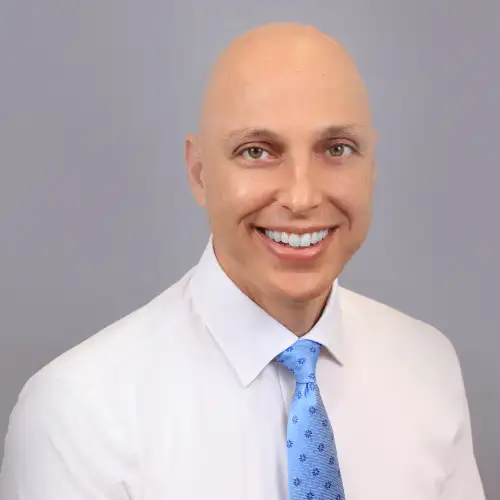
Alex Barthet | The Barthet Firm
Places You Can find us




We think you’d also like this

e-book
Nov 1, 2020Essential elements of a construction contract
Handshake agreements won’t cut it in construction. Use our guide to get started and protect your business from legal conflicts with a foolproof contract.

podcast
Apr 28, 2022Safeguarding your construction business with Scott Green
On this episode of “The Building Code,” Zach and Charley discuss the importance of construction law and safeguarding contracts with Scott Green, managing partner at The Green Law Group. Scott shares his top three ways to be the best contractor from a legal perspective.

Be sure to avoid these 3 common contract mistakes
How well do you know your building contract? Be sure you avoid these three common contract mistakes and properly protect your business.