Preconstruction explained and best practices: How to efficiently kick off projects

Preconstruction is the essential planning stage to get everything prepped for construction to begin. As you know, while no building takes place during this process, it’s a critical piece to make sure the project runs smoothly. Read on to learn how to improve your preconstruction management.
Preconstruction planning involves a series of important steps from budgeting to material selection to scheduling. Each step requires careful preparation and strong communication.
As much as you may want to get moving with construction, you can’t jump right into the action. Before the digging and the sawing and the installing, you must go through the hiring and designing and estimating. These steps set a solid foundation for a well-executed project.
- What does preconstruction mean?
- Why is the initial phase of construction important?
- What happens before breaking ground?
- What are the key deliverables of the preconstruction phase?
- What are the risks associated with preconstruction?
- Preconstruction best practices
- Use Buildertrend to simplify the preconstruction phase
- Preconstruction FAQs
What does preconstruction mean?
Preconstruction refers to the phase of a project before actual construction begins. Activities associated with preconstruction include creating blueprints, estimating project costs, obtaining permits, hiring contractors and developing a construction schedule.
In the scheme of the overall construction process, these tasks fit into the initial stages of a project.
Why is the initial phase of construction important?
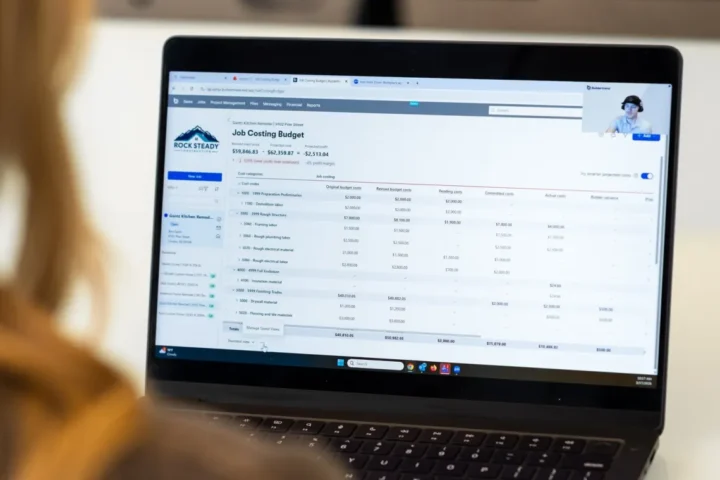
The preconstruction phase in construction is crucial for making smart decisions, staying within budget and having a successful building process. Using a construction project management software will help you organize the details of the planning process.
There are many benefits to the planning stage. Here are a few reasons why you should invest your time in the preconstruction process.
Controls costs
After the estimating and budgeting, project owners will have a better idea of the expenses involved. When project managers have this information, they’ll recognize cost-saving opportunities like choosing alternative, less expensive building materials. The project manager will assess these saving opportunities and how to eliminate unexpected expenses. Staying on budget is a direct result of effective preconstruction management.
Improves efficiency
With careful planning and the development of a detailed project schedule, project managers can optimize resources and minimize delays. Job scheduling makes this part of the process run smoothly by sharing the calendar and tasks with the entire project team.
Increases collaboration
Project owners, clients, architects, engineers and designers all need to have a shared understanding of project goals – the project’s success depends on it. During preconstruction, all project stakeholders collaborate to help lift the job off the ground. It’s best to use a good construction management software like Buildertrend as your communication platform.
Lowers risks
This is the time to identify and address potential risks. By conducting site assessments, you’ll spot risks such as flooding hazards or erosion. By proactively identifying these risks, project managers will have time to troubleshoot possible solutions before construction begins.
What happens before breaking ground?
There are several steps in the preconstruction phase. This includes activities such as:
Step 1: Project planning
First, you’ll define the scope and goals of the project. Let’s say you’re about to begin a residential newbuild. During project planning, you’d need to determine the layout, size and design of the project. This includes the clients working with the architect to determine the number of bedrooms/bathrooms, an open or closed concept floor plan and specific feature requests.
Initial drawings and blueprints should be reviewed as well. In this step, you’re working through how to keep the clients’ needs within their budget. Look into preconstruction service agreements so you don’t miss out on getting paid for the work you do in this stage before the contract is signed.
Step 2: Procurement
After the project plans are set, it’s time to secure the materials and labor needed for the job. Construction procurement involves sourcing suppliers, getting quotes/bids and negotiating contracts.
If a client is requesting a kitchen remodel, the procurement stage would involve identifying products and materials such as kitchen cabinets, countertops, appliances and fixtures. After evaluating quotes on these items and selecting vendors, you’d finalize and procure the materials needed for the kitchen remodel.
Step 3: Site preparation
At this point in the process, it’s time to get the site ready for building to begin. If you’re constructing a new house or preparing for an addition, the preparation is similar.
Clearing out all structures or vegetation comes first. If your project includes a basement, you’ll probably need to excavate for a new foundation. Site grading comes next, and it’s done to ensure proper water drainage and to level the ground. Once you’ve got a properly leveled and graded site, building can begin.
What are the key deliverables of the preconstruction phase?
There are many results to aim for during the preconstruction phase. The key deliverables of the preconstruction phase may include the following.
1. Project plan
Your goal here is to define the scope, objective, timeline and required resources. The project plan includes detailed drawings and floor plans as well as the construction timeline, labor and equipment required.
2. Permits and approvals
Study up to make sure you are complying with local regulations and zoning requirements. For example, if you’re building an addition for a client, you need to submit plans for a building permit before starting the work.
3. Contracts and agreements
This is where you establish the legal and financial details of your project. The contract will outline the responsibilities of all parties involved in the project.
4. Feasibility studies
These studies consider the project potential by looking at factors such as market trends, site conditions, estimated costs and potential revenue. The purpose here is to determine expected financial return on the project.
What are the risks associated with preconstruction?
There are common risks involved in the preconstruction phase. Here are a few of those risks and some tips on how you might solve them.
Design changes
Changes may arise due to client preference or design flaws. Either way, this typically means delays and cost increases. Clearly defining the scope at the beginning of the project and having a set time for design review can minimize the need for these changes.
Permitting delays
The permit process is time-consuming and involves coordination with outside agencies. At the beginning of the project, identify all necessary permits and get started right away. Once you’ve put the approvals in motion, regularly check in on the progress.
Budget changes
Poor budget planning affects the success of the entire project. Budget constraints usually end with low-quality work and upset clients. Avoid this by performing a detailed estimation of material, labor and permit costs.
Scope creep
This refers to the project growing beyond the original scope. This may stem from client demand or unclear project requirements. At the beginning of the project, be very straightforward with your client and all stakeholders on project details. A shared understanding of the project scope is essential, as is your process for addressing any project updates.
Preconstruction best practices
There are many best practices that construction companies should follow in the preconstruction phase. Follow these best practices to minimize risk and improve project outcomes.
Define project objectives
Lay out the project goals and agree on a project vision. This shared vision is step one, and it’ll be the deciding factor on design, materials choices and subcontractors to hire.
Conduct thorough site assessments
Evaluate the site for any issues. A few considerations are soil stability, drainage and any risks such as flooding or protected habitats.
Develop a comprehensive project plan
Outline the entire construction process including timelines, tasks and materials. This is your roadmap for the project and should include project management best practices, scheduling and resource details.
Perform detailed cost estimation
Estimate the cost of labor, materials, equipment and permits. This step is important for setting a realistic project budget.
Identify and mitigate risks
Recognize potential threats and uncertainties that may impact the success of your project. To avoid material price fluctuations, set up supplier contracts to lock in material prices.
Coordinate with stakeholders
Communicate with all stakeholders including clients, engineers, architects, subcontractors and suppliers. Regular preconstruction meetings and a good construction management software will keep everyone in the loop.
Obtain necessary permits and approvals
Secure permits and approvals before breaking ground. Do this by identifying necessary permits and ensure all paperwork is submitted to the correct authorities.
Develop a procurement strategy
Outline how materials, equipment and services will be procured in your construction project. Identify a reliable supplier for your materials, negotiate the terms and set a schedule for a well-timed delivery to your construction site.
Document and track project information
Maintain records of contracts, permits and change orders, and communicate everything with your project stakeholders. This is an excellent area where your construction management software can take over as a centralized communication hub for all project updates.
Use Buildertrend to simplify the preconstruction phase
It’s time to simplify and set up your projects for success.
Buildertrend is here to help with Buildertrend Takeoff. Takeoff replaces the old manual blueprints measurements and replaces them with digital, accurate material and cost numbers.
Schedule a demo today to see how Buildertrend can upgrade your preconstruction management process.
Preconstruction FAQs
Get answers to the most common preconstruction questions.
During preconstruction, contractors and suppliers can be selected through bidding, prequalification or negotiation. They either go through a competitive bidding process, or the contractor invites prequalified contractors or suppliers to submit bids for the project and negotiations follow.
The length of the preconstruction phase can vary from a few weeks to a few months based on your project’s size and complexity. Some factors that weigh into the timeline are project scope, design changes, permitting process and coordination/communication with project stakeholders.
During preconstruction, teams work through all the details needed to set the project up for success. This typically includes budgeting and cost estimating, scheduling, design development, site analysis and permitting. Builders collaborate with clients, architects and subcontractors to finalize plans, select materials and define the project scope. They may also conduct value engineering to find cost-effective solutions without sacrificing quality. By the end of this phase, everyone should have a clear roadmap complete with timelines, expectations and a well-defined plan – so construction can begin with confidence.
Preconstruction is the planning and preparation phase of a construction project that happens before any physical work begins. It’s where builders, contractors and clients align on the project’s goals, scope, budget and timeline. Instead of picking up tools, the focus is on making informed decisions, including evaluating feasibility, refining designs, estimating costs and identifying potential risks. A strong preconstruction process helps ensure the project runs smoothly, stays on budget and avoids costly surprises once construction starts.
The preconstruction phase involves collaboration with the client, architect, engineer, construction manager, subcontractors, suppliers and local government agencies. Everyone performs their separate tasks in preparing the project to break ground.
Based on what you just read, we think you'd enjoy...
These suggestions are made by our team to help you find builders and stories that you relate to!
Back to all blogs