Top 5 construction project management best practices

Published:
Updated:
Construction project management is the process of planning, coordinating and overseeing every phase of a build – from pre-construction to final handoff. Successful project managers rely on proven best practices to keep projects on schedule, control costs and ensure clear communication across teams.
In this guide, we break down the top five project management best practices for construction professionals, including how to streamline workflows, improve collaboration and reduce costly delays.
Why is project management important in construction?
Successful construction project management helps to prevent delays, cost overruns and poor quality outcomes. It also helps in optimizing the allocation of resources, management of risks and implementation of effective communication among stakeholders to ensure effective project delivery.
Managing construction projects will help keep jobs on track, within budget and aligned with the desired quality management standards. It maximizes workflow, minimizes risks and ensures a successful outcome.

“Full construction project management in one place has streamlined our overall projects. From sales, to scheduling, cost oversight and client experience all in Buildertrend – it’s amazing.”
Art Pontes, President of BRR Contractors
The top 5 project management practices in construction
So, how do you get it all done while ensuring your projects stay on track and finish on time?
Check out these five best practices for construction project management to see if you are implementing all the tools and have the systems in place to keep your business running smoothly.
1. Set expectations for your projects
Before starting any type of construction project, it’s important to lay out expectations, but it’s especially important for construction projects. Why? Well, you want to make sure your expectations and goals are aligned with those of the project stakeholders. Jumping into a complicated project like building a house before setting expectations is like taking a road trip without directions. You may reach your end goal, but not without wasting time and money – two things you most certainly want to avoid.
Setting expectations includes important steps like creating a detailed timeline, determining project milestones and deliverables, addressing the budget and setting a finish date. Making these critical decisions and putting them in writing before the start of a project will prevent setbacks and enable the project’s success.
2. Prioritize open internal communication
Communication is an essential component to the success of any business. Especially now, with many people working remotely, being able to communicate with your project team, subcontractors and clients is everything. Communication features are must-haves when it comes to managing your construction projects. From the construction site to the office, open internal communication ensures you, your team members, your subs and even your clients are always informed of progress or any setbacks that may occur. It also allows for quick dispute resolution to meet the timeframes you set out in the beginning.
In order to keep projects on track, it’s important to communicate and keep everyone on the same page. Using communication tools such as a daily schedule, punch lists, daily progress reports, real-time comments and messages help to keep everyone updated while ensuring you have everything documented in the event of any unforeseen conflicts.
3. Keep your clients involved and happy
Homeowners are excited about their renovation projects, and they want to be involved in the process. So, let them be involved! Staying connected with your clients is important. It not only makes them happy, it’s a great way for you to keep your projects moving. You will oftentimes need your clients input or permission for decision making regarding their product selections, change orders and other finishes. Keeping them involved throughout the project ensures they are engaged and ready when you need them to sign off on final decisions.
Buildertrend makes this easy with one of our most popular features – the Client Portal.
Making your clients feel included during their new home build or renovation project is not only exciting for them, it maintains their trust and fosters a great client relationship. So get ready, they’ll surely be sending all their friends your way.
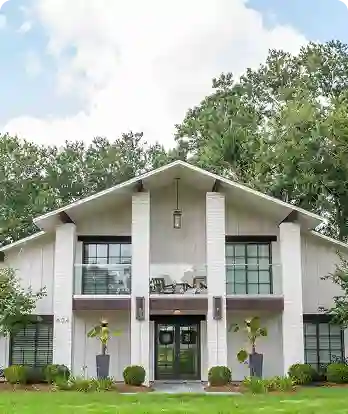
Builder saves 40 hours per week setting up projects
4. Enhance reporting and financial management
Having up-to-date financials and real-time reporting options will really set you apart from other construction companies. Being able to seamlessly track money coming in and money going out is a critical aspect of risk management in construction projects. With unexpected expenses and those pesky change orders, financial tools such as budget, payroll, invoicing, billing, purchase orders, cash flow and online payment options will make your day-to-day money management easy and organized to ensure you stay on budget.
And be sure to use WIP reports so you always know where your jobs stand on a daily basis. These reports will help you track changes, make updates in real time and stay on top of your bottom line.
5. Use construction management software like Buildertrend
These days, it’s nearly impossible to manage construction projects without using some kind of construction project management technology. Software like Buildertrend with the most advanced features for building contract documents, contract management, scheduling, communication, client relationship management, financial management and reporting make managing dozens of construction projects, new builds and remodeling projects efficient and promote a successful business.
The key phases of construction project management typically include initiation, planning, execution, monitoring and control, and project closure.
A construction project manager is responsible for overseeing the entire construction project scope. Their role involves planning project timelines, coordinating tasks, managing sustainability, ensuring quality control, and fostering effective communication with clients and stakeholders.
Project managers are responsible for developing a comprehensive construction plan and identifying risks, challenges, and changes in project scope. Their role also includes tasks like overseeing the selection and negotiation of contracts with subcontractors, general contractors and vendors and managing the procurement of materials and services.
Project progress is tracked through regular onsite inspections, status reports and project
management software. Key performance indicators (KPIs) are often used to measure progress
against the project plan.
By combining these methods and tools, project managers in the construction industry can
effectively monitor progress in the project life cycle, identify potential issues early on and make
informed decisions to streamline the construction process and eliminate issues such as scope
creep.
Common project management mistakes to avoid
Even experienced project managers can run into avoidable issues that lead to delays, budget overruns and miscommunication – especially without clear systems in place. Here are some of the most common mistakes to watch for:
- Lack of clear communication channels
When updates are scattered across texts, emails and calls, critical information gets missed, leading to confusion and costly errors. - Poor scheduling and timeline management
Without a centralized, real-time schedule, it’s easy for tasks to overlap, subcontractors to show up at the wrong time or deadlines to slip. - Inaccurate or inconsistent budget tracking
Failing to monitor costs regularly can result in surprise overruns and reduced profitability by the end of the project. - No standardized processes or workflows
Relying on ad hoc methods instead of repeatable systems creates inefficiencies and makes it harder to scale operations. - Limited visibility across teams and projects
When stakeholders don’t have access to the same up-to-date information, decision-making slows down and mistakes increase.
Avoiding these common pitfalls starts with implementing structured processes, improving visibility and using the right tools to keep every part of your project aligned from start to finish.

Free webinar: Project plan like a $10 million builder: with Breakthrough Academy
Better your best practices with Buildertrend
Keep your projects organized and on track by using Buildertrend as a central hub for all your important job information and quickly implement these five best practices with our easy-to-use software. Give us a call to discuss all the top-notch features, integrations and services Buildertrend has to offer.
Ready to set your business up for success? Schedule a demo today.