Risinger Build Behind the Business: How to transition to a nearly paperless construction company (Part 2 of 5)
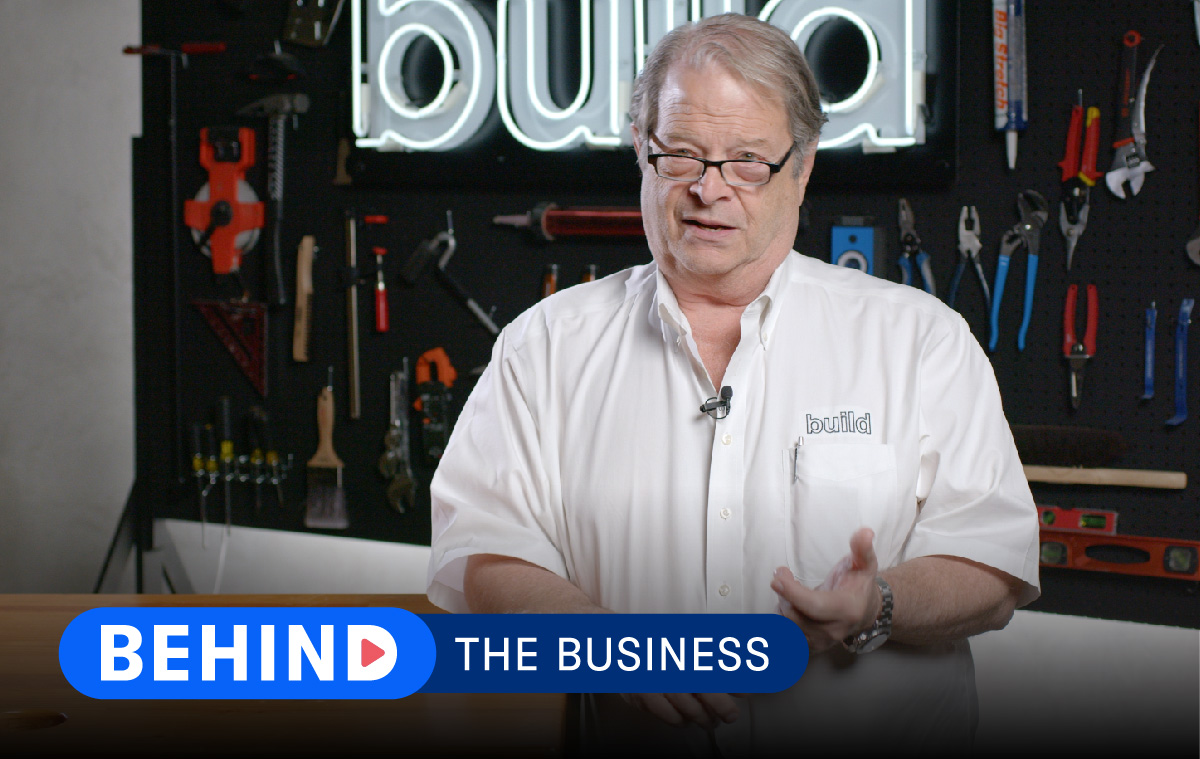
This week, we bring you the second in a series highlighting Risinger Build and The Build Show Network out of Austin, Texas. In this five-part series, you’ll learn from Matt Risinger, CEO and chief builder, and his team about the future of residential construction. Find out how one of the most well-respected businesses in the industry got to its level of success – and the role tech played in helping it get there.
Risinger Build is known for its highly custom homes. It constructs architecturally driven, one-of-a-kind houses with a wide range of selection options. But what also comes with personalized homes are complicated financials and a lot of paperwork.
How do Matt and his team keep the paper trail organized? They don’t. They went paperless.
“An objective I had was to get rid of all the paper. We intercept a piece of paper at its point of origin,” Steve Lesem, COO at Risinger Build, said.
Tim Hill, partner and principal at Risinger Build, said, “We made this sort of intermediate transition to QuickBooks, but as I already knew, you can’t do everything you need in custom home building on QuickBooks.”
By integrating Buildertrend and syncing it up with QuickBooks, Risinger Build was able to cut the paper and simplify its construction management process.
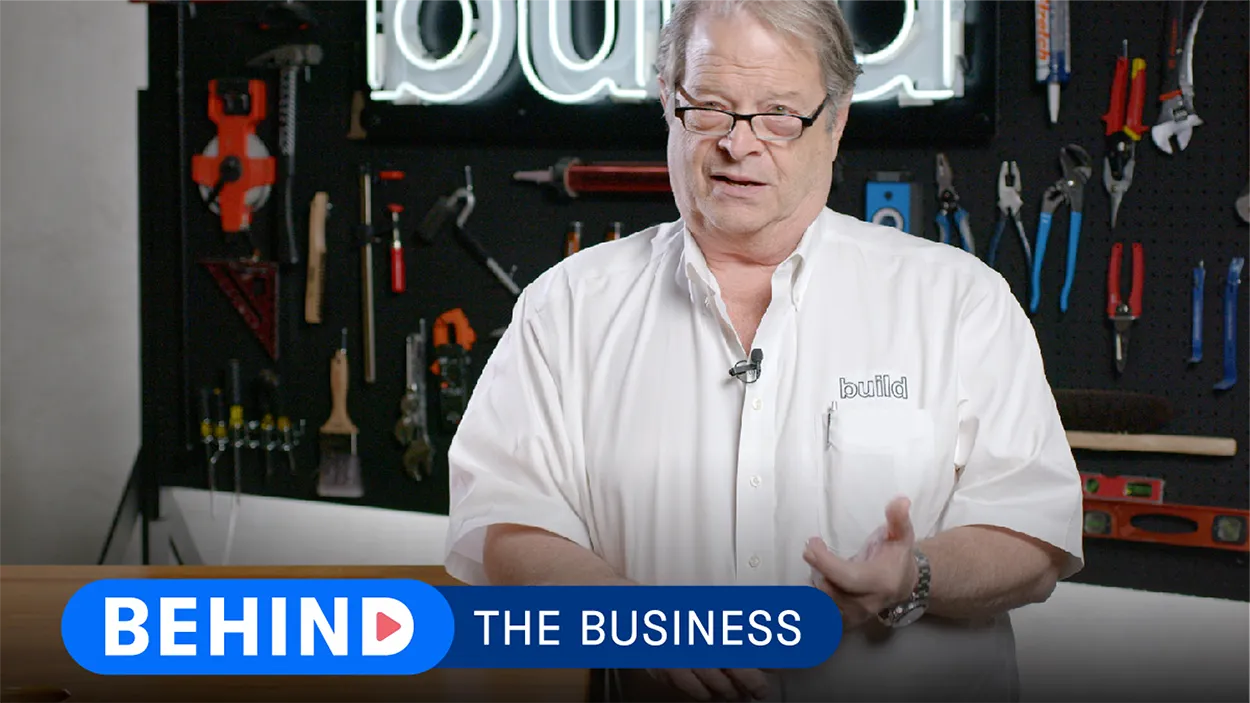
In this video, Steve and Tim talk about how Buildertrend was the clear solution for staying on top of everything in one place.
Why shift to paperless
The change to paperless may seem daunting; however, Matt and his team are evidence that the transition will not only save you time and money, but it’ll also keep you organized.
“When I got here, this was a paper mill,” Steve said. “A big motivation for me was to reduce the labor, improve the turnaround time of the financial information and get us on a standard platform like QuickBooks.”
Yes, eliminating the need for paper saves you the cost of photocopying and storing documents, but the big motivators are actually efficiency and organization. There’s no need to hire someone to file and copy documents when you can access, copy and share what you need straight from the app.
The time spent processing paper invoices may not seem like a lot, but it really does add up – and Steve can attest to that.
“If I do $1 million worth of work on a house, I’m gonna process 1,000 invoices and credit card receipts,” Steve said. “There’s one or two invoices that are huge, and then there’s 998 that are small. We really worked hard to focus on the use of Buildertrend to manage the budget of the project.”
The move to paperless transfers the budget management responsibilities to your software program and creates a less stressful and more productive way to work – especially on those custom built homes.
Paperless doesn’t mean spreadsheets
Going paperless doesn’t mean manual data entry into Excel. Yes, spreadsheets get rid of the paper, but you’re still wasting your time punching in numbers – manual entry accounting is both inefficient and inaccurate.
Steve credits the QuickBooks integration with making the team more accurate. “It allowed me to dramatically reduce hundreds of data entry transactions,” Steve said. “Not only do they individually take time, but people make mistakes.”
When people make mistakes with manual data entry, you lose money. Steve started at Risinger Build in 2016 and knew there was a better way to work and an opportunity for the company to make more money.
“When I got here, I was really more focused on the home building business because it was a business that had grown rapidly and had an extraordinary footprint here in Austin,” Steve said. “It wasn’t as profitable as I felt like it could be.”
There’s always some growing pains when adopting a new program, but when you see the possibility of an easier future – it’s worth the effort. For Risinger Build, it took a couple years for the team to fully jump on board and understand the many capabilities of QuickBooks paired with Buildertrend.
“The accounting side, Steve’s side of the business, they loved it,” Tim said. “Project managers began to warm up to it and understand how it worked. Within the last three or four years, we very much have it fully integrated into our program.”
How to make the change
Buildertrend is not just a tool to eliminate paper and keep you organized – its true power comes from the ability to sync your financials with your construction management program.
“Along comes Buildertrend, and here’s a program that integrates somewhat seamlessly with QuickBooks so that you only have to enter things one time, and it does all this other cool stuff that we need to track our jobs,” Steve said.
The most important part of the paperless move is to be smart about linking your construction management program with an accounting software like QuickBooks Online. True software integrations help you work smarter, not harder. Plus, Buildertrend keeps track of your job progress and budget.
“We already ran our media business on QuickBooks. I wanted to move the home building company to QuickBooks because I could go out and hire bookkeepers to do that,” Steve said.
A well-known accounting software like QuickBooks Online is easy to use, plus people are already trained on how to operate it. If you’re using an online accounting software, the final step is to sync it up with a construction management software, and you’re good to go.
Build smarter by syncing your software system with QuickBooks
Risinger Build is evidence of why you should upgrade those printouts and spreadsheets to a smart construction management software like Buildertrend.
If you’re not already using Buildertrend, schedule a demo to get started today.
Check back for the third installment of our Behind the Business series. Matt and Steve talk about the importance of transparency in construction and how to best document change orders.
Based on what you just read, we think you'd enjoy...
These suggestions are made by our team to help you find builders and stories that you relate to!
Back to all blogs