Team management, culture and leadership
Building trust and avoiding trouble: How modern builders manage risk and compliance
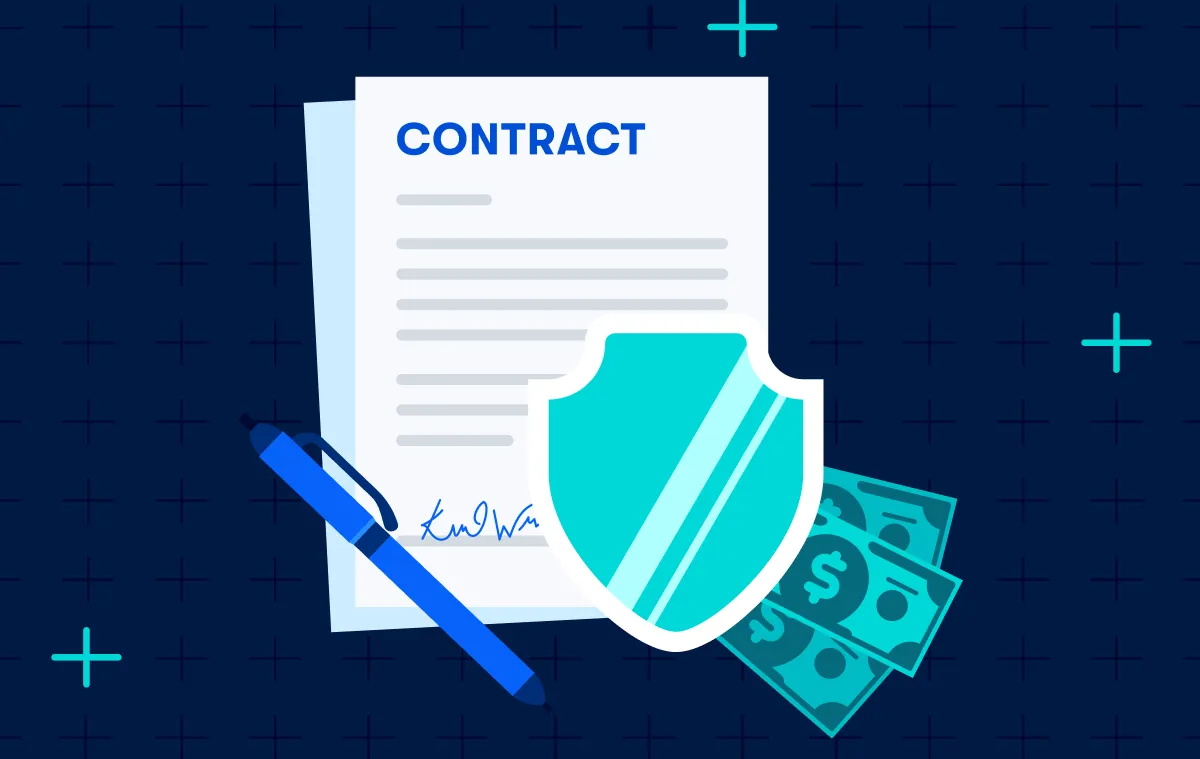
There’s a new reality of risk in today’s homebuilding.
Gone are the days when “risk” meant falling a few days behind schedule or “compliance” meant catching up on paperwork later.
With housing demand high, supply chains stretched, insurance costs rising and labor harder to find, every decision a builder makes can swing between profit and loss. A Marsh survey found that inflation, hiring and retention and supply chain disruptions top the list of contractor risks. And according to CBIZ, compliance now plays a major role in securing insurance coverage.
But risk and compliance aren’t just paperwork. They affect every piece of your business. Ambiguous contracts can spark disputes. Missing documentation can delay payments. Poor communication can lead to rework that drains time and money. Each one chips away at your margins and your reputation with clients, subs and lenders.
Builders who take risk management seriously are both avoiding problems and building trust. They’re showing clients and partners they run a disciplined job, track every change and protect every investment.
Here’s how forward-thinking builders are protecting their margins, timelines and reputations by putting risk and compliance at the center of their operations.
Five ways builders can reduce risk today
These are the habits and processes of disciplined builders – companies that lead with accountability, consistency and professionalism on every project.
1. Set a risk mindset at every level
Risk management starts with leadership but thrives when it’s owned by everyone. When every crew member understands their role in preventing problems, you build a culture of responsibility that protects your business.
- Talk about liability, safety and compliance in every team meeting, not just after a mistake.
- Celebrate teams that follow procedure and identify risks early.
2. Standardize contracts and documentation
Clarity on paper prevents conflict in the field. Consistency across projects makes it easier for your team and subs to stay aligned.
- Use standardized contract language, detailed scopes of work and clear expectations for every job.
- Keep records of bids, approvals and commitments in one place to reduce finger-pointing later.
3. Track and communicate changes clearly
Every change affects cost, schedule and client expectations. Communicate well and you’ll avoid disputes and protect your margins.
- Create a simple but mandatory process for documenting change orders, getting approvals and updating the team.
- Communicate each change to the right people immediately: Owners, subs and accounting.
4. Tighten financial oversight
Treat every payment and invoice as a checkpoint, not a chore. Financial discipline builds stability and helps you catch small issues before they turn into expensive surprises.
- Set up predictable payment schedules, verify liens and double-check vendor bills for accuracy.
- Review budgets monthly instead of waiting for a project to close out.
5. Invest in training and compliance literacy
Knowledge is one of the best forms of risk protection.
- Keep your teams current on safety standards, building codes and labor laws through short, regular trainings.
- Encourage site leads to share lessons learned after inspections or incidents.
- Partner with trade associations like NAHB or AGC for resources, certification programs and updates that keep your company compliant and competitive.
Builders who adopt these practices put themselves in a stronger position to control outcomes and limit surprises. But for builders ready to take the next step, technology can make these disciplines easier to apply.
How builders use systems to make risk management easier
Modern construction management software helps builders turn good intentions into daily habits. The right system brings everything together – documents, approvals, financials and communication – so teams stay aligned and nothing gets lost.
- Centralized visibility: All project information lives in one place. When teams, clients and subcontractors share a single source of truth, it reduces errors and guesswork.
- Automated audit trails: Every change order, approval and payment is automatically tracked. That audit trail can protect you during disputes or inspections and keeps everyone accountable.
- Real time insights: Dashboards show project health in real time so builders can identify delays or cost overruns early before those small issues grow.
- Compliance confidence: When documentation is organized and accessible, producing records for lenders, insurers or inspectors becomes quick and free of stress.
- Collaboration without chaos: Streamlined communication keeps teams and clients aligned, cutting down on missteps that slow progress and inflate costs.
For many builders, platforms like Buildertrend make compliance second nature by connecting people, paperwork and project data in one system. That turns risk management into an everyday habit instead of an afterthought.
Buildertrend: Built for risk reduction
Buildertrend gives you one connected platform for everything that drives risk down and profitability up: Change orders, client communication, financials and documentation.
With complete visibility into every detail, you can spot issues early, keep your team aligned and meet compliance standards without extra admin work.
Building trust by building smarter
Risk and compliance aren’t burdens. They’re opportunities to build trust and lead with professionalism. Invest in better systems today and you’ll protect your business for the long run.
Buildertrend simplifies compliance and helps you manage risk with confidence. Builders who use Buildertrend deliver higher-quality projects and protect their bottom line on every job.
Based on what you just read, we think you'd enjoy...
These suggestions are made by our team to help you find builders and stories that you relate to!
Back to all blogs