Economic and industry news or trends
How will national builders entering local markets affect small builders?

- Why are big builders expanding into smaller markets?
- What happens when national builders move into smaller cities?
- What advantages do small builders have over national companies?
- How can small home builders compete with large construction companies?
- FAQs about competing with national builders in small markets
If you’ve been building in the same community for years, you’ve probably felt the shift already. A national home builder buys up land on the edge of town. Their signage goes up. Their ads start showing up everywhere. Suddenly, the local market you know so well feels a lot more crowded.
For many regional builders, the arrival of big contractors in smaller cities can feel disruptive – even threatening. More competition for land, labor and materials. More pressure on pricing. More questions about how this changes the future of your business in your area.
This trend isn’t random. Large construction companies are expanding into local markets across the country, and it’s reshaping how regional builders compete and grow. The good news? Bigger builders don’t automatically mean smaller builders lose.
In this article, we’ll break down what’s happening when national builders move into local markets, why they’re targeting smaller cities and what small builders can do to protect their business, stay competitive and continue to win work in their local market.
Why are big builders expanding into smaller markets?
Big builders are moving into smaller markets because major metro areas have become more expensive, more competitive and harder to scale. Rising land costs, tighter zoning and crowded markets are pushing national builders to look for growth opportunities in smaller cities and regional markets where development is more predictable.
At the same time, population shifts toward secondary markets have created steady housing demand outside major metros. For large builders, these areas offer the ability to apply proven, repeatable processes at scale while benefiting from available land, local incentives, favorable zoning and access to a growing workforce.
What happens when national builders move into smaller cities?
When national builders move into smaller cities, the local construction market starts to shift in a few predictable ways:
- Increased competition for land, labor and materials as large builders secure lots early and lock in trade partners across multiple projects
- More standardized pricing and processes driven by repeatable models designed to scale efficiently
- Higher visibility marketing from national brands, including ads, signage and model homes that raise awareness – and expectations
- A shift in buyer expectations around timelines, communication and professionalism from builders in smaller cities
Together, these changes raise the bar in regional home building markets. For local builders, that can feel like more noise, more pressure and more competition, even if demand remains strong.
Do large builders drive up prices for smaller builders?
Often yes … but not always. Large builders can drive up prices by buying land in bulk, increasing demand for labor and negotiating long-term material contracts that smaller builders can’t always match. When multiple national builders enter the same regional market, competition for the same resources tends to push costs higher.
That said, smaller builders aren’t automatically priced out. Strong local supplier relationships, niche trade partnerships and flexibility in scheduling can help regional builders stay competitive.
And while big builders may win on volume, small builders can win on the ability to adapt quickly – which leads directly into the advantages smaller and regional builders still have, and how they can compete without trying to outspend national brands.
What advantages do small builders have over national companies?
While big builders bring scale, small builders have unique advantages that can make them the preferred choice in local markets:
- Strong local relationships and reputation: Small builders have trusted connections with clients, suppliers and trades throughout their community.
- Customization and flexibility: They can tailor homes and services to meet each client’s unique vision and needs.
- Faster decision-making: With fewer layers of approval, projects move quickly and efficiently.
- Personal client experience: Homeowners receive focused attention and feel supported throughout the entire building process.
- Deep knowledge of local codes, suppliers and trades: Small builders understand the nuances of their community, which keeps projects on track and compliant.
These strengths are differentiators that let small builders compete effectively, even when national companies move in.
How can small home builders compete with large construction companies?
Competing with national builders doesn’t mean trying to outspend them. Small builders can focus on four strategic pillars to strengthen their business and stand out in local markets:
- Differentiation: Focus on what makes your business unique, whether it’s custom work, superior quality or a niche specialty. Delivering something that larger builders can’t replicate gives clients a reason to choose you.
- Operational efficiency: Streamline your processes, communication and project consistency. Using organized workflows and standardized procedures keeps projects on schedule and clients satisfied, even as competition increases.
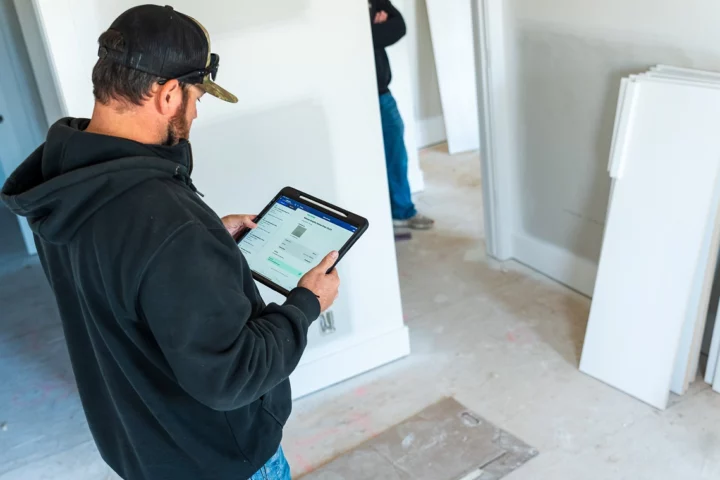
- Technology adoption: Leverage construction management software to level the playing field. Tools that centralize schedules, budgets, selections and communication can give small builders the efficiency of a larger operation without sacrificing personal service.
- Brand trust and visibility: Build a strong presence in your local market. Consistent branding, testimonials and community engagement help homeowners recognize your reliability and expertise, giving you a competitive edge over big builders who are new to the area.
These pillars are actionable steps that can help small builders like you maintain control and grow even when larger companies enter the market.
Tips for protecting your business when big builders move into your town
Protecting your business is about being proactive, not reactive. You can take these five steps now to strengthen your position and ensure long-term success:
- Tighten operations and margins: Review processes and expenses to ensure efficiency and profitability.
- Strengthen client experience: Provide clear communication, transparency and personal attention to every project.
- Lock in supplier relationships: Build strong partnerships to secure materials, pricing and priority service.
- Use data and systems to scale sustainably: Implement project management software to track budgets, timelines and client communication efficiently.
- Focus on long-term brand equity, not price wars: Invest in reputation, quality and community presence rather than trying to undercut national builders.
By focusing on these strategies, you can protect your local building business, maintain flexibility and continue to thrive in your market – even as bigger builders move in.
And software solutions like Buildertrend can make these actions easier, helping you manage operations, client communication and project visibility all in one place without losing the personal touch that sets your business apart.
Ready to invest in software or trade up from your current solution? Take our quiz to see if Buildertrend is the right fit for your construction business.
FAQs about competing with national builders in small markets
In some cases, yes. Partnerships can include subcontracting, joint ventures or sharing suppliers. Collaboration can create opportunities for growth while allowing small builders to maintain their brand and control over their projects.
The speed varies by company and market conditions, but most large builders move methodically. They research demand, secure land and develop standard models before marketing aggressively. Understanding their timeline can help small builders plan and adjust their strategies proactively.
Not necessarily. Competing solely on price can erode margins and undervalue your work. Focusing on differentiation, quality and client experience often provides a stronger long-term advantage than engaging in a price war.

Based on what you just read, we think you'd enjoy...
These suggestions are made by our team to help you find builders and stories that you relate to!
Back to all blogs