
Economic and industry news or trends
The California permitting problem: How local builders are keeping projects moving
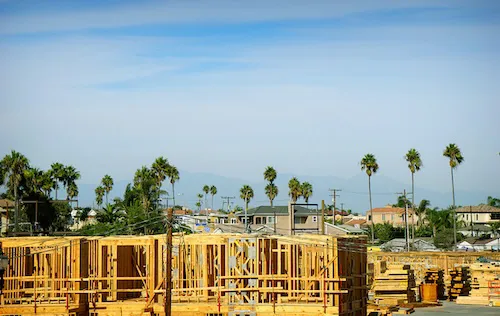
- Why are California permits taking so long?
- How do permitting delays hurt construction businesses?
- How are California builders keeping projects organized during delays?
- What systems help contractors manage permit-related disruptions?
- How can builders protect profitability when California permitting delays continue?
California builders are used to complexity. But permitting delays, changing regulations and inspection backlogs are creating a level of operational chaos many contractors have never dealt with before.
For builders managing multiple jobs, permitting delays creates problems far beyond waiting for approvals. Schedules shift, subcontractors get pushed back and teams spend valuable time managing revisions, inspections and paperwork instead of moving projects forward.
The pressure is especially high in wildfire recovery regions and fast-growing municipalities where permit departments are overloaded. In Los Angeles County, rebuilding permits after recent wildfires averaged 186 calendar days from application to issuance.
The builders staying profitable aren’t necessarily the ones securing permits faster. They’re the ones managing the disruption better. That transition matters more than ever.
Why are California permits taking so long?
California’s permitting challenges are coming from multiple directions at once. Local agencies are balancing staffing shortages, changing building codes and increased rebuilding demand after years of wildfire damage.
The issue becomes even harder because requirements vary by city and county. A process that works in one jurisdiction may trigger revisions or additional reviews in another.
Several issues continue slowing down permit approvals across California:
- Municipal differences: Builders working across counties often deal with completely different submission standards, review timelines and documentation requirements. That creates additional administrative work for project managers and office teams.
- Wildfire rebuilding demand: Thousands of rebuild applications continue flooding local departments after major California fires. In some Los Angeles recovery areas, median permit timelines have stretched beyond 150 days.
- Increased code complexity: Fire-resistant construction standards, environmental reviews and updated hazard zone requirements are adding more revisions and approvals. Los Angeles County recently saw a 300% increase in land classified as “very high” wildfire hazard.
- Incomplete submissions and revisions: Permit departments are rejecting incomplete packages more aggressively as workloads increase. Missing documentation or outdated plans can pause approvals for weeks.
These challenges aren’t disappearing anytime soon, forcing contractors to rethink how they manage operations during uncertainty.
How do permitting delays hurt construction businesses?
Permitting delays rarely stay isolated to one project milestone. Once timelines move, the operational problems compound quickly across the business.
The impact shows up in multiple areas of the company:
- Scheduling disruptions: Teams constantly reshuffle labor and subcontractors when approvals stall.
- Subcontractor disruptions: Repeated schedule changes can strain relationships with preferred trades.
- Budget overruns: Delays increase overhead costs and can expose projects to rising labor and material prices.
- Homeowner frustration: Clients become frustrated when projects stop moving without clear updates.
- Documentation breakdowns: Teams waste time searching for permit revisions, inspection notes and updated plans.
Those operational breakdowns create real financial consequences. California builders already operate in one of the country’s most demanding construction environments, so inefficiency adds up fast.
How are California builders keeping projects organized during delays?
Top-performing contractors are focusing less on eliminating delays and more on reducing the chaos around them. The goal is creating systems that keep communication, documentation and scheduling aligned even when approvals change unexpectedly.
That requires operational visibility across the entire project team:
- Centralized communication: Builders are moving project conversations out of scattered texts and email threads into a centralized client portal where teams, trades and homeowners can access updates in one place.
- Shared schedules: Dynamic scheduling tools help project managers adjust timelines quickly without manually updating spreadsheets or sending endless follow-up emails.
- Digital documentation: Permit revisions, inspection records and updated plans stay organized with document management tools, reducing confusion over outdated files and missing approvals.
- Change order and revision tracking: Builders handling frequent permit revisions can track scope adjustments and approvals using change order tools to reduce costly miscommunication between office teams and field crews.
- Proactive updates: Consistent homeowner communication helps builders reduce frustration and maintain trust even when timelines change unexpectedly.
This is where operational systems matter. Platforms like Buildertrend help contractors centralize communication, scheduling and documentation so teams can respond faster when permitting timelines shift.
The builders gaining an advantage aren’t avoiding disruption completely. They’re minimizing how much disruption spreads through the company.
What systems help contractors manage permit-related disruptions?
California permitting issues create too many moving parts to manage manually. Contractors relying on disconnected spreadsheets, texts and email threads often struggle to maintain visibility once projects change direction.
The most effective systems typically help builders:
- Track schedules in real time
- Keep plans and revisions organized
- Coordinate subcontractor timelines
- Keep homeowners informed
- Manage change orders digitally
- Align office and field teams
Builders also need systems flexible enough to handle constant revisions. Permit-related disruptions continue through inspections, resubmissions and final approvals.
That operational consistency becomes critical as California regulations continue evolving. California’s Department of Finance continues tracking statewide residential construction permit activity as a key economic indicator, highlighting how closely permitting activity impacts the broader construction market.
The volume alone creates ongoing pressure on local review departments. Contractors prepared with organized workflows are better positioned to protect schedules and profitability despite that uncertainty.
How can builders protect profitability when California permitting delays continue?
California permitting is unlikely to get simpler in the near future. Between rebuilding demand, code changes and municipal backlogs, contractors should expect ongoing disruption across many markets.
The builders navigating it best are focusing on operational control. Clear communication, organized documentation and centralized project management help reduce the downstream impact when timelines shift unexpectedly.
That matters because delays alone do not destroy profitability. Disorganization during delays does.
Builders using stronger systems can keep projects moving, maintain homeowner trust and reduce operational chaos even when approvals slow down.
Schedule a demo to see how Buildertrend helps California contractors stay organized, improve communication and keep projects moving when permitting delays disrupt schedules.
Based on what you just read, we think you'd enjoy...
These suggestions are made by our team to help you find builders and stories that you relate to!
Back to all blogs