Economic and industry news or trends
How biophilic design enhances construction project health in the UK and US

The construction industry on both sides of the Atlantic is experiencing a welcome shift – a move toward prioritising human well-being within new builds. Biophilic design, the practice of incorporating nature into architecture, is at the forefront of this movement. This approach offers a range of benefits for building occupants, making it a valuable consideration for UK and U.S. construction projects alike.
Studies conducted in the U.S., Canada and various other countries have revealed that people experience a natural sense of relaxation when immersed in environments featuring elements from the natural world.
What is biophilic design?
Biophilia, meaning “love of nature,” describes our inherent human connection to the natural world. Biophilic design principles tap into this connection by integrating aspects of nature into buildings. This can include a variety of elements, fostering a sense of harmony and well-being within a space.
You might be thinking that biophilic design is just a fancy word for sustainability. Although these are two well-known principles in the world of construction, they actually have different purposes.
- Sustainability is designed to minimise the impacts on the natural world.
- Biophilic design is designed to improve and maximise the health of individuals.
Not only that, but biophilic design boasts several advantages that help shape the future of sustainability, such as reduced energy consumption, improved air quality and much more.
How can biophilic design be used in construction projects?
Now, let’s delve into some examples of biophilic design and how it’s being applied to construction projects.
- Natural lighting and ventilation: Studies have shown that exposure to natural light can significantly improve mood, alertness and cognitive function. Biophilic design prioritises maximising natural light intake through large windows and skylights.
- Views of nature: Connecting people with the outdoors goes beyond just light. Large windows framing views of greenery, gardens,or water features can reduce stress and promote feelings of calmness.
- Natural materials and textures: Using wood, stone and other natural materials not only creates a sense of connection to the outdoors but can also improve air quality. Dale Joinery, a leading timber window and door manufacturer in the UK, creates bespoke windows from sustainable sources. The natural warmth and texture of wood not only add a touch of elegance but contribute to a healthier indoor environment.
- Biomimicry: Drawing inspiration from nature’s patterns and forms can optimise building design for both aesthetics and functionality. For example, architects might incorporate natural ventilation strategies that mimic how air flows through trees and forests.
The benefits of biophilic design
Biophilic design can have a profound impact on the well-being of those who inhabit a space. Here are some key benefits:
- Improved health: Studies have linked biophilic design to reduced stress levels, lower blood pressure, improved sleep quality and even increased creativity and productivity.
- Enhanced learning: In educational settings, biophilic design can foster a more positive learning environment for students by promoting focus and reducing distractions.
- Increased worker satisfaction: Biophilic principles in offices can lead to happier and more engaged employees, potentially boosting productivity and reducing absenteeism.
3 stunning examples of biophilic design
The Apple Campus – Apple Park, California, U.S.
The Apple Campus is a leading example of how you can incorporate biophilic design into your project. What’s more, 9,000 woodland trees also surround the campus.

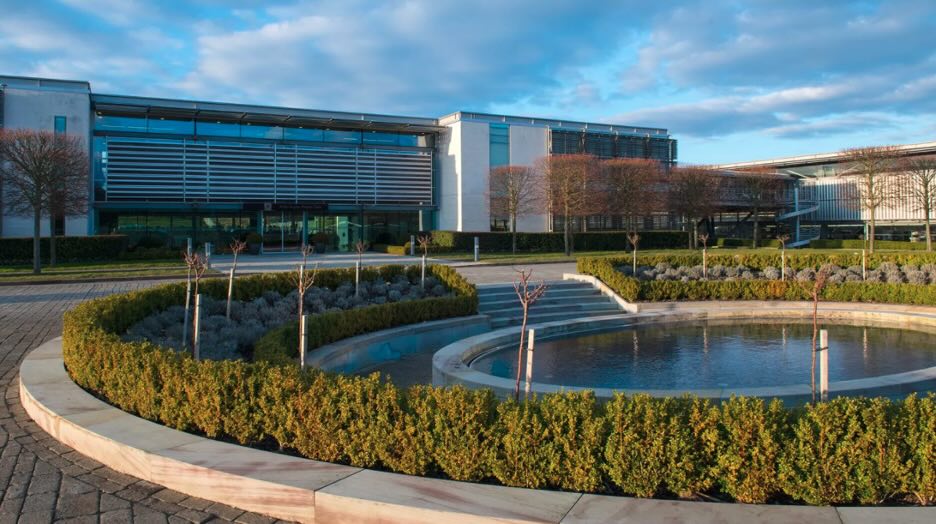
Rolls Royce HQ – Chichester, England
Rolls Royce, a popular British company renowned for its iconic motor car, the Phantom, boasts a headquarters in England with one of the world’s most expansive green roofs. Featuring beautiful native plants, this feature insulates the building and effectively manages stormwater runoff.
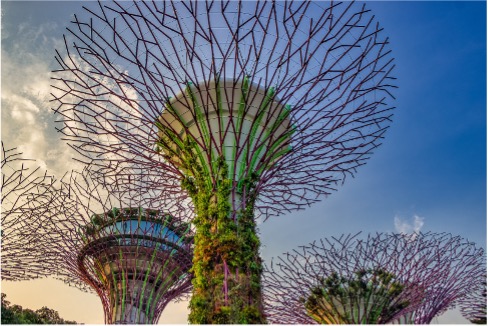
Singapore
Singapore is known as the world’s first biophilic city, with the government making extensive efforts to incorporate nature, plants, water and wildlife into public parks, buildings and offices.
Taking the next step with biophilic design
Biophilic design offers a compelling approach to enhance the well-being of building occupants in the UK, U.S. and worldwide. By integrating natural elements into construction projects, we can create healthier and more inspiring spaces for people to live, work and learn. As the construction industry continues to evolve, biophilic design promises to play a key role in shaping healthier and more sustainable built environments for the future. Biophilic design is definitely something for you to consider.
Plan your biophilic projects with Buildertrend
Buildertrend understands the growing interest in healthy and sustainable building practices. Our user-friendly construction management software can streamline the design and construction process, allowing builders to incorporate biophilic elements more efficiently. For example, at Buildertrend, our features can facilitate communication and collaboration between architects, builders and homeowners, ensuring that biophilic design elements are effectively translated from concept to completion.
Schedule a demo today to see how we can help streamline your next green project.

Based on what you just read, we think you'd enjoy...
These suggestions are made by our team to help you find builders and stories that you relate to!
Back to all blogs