Team management, culture and leadership
Why is health and safety important in construction? Spotting burnout before it hurts your team
- The importance of mental health in construction
- Beyond the basics: How the industry’s safety standards are evolving
- How to help: Promoting health and safety in construction through job site culture
- How Buildertrend supports construction health and safety
- Burnout is a business risk – don’t let it break your crew
It started with a missed morning meeting. Then a forgotten materials order. By the time Mark – the most dependable guy on the crew – snapped at a subcontractor over a minor mistake, it was clear something was off.
But no one said anything. They just chalked it up to stress. After all, it’s construction – long hours and tight deadlines come with the territory. Right?
And yet, something deeper was happening. Mark wasn’t just having a bad week. He was burnt out.
Burnout doesn’t always show up with flashing red lights. It creeps in slowly – through fatigue, forgetfulness and frustration. And when it hits your job site, it doesn’t just impact one person. It affects your whole team, your timeline and even your bottom line.
So, why is health and safety important in construction? Because when burnout is ignored, it becomes a safety issue, a productivity killer and a leadership challenge all rolled into one.
In this blog, we’ll explore why your crew’s mental health is just as critical as their physical safety. You’ll learn how to spot red flags early, how to support your team and how tools like Buildertrend can help create a healthier, more productive job site.
Let’s get into it – before burnout takes hold.
The importance of mental health in construction
In the construction industry, safety usually means hard hats, harnesses and following the rules. But that’s only part of the picture.
Health and safety also include mental and emotional well-being. When a team member is physically present but mentally checked out, the risks go up. So do mistakes, delays and tensions on the job site.
Burnout leads to poor decisions, low morale and higher turnover. And unlike a missing guardrail, it’s harder to spot. That’s why taking care of your crew’s mental health is just as critical as any safety protocol.
So, to answer the question: why is health and safety important in construction? It’s because your project’s success depends on your people – and your people need to feel supported to perform their best.
Beyond the basics: How the industry’s safety standards are evolving
This industry is changing. Projects are more complex, crews are stretched thin and the pressure to deliver is higher than ever.
And with these changes, yes, physical safety still matters – but mental strain is just as dangerous. Long hours, nonstop schedules and rising expectations wear people down. So if your team is running on fumes, safety on the job site will suffer right along with them.
Builders can’t afford to ignore this shift. And the best ones won’t. Because health and safety in construction isn’t just about avoiding injury – it’s about building a culture where people can actually thrive.
Red flags to look out for on the job site
Most people won’t say it out loud – but they’re thinking it: “Am I burnt out?”
And when they are, it shows. Not always in big, obvious ways. Sometimes it’s subtle. But if you know what to look for, you can step in before it gets worse.
Here are some of the most common signs of burnout on the job site:
- Increased absenteeism or lateness
A crew member who’s always on time suddenly starts showing up late – or not at all. It could be more than just traffic. - Lower quality of work
Maybe framing was always sharp, but now measurements are off or jobs feel rushed. That dip in focus can signal mental fatigue. - Irritability or tension with coworkers
Short fuses can mean full plates. If your team starts snapping at each other, burnout could be behind it. - Physical complaints
Chronic headaches, trouble sleeping or constant exhaustion aren’t just personal problems – they’re job site risks when ignored. - Disengagement or zoning out
You ask a question and get blank stares. Or worse, someone misses a key instruction altogether. Mental distance can lead to costly mistakes. - “Just get it done” mindset
If your crew is rushing through tasks to check boxes instead of doing quality work, they’re likely running on empty. - Confusion or forgetfulness
When experienced workers start misplacing tools or forgetting simple steps, it’s time to check in – not call them careless.
So, if you’re seeing these red flags, don’t wait. Spotting burnout early helps protect your team, your timeline and your reputation.
How to help: Promoting health and safety in construction through job site culture
Burnout doesn’t fix itself. But the good news? You don’t need to be a mental health expert to make a difference.
Sometimes, small changes to your job site culture can have the biggest impact. And when your crew feels supported, they’ll show up stronger, safer and more focused.
H3: Here are six simple ways to build a healthier, burnout-resistant job site:
- Talk about more than the to-do list
Start team huddles with a quick check-in. A simple “How’s everyone doing today?” shows you care – and opens the door for honesty. - Encourage breaks (and actually mean it)
Push through culture can be dangerous. So, set the tone by encouraging real downtime, even during busy stretches. - Offer flexibility when possible
Life happens. A little schedule wiggle room – like starting late after a long night – can help prevent burnout over time. - Celebrate wins, big or small
Finishing a tough project or hitting a weekly goal? Call it out. Recognition builds morale and reminds your team their work matters. - Lead by example
If you never take breaks, they won’t either. If you’re always “on,” they will be too. So, set the tone for a healthy balance. - Create space for honest conversations
Let your team know it’s okay to speak up – especially if they’re feeling overwhelmed. A safe space to talk can prevent bigger issues later.
So, if you’re wondering why is health and safety important in construction? Because your leadership sets the tone. And a culture that protects people leads to better work, fewer mistakes and stronger crews.
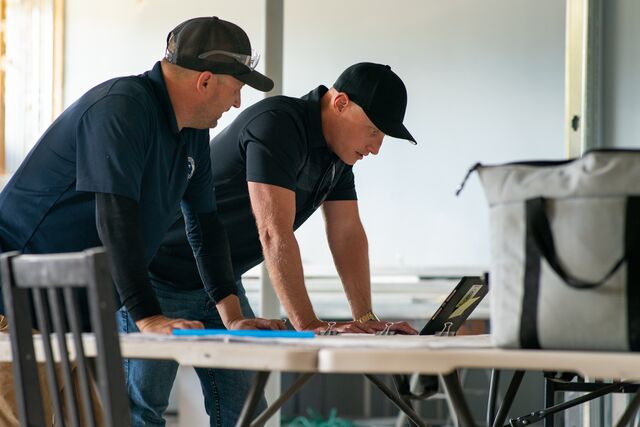
How Buildertrend supports construction health and safety
You can’t prevent burnout with hard hats and steel-toe boots alone. But with the right tools, you can make the job site safer, less stressful and more efficient.
Here’s how Buildertrend helps support a healthier, more productive crew:
- Streamlined scheduling
Balance workloads and avoid overbooking with clear, centralized timelines. - Daily logs and job site updates
Spot red flags early with real-time updates from the field. - Easy communication tools
Keep everyone aligned – no missed messages or confusion. - Mobile access on the go
Let your team check schedules, upload photos or ask questions right from the job site. - Task management
Break projects into manageable chunks so no one gets overwhelmed. - Time tracking
Monitor work hours to help your crew avoid burnout and stay within healthy limits. - Cloud-based documentation
Reduce mental clutter with organized access to plans, notes and files – all in one place.
If you’re ready to build a culture that protects your people and your process, Buildertrend can help.
Burnout is a business risk – don’t let it break your crew
When your team is burned out, morale, quality of work and your bottom line can take a hit. And in an industry where deadlines are tight and margins even tighter, you can’t afford to ignore the warning signs.
Your people are your greatest asset – and protecting them protects your business.
Buildertrend gives you the visibility, organization and communication tools to stop burnout before it starts. It’s more than software. It’s your job site sanity saver.
Don’t wait for burnout to cost you. Schedule a free demo today and see how Buildertrend builds stronger crews – starting with yours.

Based on what you just read, we think you'd enjoy...
These suggestions are made by our team to help you find builders and stories that you relate to!
Back to all blogs