Building bigger without losing control
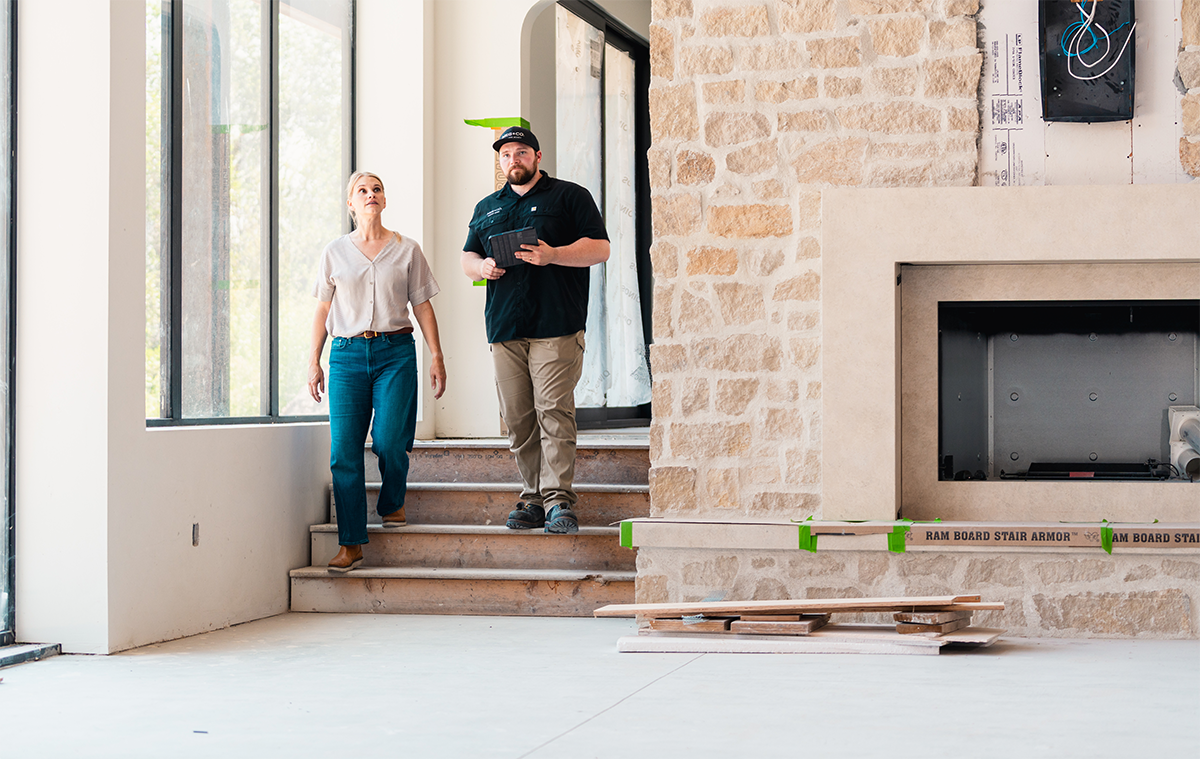
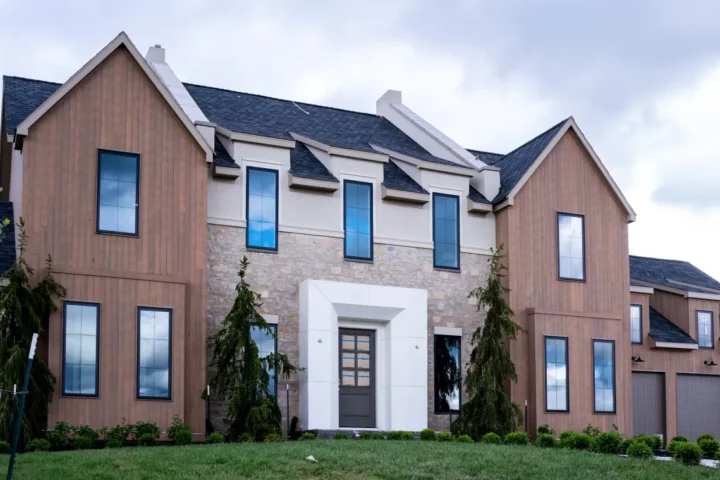
Growing a homebuilding business often means taking on more complex projects, serving clients with higher expectations and managing a lot more moving parts. For Meg Billings of Meg & Co. Designer Homes in Twin Falls, Idaho, that growth meant moving from starter homes and spec builds to custom homes valued at more than $6 million and commercial projects.
As the projects grew, so did the number of decisions, details and people involved. Meg needed a reliable way to keep everything organized and her team aligned. Buildertrend became that central system, helping her manage the demands of larger builds and expand into new types of work.
Watch the video to hear how Meg built her business and managed the complexity that came with growth.
From spec homes to $6 million builds
Meg started her career building starter homes and spec homes. At that stage, budgets shaped nearly every decision. Clients had fewer options, and the team could manage many project details without a complicated process.
As the business moved into luxury custom homes, the number of choices increased dramatically. Clients could explore more finishes, fixtures and design elements. The team also had to consider how those choices affected construction and how every detail came together.
Meg describes the difference between those early projects and the homes she’s building today: “When I first started, we were building more starter home spec homes. Now we’re building a $6 million home and the amount of choices and options has exponentially opened up.”
That shift brought new opportunities, along with more responsibility. Every selection and construction detail required attention, making it harder to keep the entire project organized without reliable systems.
Design set her apart
Meg’s growth also came from developing a distinct approach to home design. In a market where designer homes weren’t as common, she saw an opportunity to stand out through thoughtful architecture and carefully considered details.
She put extra effort into the choices that shaped each home, from its overall appearance to the smaller elements that made the design feel intentional. Those decisions helped Meg & Co. develop a recognizable style and attract clients who valued that level of attention.
As Meg explains: “Putting that extra effort into the architecture and to the choices that go into the home was a big way that I was able to stand out when I was first starting my career.”
That focus helped establish the business and create opportunities for more ambitious projects. It also meant managing more design decisions and coordinating additional details as the company grew.
What bigger projects really cost you
Higher-value projects bring more than larger budgets. They also introduce additional coordination, longer decision-making processes and greater expectations from clients.
For builders moving into more complex work, several areas require closer attention:
- More project details: Selections, specifications and client changes need to be documented and accessible.
- More people involved: Project managers, designers, subcontractors and office staff need consistent updates.
- More coordination: Schedules, responsibilities and deadlines require ongoing attention.
- Higher client expectations: Luxury clients expect clear communication and a thoughtful experience throughout the project.
Meg experienced that increase in complexity firsthand. As the company grew, keeping every detail in her head became less practical: “Complexity and details have increased so much from where I was when I was just trying to manage it all on my own and all in my head to what we’re doing now.”
That change made a dependable system essential to keeping projects organized and giving the team the information it needed.
One source of truth
Meg uses Buildertrend as a central place for her team to manage project information and stay connected. Having one system helps employees access the details they need without relying on scattered notes, messages or individual memory.
Several Buildertrend tools support that process:
- Scheduling: Teams can follow project timelines and understand upcoming responsibilities.
- Daily Logs: Project updates and job site activity stay documented.
- Tasks: Team members can track assignments and keep important work moving.
- Client communication: Teams can keep homeowners informed as decisions and project details evolve.
That connected system has directly supported Meg & Co.’s ability to grow. “The time we’re able to spend with Buildertrend has really made it possible for us to be where we are today and doing the projects we are today,” Meg said. “If I didn’t have Buildertrend, we wouldn’t be able to do that.”
With project information organized in one place, her team can manage more involved builds while keeping everyone working from the same information.
Taking on commercial work
Meg & Co. has also expanded into commercial construction, bringing its experience and established processes into a new type of project. The company’s new office building offered an opportunity to put that approach into practice.
Commercial projects come with additional steps and details that builders may not encounter in residential construction. Meg’s team had to make some adjustments to its existing processes, but Buildertrend gave them a familiar system to build on.
She explains: “Buildertrend is so great that it can help us in our spec homes. It can help us in our custom homes. And now as we’re moving into some commercial projects, it has been just seamless to take that across our teams and into what we’re doing.”
That flexibility has helped the company carry its processes into new markets without starting over with an entirely different system.
What you can borrow from Meg’s approach
Meg’s experience offers practical lessons for builders preparing to take on larger projects or expand into new markets. A few key steps can help make that growth easier to manage:
- Build a recognizable design identity: Identify what makes your work stand out and develop a consistent approach that attracts the clients and projects you want.
- Standardize how project details are managed: Create repeatable processes for documenting selections, tracking changes and communicating updates so important information doesn’t get lost.
- Give your entire team access to one system: Use a connected construction management platform to keep project information organized and make responsibilities clear.
- Prepare for bigger scopes before pursuing them: Evaluate your workflows, team structure and technology before committing to more complex projects.
Growth also requires a team and a business that can handle the responsibility that comes with larger projects. The right processes give builders a stronger foundation as their work evolves.
Build your business with confidence
Meg’s experience shows how a builder can grow into higher-value custom homes and commercial projects while keeping the details organized. Her design approach helped establish the business, and Buildertrend gave her team the tools to manage the added complexity.
For builders considering their next stage of growth, having a connected system can make it easier to manage projects, coordinate teams and take on new opportunities.
See how Buildertrend can support your business. Schedule a personalized demo to explore the tools that can help your team manage bigger projects with confidence.
Based on what you just read, we think you'd enjoy...
These suggestions are made by our team to help you find builders and stories that you relate to!
Back to all blogs