Economic and industry news or trends
Understanding the current demand for compact homes

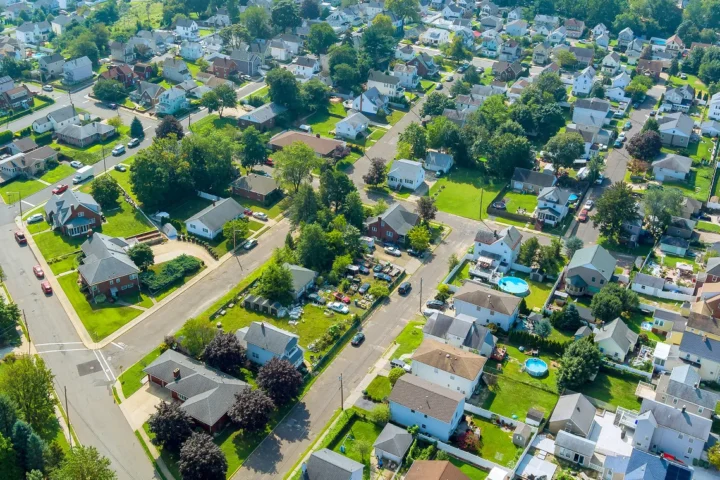
Compact or tiny homes have emerged as a popular alternative to traditional larger residences thanks to changing work/life patterns, rising housing costs, aging populations and efforts to conserve energy resources.
For young people who prefer city living near where they work or for seniors moving in with extended families, compact homes are an efficient, functional use of space where people can live comfortably and more sustainably.
The trend toward building smaller and more affordable properties has become a sign of the times and not only a cost-effective option. And, as this year’s Earth Day approaches on April 22 with the theme of “Our Power, Our Planet,” shining a light on smaller, eco-friendly homes that require less energy to run seems timely.
Fit in with flexible living arrangements
In recent years, smaller homes have become increasingly sought after in the U.S. According to reports, 73% of people surveyed were happy to live in properties that were less expensive to buy. These compact homes are more efficient to heat and maintain, which were added perks in light of the rising costs of living and some economic uncertainty.
Additionally, due to generalized shifts in people’s remote-working patterns, a desire to improve work-life balance, and a collective drive to tackle climate change, compact housing options have gained popularity as they provide the layout that suits modern lifestyles better. The idea of a single-family home has become a thing of the past with accessory dwelling units, garden suites and various types of compact homes fitting in with people’s various stages of life.
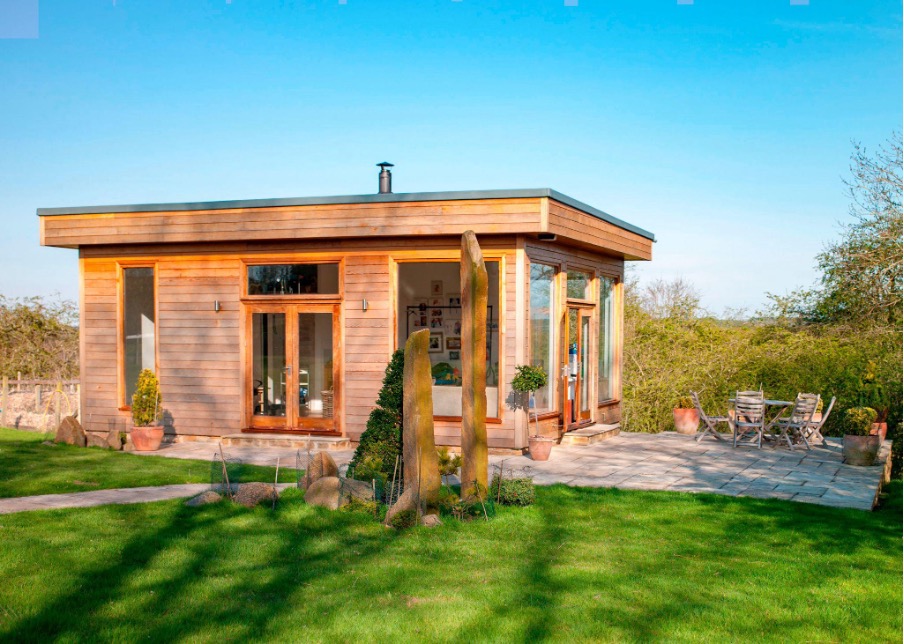
Meanwhile, small homes and garden rooms balance practicality with a minimalist lifestyle but also offer unique solutions that continue to evolve. Their multi-use status has altered and adapted from standalone external units that were ideal as an office, exercise room or entertainment area. Plus, they’ve been developed and enhanced into attached tiny homes or studios next to or on the grounds of main residences.
Adapt properties for multi-generational living
This ongoing flexibility in people’s living choices is particularly evident in how properties are being adapted and remodeled. The traditional “Granny annex” has shifted over the years to being a compact accommodation unit for seniors wishing to cohabit with family members or caregivers.
Such multi-generational arrangements are not only reserved for the elderly but have become normal for parents inviting “boomerang children” back home. Like their grandparents, grown-up kids are returning to their parent’s residence to save money. Studies state that multi-generational living dominates city living in the U.S., with 68% of Gen Z adults living in shared households and 20% still staying in family homes rather than flying the nest.
Moreover, small houses within larger properties allow for that proximity to parents while allowing the opportunity to remain self-contained. Attached houses are also ideal for young families facing challenging housing markets and provide the time to save up for their home. Investing in a tiny home can also result in promising gains for owners. Being adaptable, they might be designed as a home office one day or a rental place the next year – all without major structural changes to the property.
Less is more
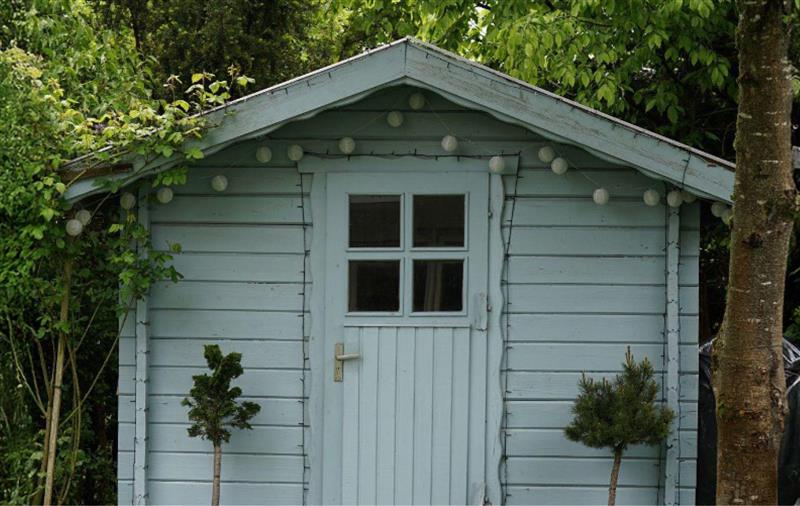
When it comes to sustainability, practicality and space, compact homes don’t disappoint. Taking up less space, they reduce the environmental footprint associated with new construction. They minimize land usage, decrease infrastructure demands and often incorporate sustainable building practices and materials. Shared outdoor spaces and utilities further reduce resource consumption compared to separate standalone properties.
Similarly, builders have adopted innovative architectural and interior approaches that maximize functionality in compact homes with built-in storage solutions, convertible furniture systems and other design strategies to ensure they feel comfortable and adaptable. High ceilings, abundant natural light and indoor-outdoor connections further enhance their perceived spaciousness, while customized storage solutions and furniture design help to optimize limited area.
Today’s compact homes emphasize quality over quantity, showcasing how thoughtful design can create healthy living experiences on a smaller and more sustainable footprint. As more homeowners seek to downsize and declutter their lives, compact houses are not viewed as a compromise anymore but rather as a built design that can provide a comfortable, practical and cost-effective lifestyle.
Respond to economic pressures
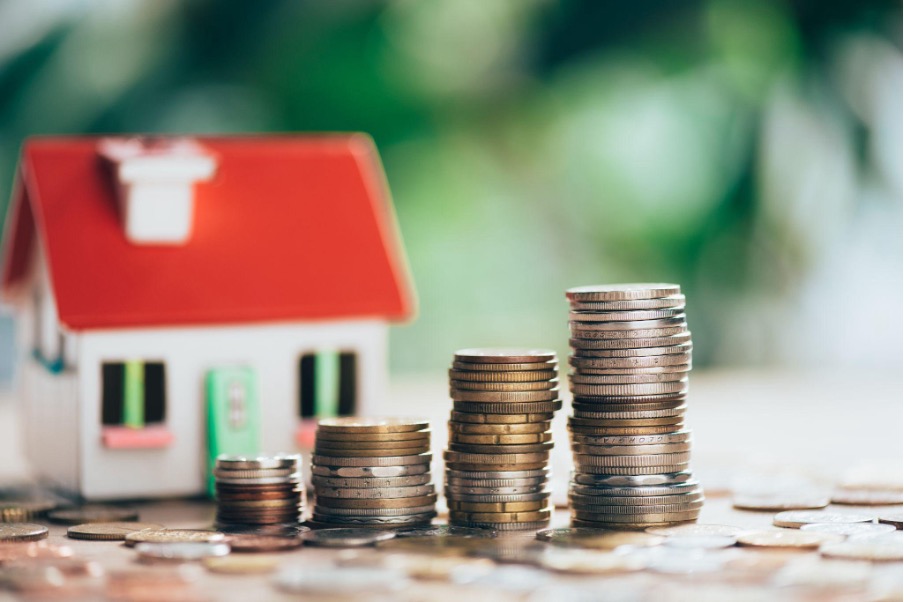
The rising demand for compact housing solutions comes as no surprise given the perfect storm of economic pressures, evolving work patterns and demographic shifts reshaping how homeowners and builders share their view of living spaces. With property prices continuing to increase in many states and remote-working patterns a big part of people’s lives, compact homes represent not just a trend but a thoughtful response to changing societal needs.
Custom homes are popular as people choose to tailor their properties to match their modern lifestyles. While the financial benefits of small dwellings can’t be overstated, smaller homes are increasingly attractive to budget-conscious homeowners and investors alike who realize that they are a cost-effective option for multiple reasons, including:
- Energy efficiency: This is perhaps the most significant economic advantage. Compact homes require far less energy to heat and cool, resulting in utility bills that are often 50-70% lower than those of conventional homes. Modern compact designs typically incorporate advanced insulation, energy-efficient appliances and smart home technology that further reduces consumption.
- Lower maintenance: From roof repairs to flooring replacements, every maintenance task carries a smaller price tag in a compact home. This reduced financial burden makes homeownership more sustainable in the longer term, particularly for retirees on fixed incomes or young professionals managing student debt.
- Additional income stream: This is another financial incentive as small houses are integrated into larger, existing properties. The owners can then rent them out to tenants for a significant revenue stream.
From a property value perspective, adding a compact home to an existing lot often yields an impressive return on investment. Unlike many renovation projects that might not recoup their costs upon resale, compact additions increase property values by more than their construction costs, making them sound financial investments.
Boost communal living and well-being
One of the most appealing aspects of compact homes is how they foster healthy and valuable social ties. Studies show that people’s mental and physical health improve if they avoid living alone. These private living spaces offer the benefits of communal spaces and gardens that help to nurture well-being and security.
But that doesn’t mean there’s a lack of privacy. Despite being close to other buildings, contemporary and well-built miniature houses are masterfully designed to allow for solitude. With strategic landscaping, separate entrances and careful positioning of windows, builders and designers can construct physical boundaries in small homes that respect the independence of every resident.
Compact homes aren’t merely about building smaller but about building smarter. As families adapt to financial realities, work arrangements, and multi-generational needs, these compact and versatile spaces offer practical solutions that balance independence with sociable living. When it comes to understanding how to build and design such modern solutions that emphasize flexibility, efficiency and sustainability, Buildertrend is here to help.

Based on what you just read, we think you'd enjoy...
These suggestions are made by our team to help you find builders and stories that you relate to!
Back to all blogs