
Risinger Build Behind the Business: Why every contractor needs building science (Part 4 of 5)
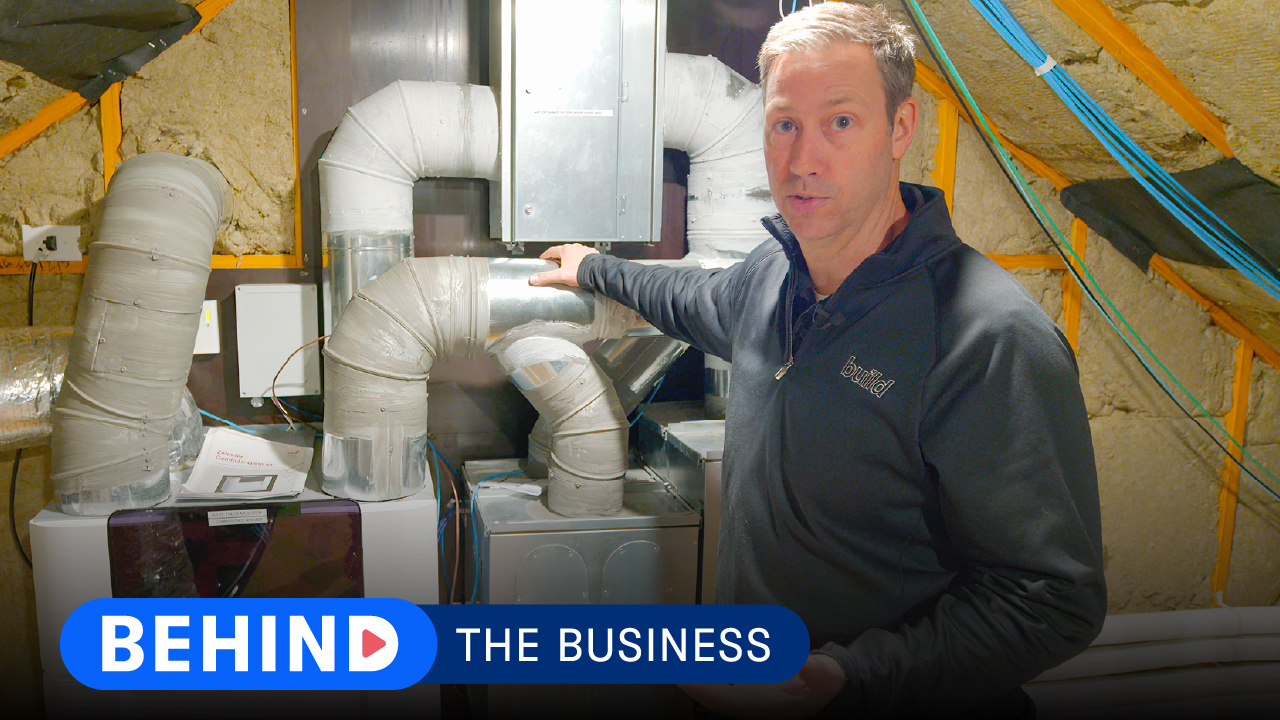
This week, we bring you the fourth in a series highlighting Matt Risinger, CEO and chief builder of Risinger Build and founder of The Build Show Network out of Austin, Texas. In this five-part series, you’ll learn about the future of residential construction, how and why to upgrade spreadsheets, the importance of building science, the benefits of change order software and how Matt uses media to teach and showcase his craft.
Matt founded Risinger Build around the concept to “build differently.” He did this by focusing on two things – fine craftsmanship and building science.
“Building science, if you really boil it down, is really just studying houses to understand why they fail so that you can avoid those failures,” Matt said.
Matt and his team are recognized as some of the top building science experts in the industry. They’ve earned this praise by maintaining consistent attention to detail and pairing the smartest products and methods with their building environment.
In this video, Matt and Tim Hill, partner and principal at Risinger Build, talk about everything involved with building science, including the importance of paying attention to detail, what goes into building quality homes and how to avoid failure.
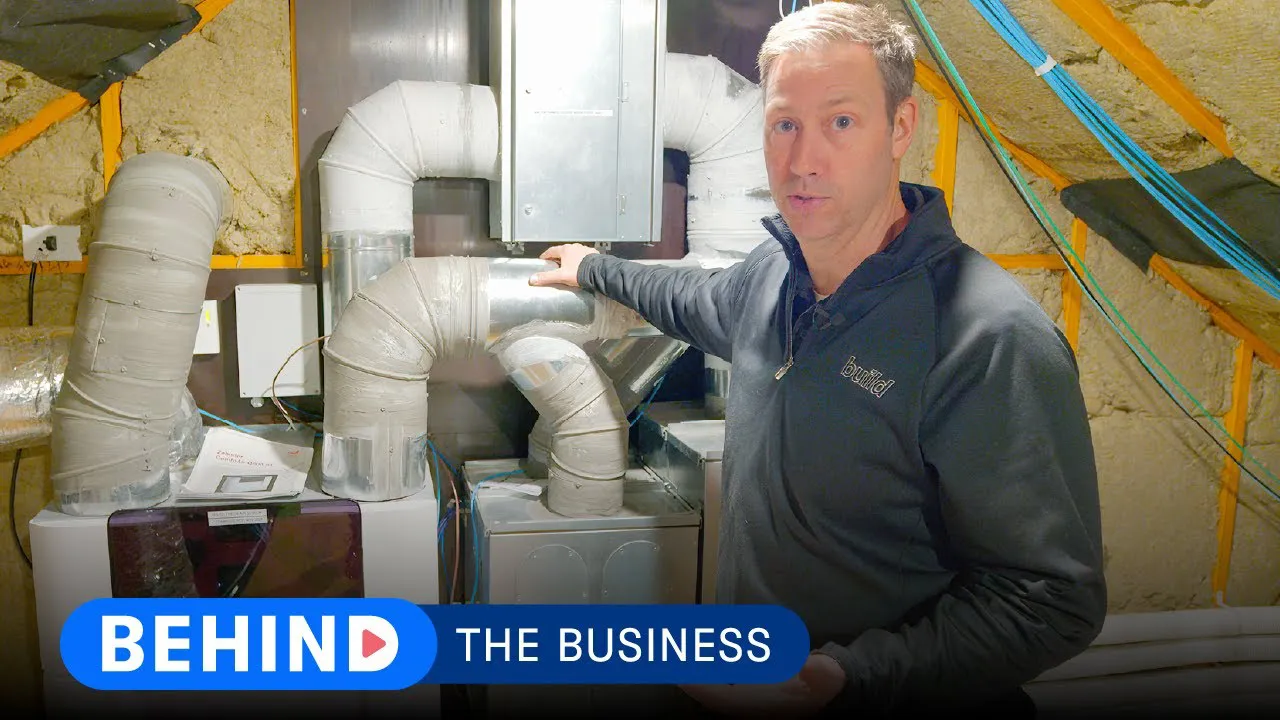
What is building science and why is it important?
Building science is the practice of maximizing energy efficiency, air quality, sustainability and durability with smart product selection and successful building practices.
“A lot of people get caught up in the word ‘science,’” Tim said. “I wish everybody would understand that it’s not understanding thermodynamics or fluid mechanics. It’s simply just being an intuitive, thoughtful builder.”
It’s important to consider how your building materials will interact well with the surrounding environment. When heat and moisture are in the picture, it’s essential to choose products carefully.
If building science isn’t taken into account, it doesn’t mean the house is going to fall over or burn down. Problems take longer to develop, like moisture trapped in a wall that leads to mold or bad ventilation that results in poor air quality.
“We can talk about resiliency and durability and health and indoor air quality and all those things, but it basically boils down to a fundamental desire to build a good house for my clients,” Matt said.
How to incorporate building science into your projects
Knowing the properties of your materials – brick, insulation, drywall, etc. – and considering how they hold up to heat and moisture are evidence of being a thoughtful builder.
It’s important to be cautious when selecting products that haven’t been proven. Matt learned a hard-earned lesson on the importance of being a risk-averse builder.
“We’re always evaluating how much risk is involved in whatever products we’re considering,” Matt said. “Any product on the outside of your house that’s gonna handle the control layers – water, air, vapor and thermal – we really need to use the best products and the best practices.”
Considering heat and moisture in all decisions when building will safeguard you from a lot of trouble with your material durability, energy efficiency and air quality. When planning a build, Matt involves the architect really early to be sure that the details are well-thought-out throughout the design process.
Why is building science the future of home building?
Both energy efficiency and sustainability are gaining popularity with clients. With our shifting climates, it’s becoming more important to build homes that can withstand the elements.
Building science is at the core of efficient and sustainable homes. By incorporating building science techniques into your construction practices, you’ll create the high-performance homes that clients want.
“I think in the future, we’ll end up probably having 90% plus of our projects be a really high standard of building science with a heavy emphasis on resiliency,” Matt said. “That’s definitely something that we’re passionate about as a team.”
Well-run construction management is essential when implementing building science. Some areas to pay attention to are job order, material selection and getting all the major players communicating on one platform.
Buildertrend helps you build differently
“If you’re not currently using Buildertrend, reach out to those guys,” Matt said. “Get a demo and consider it. It’s made a big difference in my business since I started using it five years ago.”
Take Matt’s word for it and try out Buildertrend for a more thoughtful building practice. Risinger Build is a proven success story of pairing a construction management software with building science expertise to deliver excellent results.
If you’re not already using Buildertrend, schedule a demo to get started today.
Check back for the fifth installment of our Behind the Business series. Learn from Matt about how content marketing will help grow your construction company. Did you read our previous installment about mastering the not-always-so-easy change order process?
Based on what you just read, we think you'd enjoy...
These suggestions are made by our team to help you find builders and stories that you relate to!
Back to all blogs